

In the waters off the northeast coast of Spain, at a depth of about 20 feet, a total of 43 helmets appeared in 1990, revealing a fascinating story about the Middle Ages. A recent study, which included radiocarbon dating, determined that these helmets were made between the late 14th and early 15th centuries.
For a long time, they were thought to belong to the late Roman period, but new data completely changed that idea. Experts highlighted that the designs combined features reminiscent of late Roman models with elements characteristic of the medieval tradition inspired by the classical.
The Challenge of Dating the Artifacts
“At first, it was difficult to place them in a specific time period because they exhibited characteristics that evoked both late Roman models and possible medieval pieces inspired by classical traditions,” explained Manuel Frallicciardi from the University of Alicante.
This finding sheds light on a time of great political upheaval in the Iberian Peninsula. Between the late 14th and early 15th centuries, conflicts and turmoil increased the demand for military equipment. The helmets were likely produced in smaller workshops intended for export.
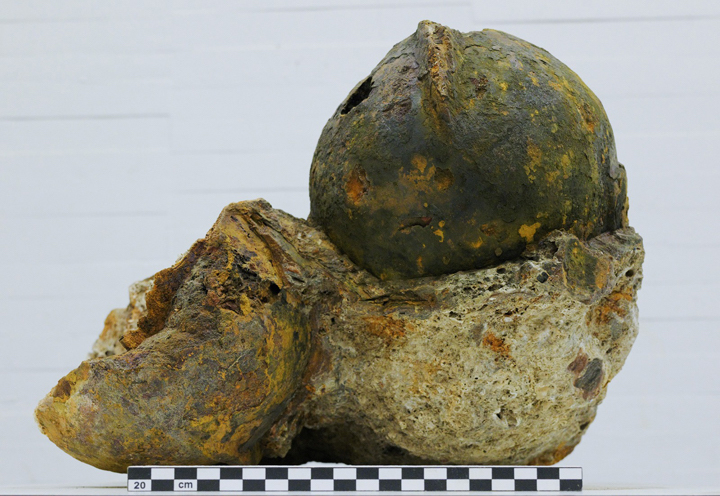
Researchers believe these artifacts represent direct evidence of large-scale arms trading during that time. “We are faced with concrete evidence of significant arms trafficking,” noted Raimon Gaells, also from the University of Alicante.
Implications for Medieval Military History
The discovery allows for a better understanding of how weapon production was organized in the late Middle Ages. Far from the major centers, small workshops responded to the need to equip armies and mercenaries in a context of constant instability.