The Italian government also highlights several key advantages of nuclear energy over other energy models. One of the main advantages is its ability to generate electricity consistently 24 hours a day without relying on weather conditions, unlike solar or wind energy. Additionally, nuclear plants emit virtually no carbon dioxide during electricity generation, making them an important tool for reducing pollutant emissions.
Meloni also argues that greater energy independence will better protect Italian households and businesses against future international crises and abrupt increases in gas prices. During the European energy crisis of 2022 and 2023, Italy experienced significant increases in electricity rates that particularly affected industries and small businesses.
The nuclear project promoted by Rome also aims to strengthen Italian industrial competitiveness and attract new technological investments. Companies from the United States, France, and South Korea are already in talks with the government to participate in future nuclear developments within the country.
For Meloni's government, nuclear energy is no longer seen as a problem of the past, but as a modern and strategic tool to ensure economic growth, energy stability, and greater national autonomy in the face of global crises.
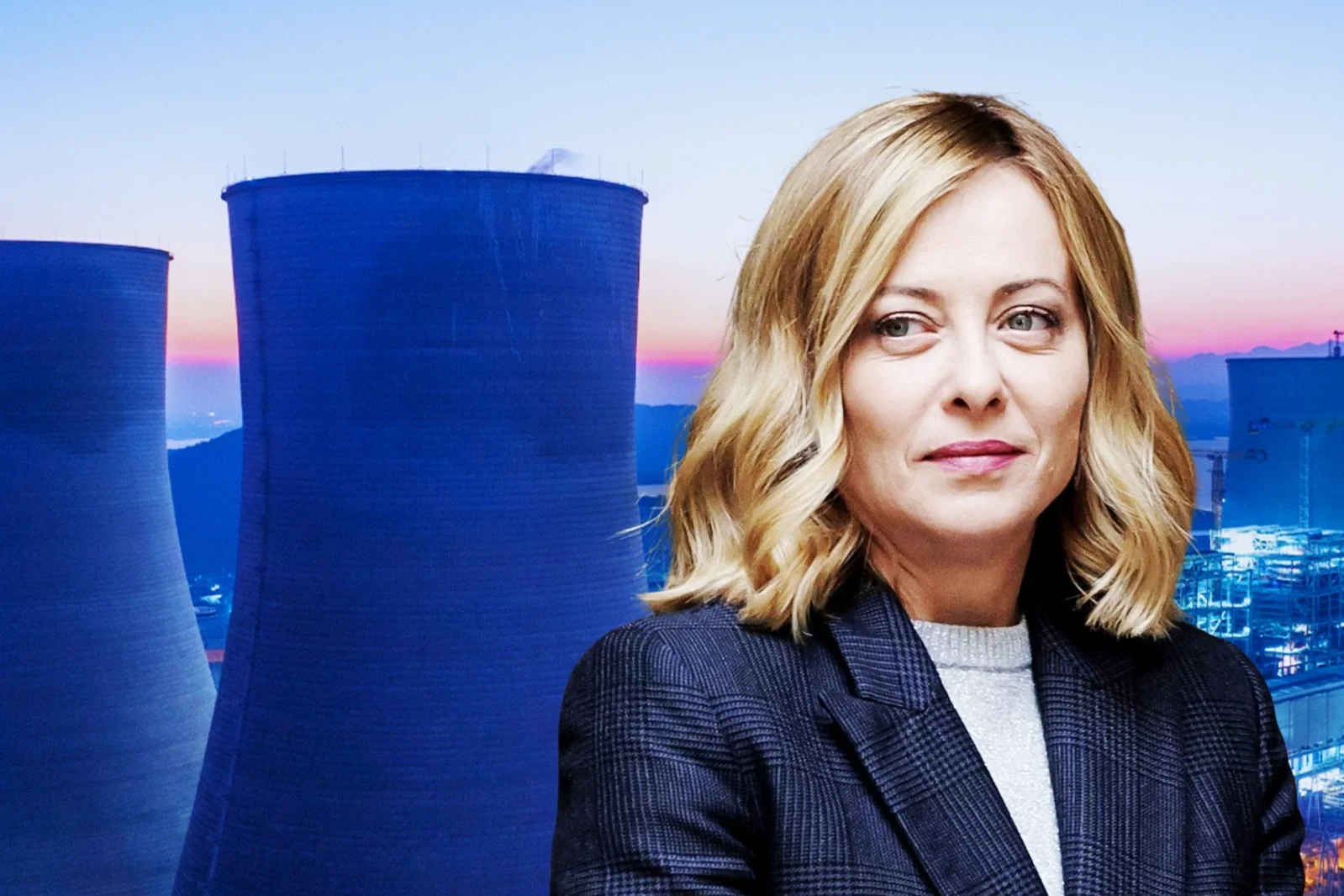
Italian Prime Minister Giorgia Meloni is moving forward with an ambitious plan to bring nuclear energy back to Italy after nearly four decades without active reactors, in a decision that the government considers essential to ensure energy sovereignty, reduce costs, and strengthen the Italian economy in the face of international crises.
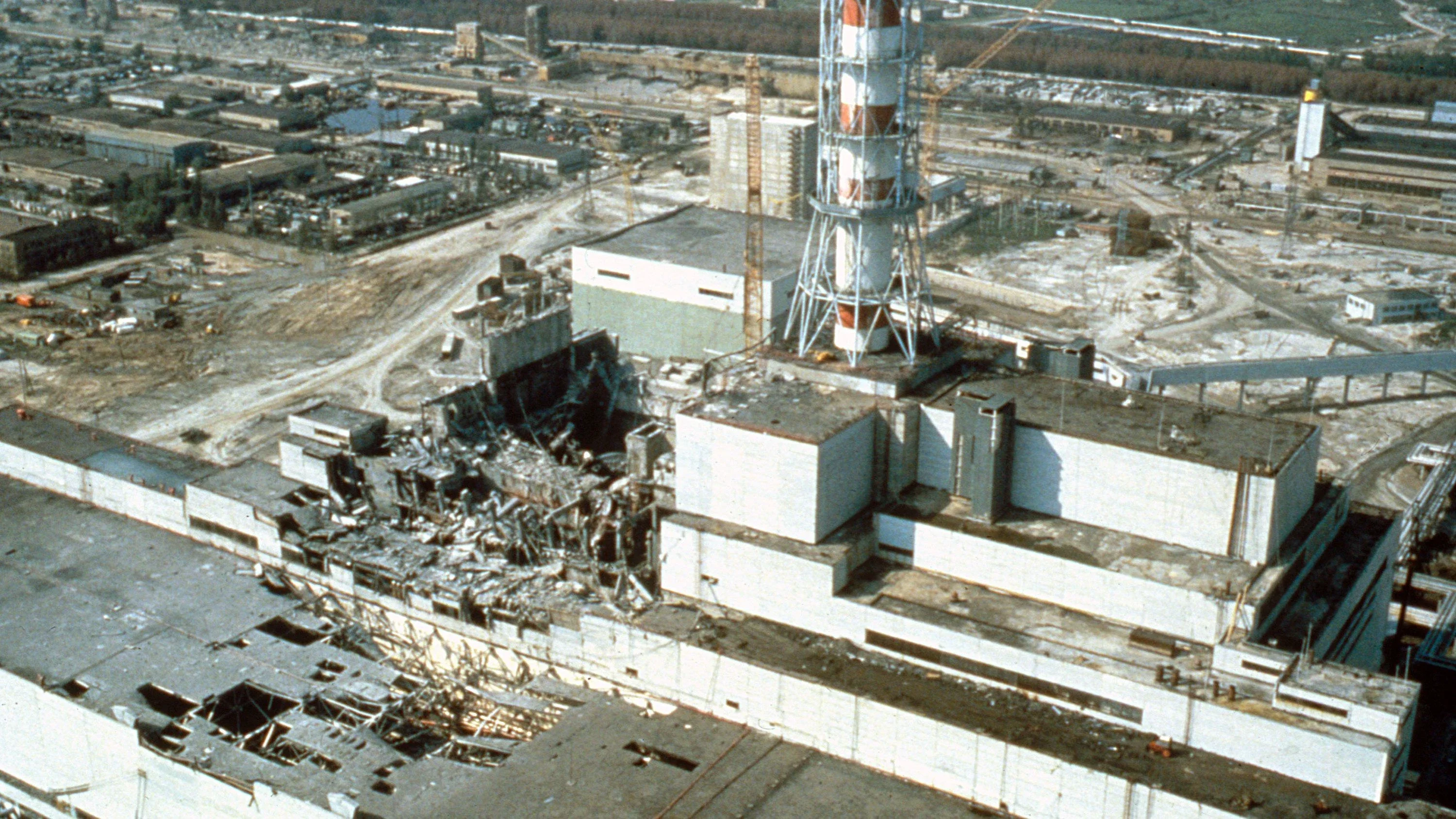
Italy officially abandoned nuclear energy after the 1987 referendum held following the Chernobyl disaster. However, in recent years, the country has become increasingly exposed to dependence on imported gas and international energy volatility, especially after the war between Russia and Ukraine. Currently, nearly half of Italy's electricity still depends on natural gas, one of the highest rates in Europe.
Reactor 4 of Chernobyl after the explosion
In light of this scenario, Meloni argues that the return of nuclear energy represents a long-term strategic solution to ensure energy stability and reduce Italy's economic vulnerability. The government plans to approve a new legal framework by the end of the year that will enable the development of modern nuclear reactors and small modular plants.
The Italian focus is particularly on the so-called Small Modular Reactors (SMR), which are much smaller, safer, and more efficient than the old nuclear plants built during the 20th century. These new technologies promise lower operational risks, faster construction times, and a significant reduction in radioactive waste.