
Vicuña's CEO, Ron Hochstein, described the project as "a transformational opportunity for Argentina" and added: "As one of the most relevant undeveloped copper districts in the world, it has the potential to drive long-term economic growth through foreign investment, employment, and higher export revenues".
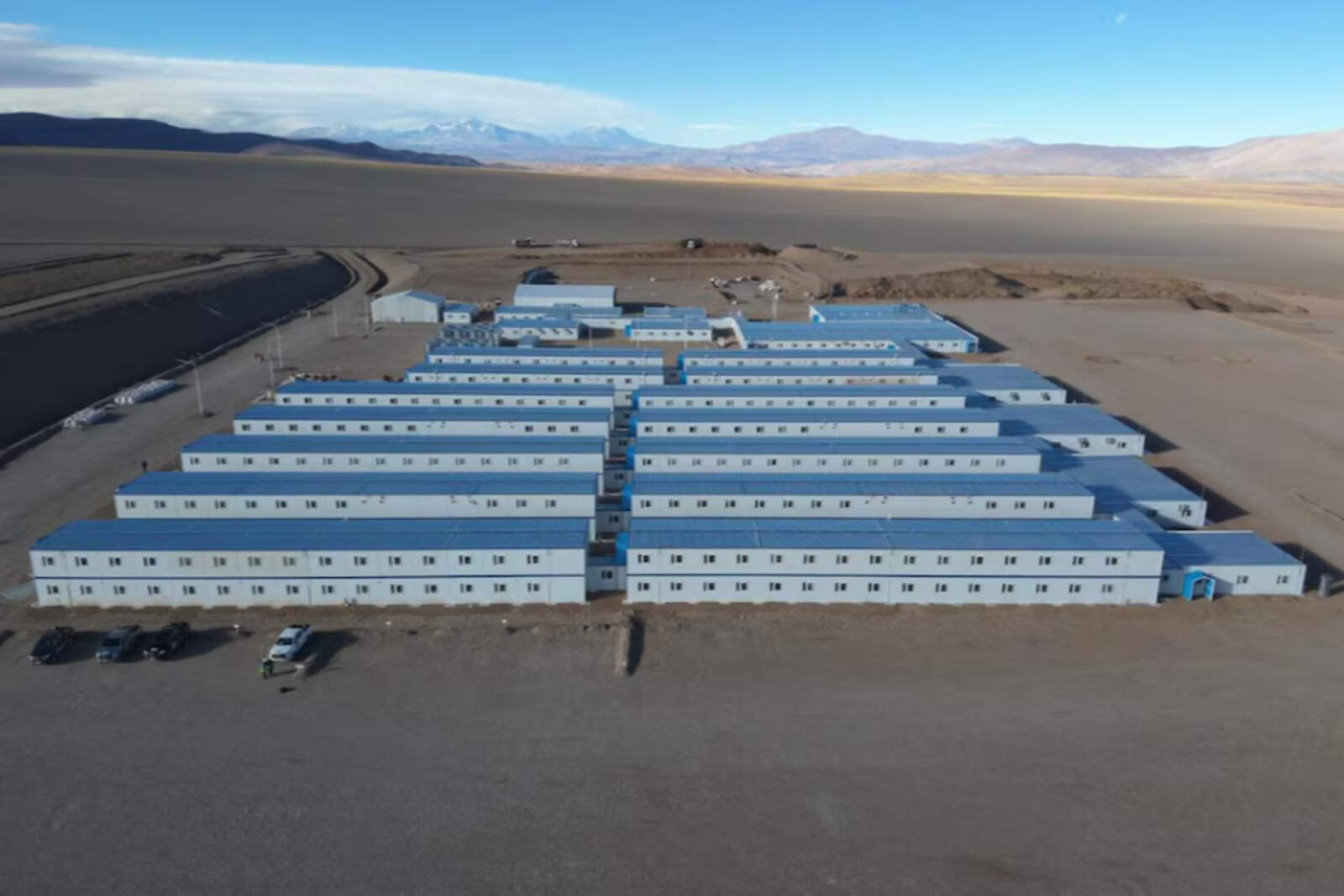
The PEA presented also constitutes a key milestone for making a sanction decision toward the end of the year. If it is carried out, the planned capex of USD 7 billion for Stage 1 will be deployed from 2027 until the first production in 2030. During 2026, the project will move forward with detailed engineering, equipment procurement, earthworks, improvements to the access road, and expansion of the camp.
In a context in which Argentina has not produced copper since the closure of the Alumbrera mine in 2018, this development acquires strategic relevance. The country is seeking to reposition itself on the global map just as copper demand is accelerating due to electrification and the energy transition, and at a time when the economy urgently needs genuine foreign currency.
In this context, Vicuña requested in December to join the Incentive Regime for Large Investments (RIGI), under the category PEELP (Long-Term Strategic Export Project), gaining access to tax benefits and legal stability, one of the key reforms of the current administration.
The project will be developed in three stages. The first will focus on Josemaría, with an open-pit mine and a concentrator plant designed for future expansions. The second will move forward with the oxides of Filo del Sol, expanding productive capacity. The third will include the expansion of the concentrator plant and the development of the sulfides of Filo del Sol, raising production to 293,000 tons per day, with strategically outsourced infrastructure, such as a desalination plant, concentrate transportation systems, and a treatment plant.