Days ago I was cordially invited to a talk by the Libertarian Party in Montevideo, where representatives from groups with similar ideas attended, such as the "Nationalist Force" sector of the National Party, Dr. Roxana Corbran, and Maximiliano Camou, candidate for councilor, for the Maldonado municipality, from that line.
One of the ideas presented was about the tourism sector, specifically concerning the concern over the large number of permits or licenses related to services for attending to visitors.
This makes Punta del Este one of the most expensive vacation destinations, partly due to the excess of these regulations, which are not exclusive to Maldonado, as they also abound in other municipalities.
Nothing to Boast About
More serious still, for being located in a country with economic limitations like ours which, although it has the highest GDP per capita in the region, ranks around 50th out of 195 countries worldwide, according to World Bank data.
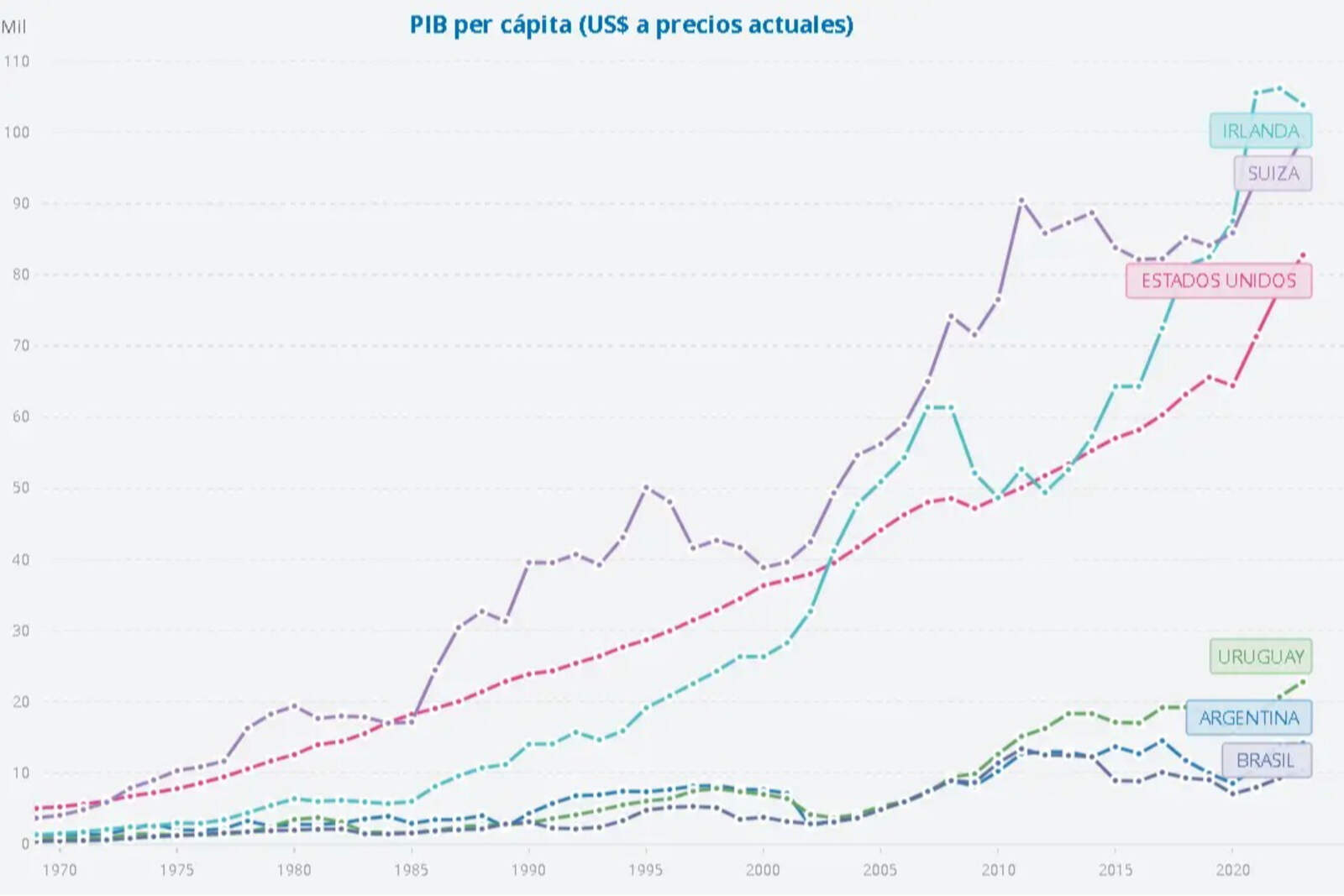
The graph compares us in terms of GDP per capita, in current dollars, with some of the freest countries according to the Heritage Foundation's Economic Freedom Index for 2024, such as Ireland (2nd) and Switzerland (3rd) or USA (26th) and others less free like Argentina (124th) and Brazil (117th), while Uruguay is in 29th place.
In a previous report, "Uruguay is mostly free since 2022," I explained how we rose to 27th place in that ranking that year.
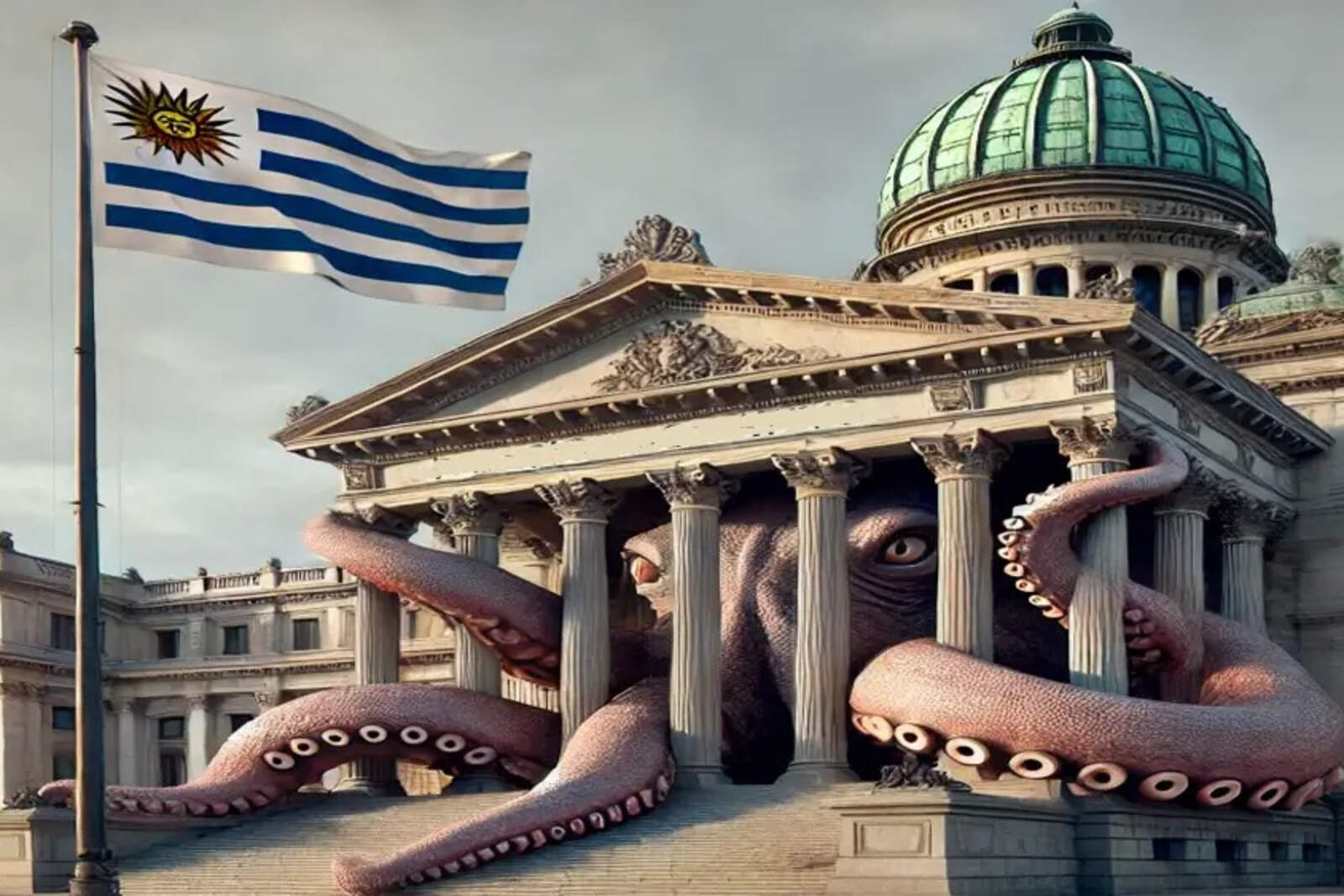
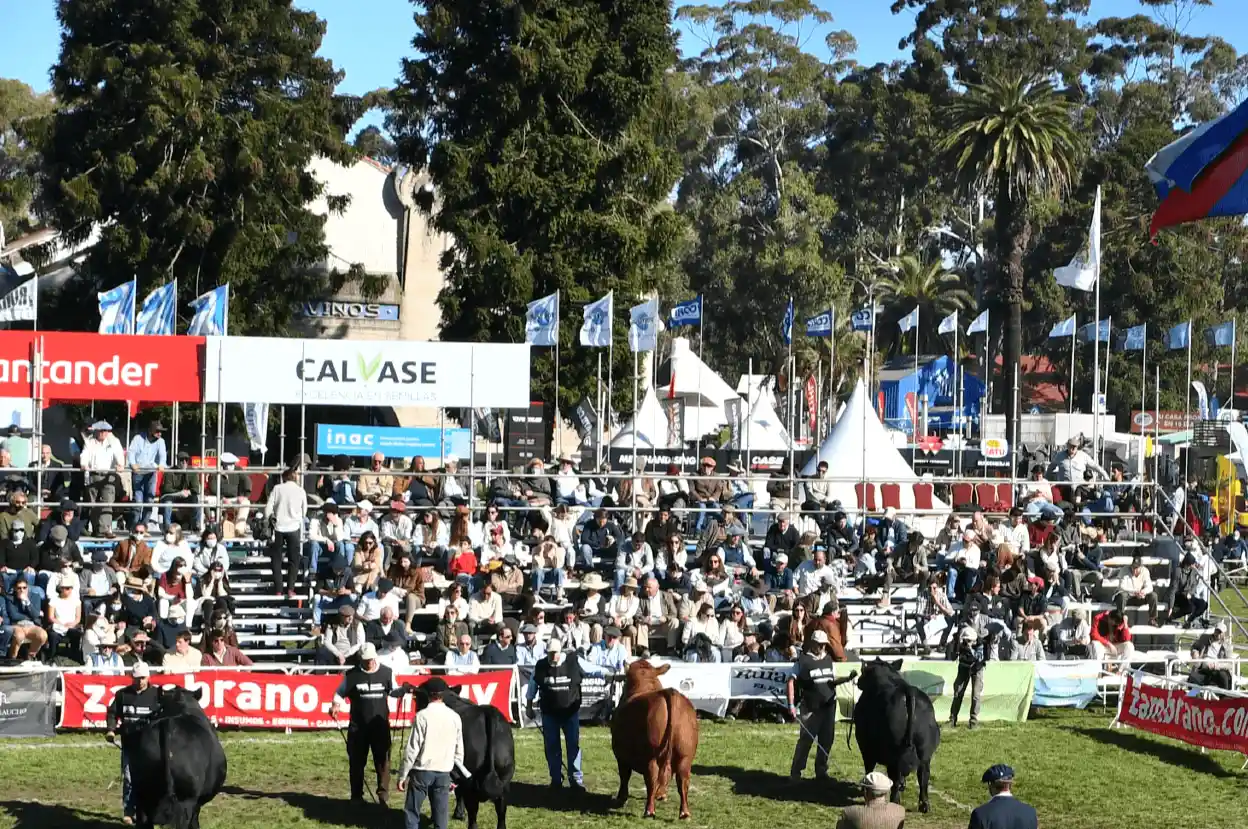
Imagen ilustrativa
GDP per Capita Comparison
It is common that, on the rare occasions our press consults the authorities, they excuse themselves without hesitation, alluding to their favorite mantra: "businessmen take advantage and want to make the year in the season..."
However, according to economic dynamics, prices should fall if there wasn't a state of affairs like the one economist and historian Ramón Díaz called in his book Economic History of Uruguay, referring to the "Welfare State" period, initiated by Batlle in the early 20th century, "The Tied Country."
This marked the beginning of our decline and economic stagnation.
Without regulations prohibiting free competition, high prices generate an excess of benefits in the sector, which act as an attractive signal for resources to be directed toward the segment with higher profits, increasing supply.
PBI percápita: Argentina, Uruguay, Brasil, EEUU, Irlanda, Suiza. Fuente: Banco Mundial. As indicated in the original sense of Say's Law ("supply creates its own demand"); supply is rather caused by greater demand, because at its core it is demand.
Thus, by increasing the number of companies offering more services, it will also regulate prices downward.
Our Market and the Oppressive Claw of the State
Here the politician intervenes in the economy by restricting supply, causing its inelasticity or rigidity, and preventing the natural regulation that Adam Smith called the "invisible hand of the market."
The oppressive claw of the State appears, generating typical system failures.
Because our dear politicians are "excited" to regulate everything they can think of with their tireless paternalistic intervention, always ready to "protect us" from "savage capitalism."
A capitalism, more or less savage, like that presented by those freer and therefore more prosperous economies, with less income inequality and less extreme poverty than in our case.
Their Poor Are Not Like Ours
A critique of representative democracy. Spanish economist and teacher Miguel Anxo Bastos often says, "The State doesn't exist"; it has no real existence, what exists is a group of politicians and hierarchs who at a given moment subject us to their whims.
Their whims because, as it can't be otherwise in modern democracies, our "worthy" representatives always vote against us, granting themselves net privileges and leaving us with net burdens.
Paraphrasing President Milei, if three foxes and a sheep democratically choose dinner, we already know what the "popular vote" will decide for dinner.
Perhaps we should debate the scope our representative democracy should have and whether a mandate-type democracy would be better.
Or why net beneficiaries of our taxes can vote, choosing our representatives —more wolves and fewer sheep—, while we, the "sheep" of the private sector who produce wealth, are the least represented, while others eagerly seek redistribution.
The eternal problem of clientelism.
The Elephant State
The other topic mentioned by Maximiliano was the size of our State, which the population is forced to endure.
Armed with the latest INE statistics, detailing a number of public employees of 310 thousand, not counting the army of outsourced workers or the privatized activities of the public sector, all very well remunerated.
Only in direct state employment, the 310 thousand are distributed among central and departmental administrations, ministries, direct hires in the monopolistic entities of so-called public services, public banking, and state management systems of health, education, etc.
The following table summarizes the size of the state in terms of the number of officials, and in relation to the employed population compared with our neighbors and selected wealthy countries, in the last two columns the number of central government legislators and the same per one hundred thousand inhabitants.
Comparative table of state employment and legislative burden.
Source: Own elaboration with data from the World Bank, IMF, INE (Uruguay), INDEC (Argentina), IBGE (Brazil), BLS (USA), CSO (Ireland), and SFSO (Switzerland). . In Uruguay, there are 130 legislators in the central government (national Parliament), composed of 99 deputies, 30 senators, and the vice president who presides over the Senate.
Besides the high proportion of national legislative positions (3.76 per 100 thousand inhabitants), the total legislative staff in Montevideo, including legislators, advisors, and administrative staff, amounts to about 1,100 officials.
Argentina began at the start of the current government, in December 2023, a drastic reduction of the state "caste," but the "chainsaw" has not yet reached the provinces, being a federal country.
The northern provinces of Argentina are mostly over 60%, and the government of Formosa has 70% of the formal population employed in some of its dependencies.
Ireland with 4.17 legislators per one hundred thousand inhabitants may seem high, but it doesn't have significant subnational legislatures (like states or provinces with their own parliaments, unlike federal countries like Brazil, USA, or Switzerland).
Legislative representation is concentrated at the national level, in Dublin.
The Necessary Chainsaw
Henry Hazlitt, in his book Economics in One Lesson, argues that public spending displaces private spending, acting similarly to common criminals who forcibly take our money: what the State spends, we can't spend.
Moreover, spending by others on others, as indicated by the 1976 Nobel Prize in Economics, Milton Friedman, is the worst way to spend, that is, the worst way to allocate society's scarce resources.
An example that dazzles the free world is that of the current Argentine government, which reduced its number of ministries by almost half (from 19 to 10), creating in July 2024 the one of greatest pride for President Milei, the Ministry of Deregulation and State Transformation.
Thus, in the first month of government, a primary fiscal surplus was achieved, significantly reducing the exorbitant spending, with a fiscal deficit inherited from around 5% of GDP, in the national treasury.
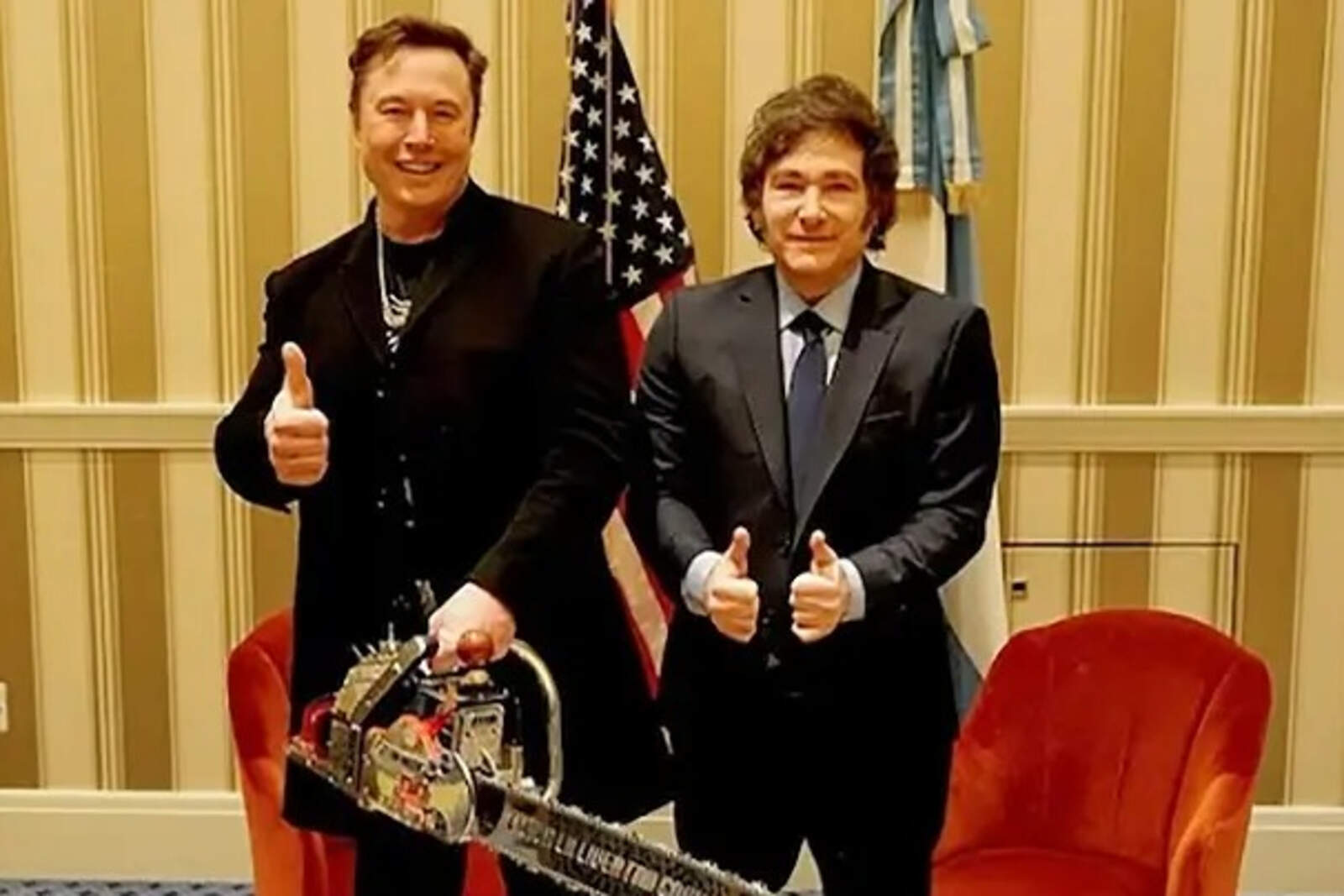
This achievement of the first libertarian president attracted so much attention that the new government of the world's largest economy has replicated it, creating in that northern country, under the direction of the tireless Elon Musk, the Department of Government Efficiency (D.O.G.E., for its acronym in English).
All this to be freer and, therefore, enjoy a better quality of life.