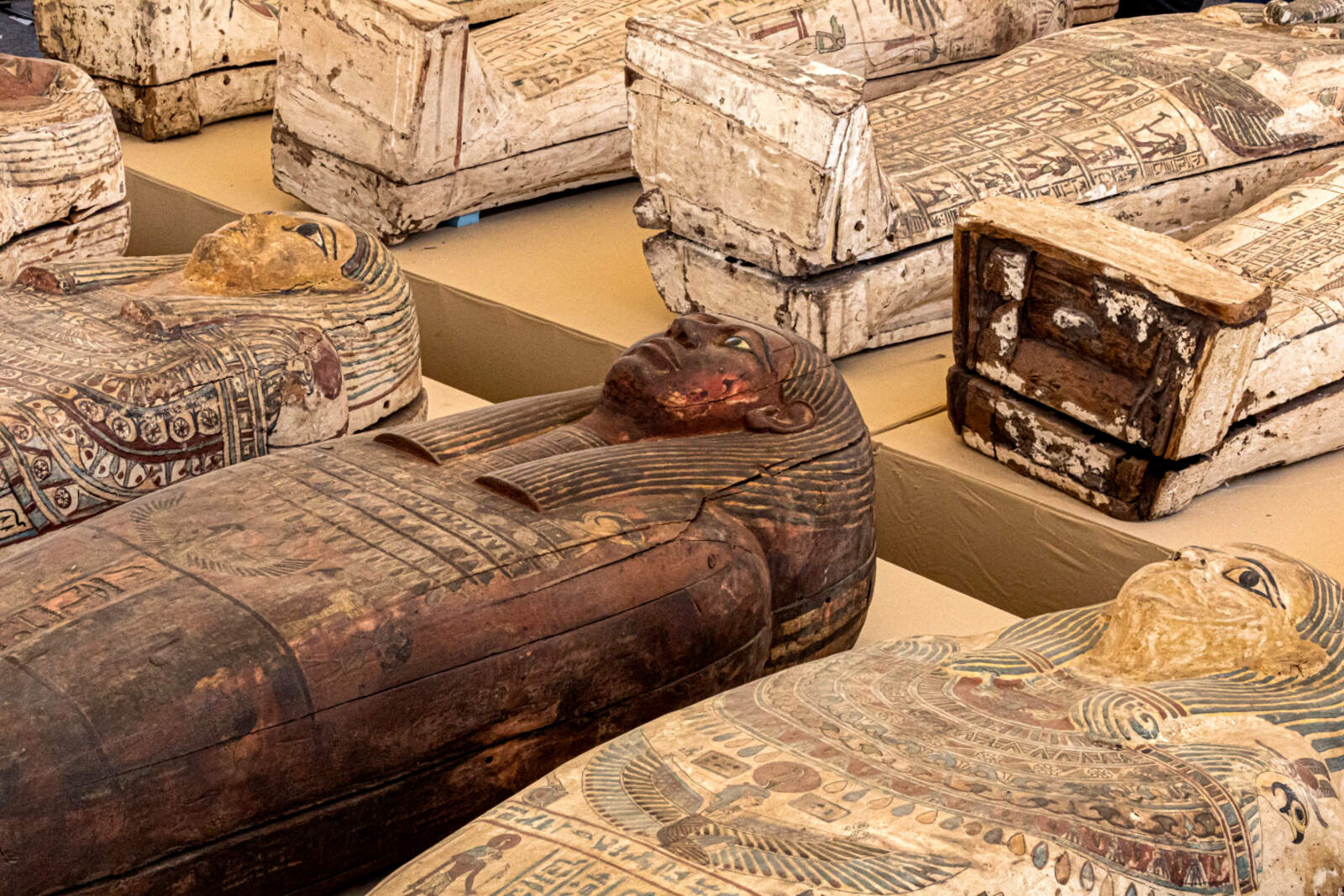
The discovery of a royal tomb in Abydos continues to provide clues about a forgotten period of ancient Egypt
Nuevo
Agregar La Derecha Diario en
Compartir:
An archaeological discovery made almost a year ago in Egypt continues to have an impact in the scientific community. It is the discovery of a royal tomb in Abydos, attributed to a pharaoh whose identity is still a mystery.
The discovery was announced by the Egyptian Ministry of Antiquities, which highlighted its historical value beyond the lack of a specific name. For experts, it is a key piece for understanding a practically "lost" dynasty.
Un equipo de arqueólogos en Egipto descubrió una huella de mano completa
A royal tomb that reopens questions about ancient Egypt
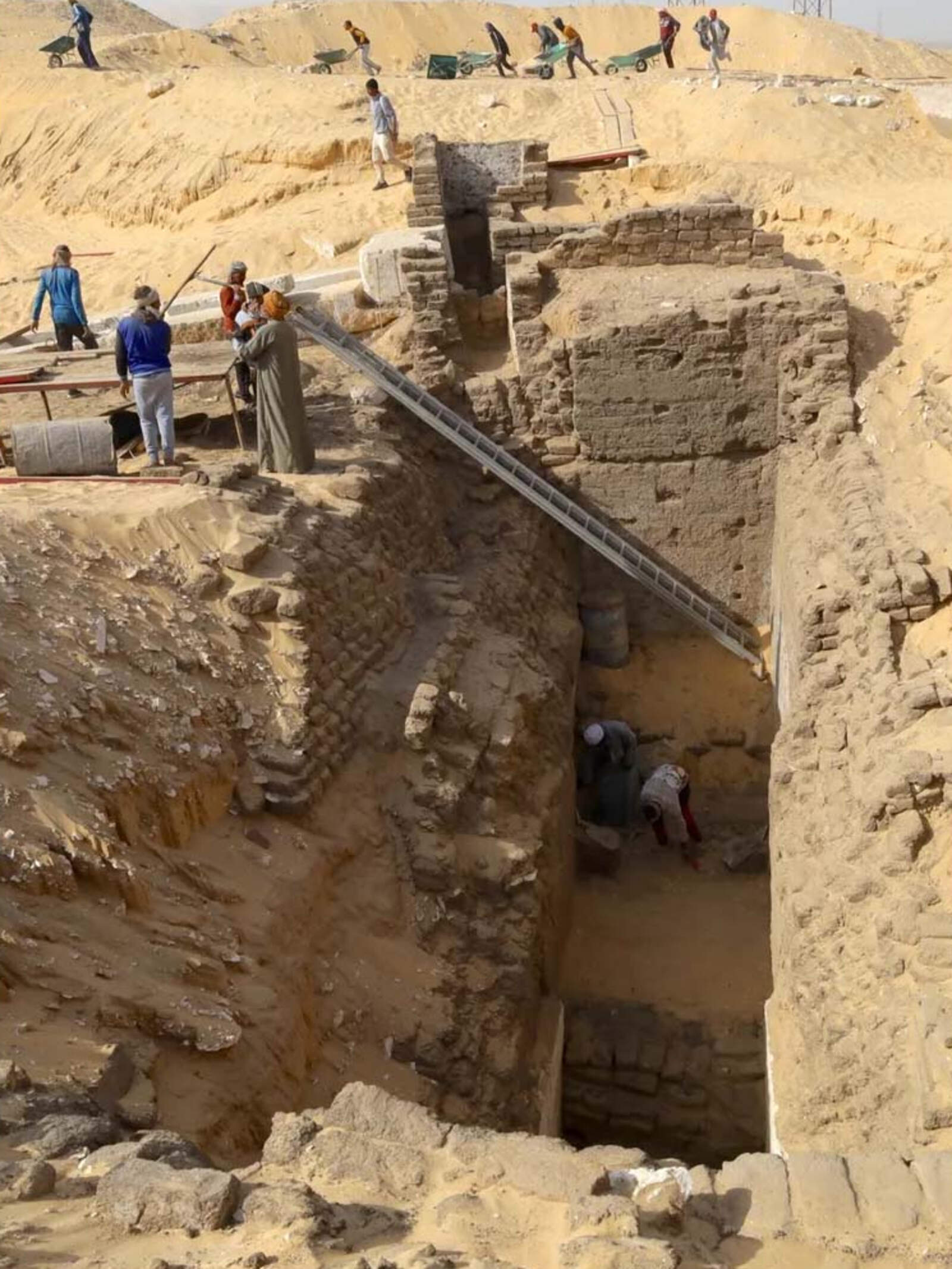
The excavation was carried out at the end of 2024 and the beginning of 2025 near the Abydos site, one of the oldest cities in the country. The tomb is about 3,600 years old and belongs to the Second Intermediate Period, a stage marked by conflicts and political fragmentation.
The work was led by a U.S.-Egyptian team directed by Egyptologist Joe Wegner from the University of Pennsylvania. According to the specialist, at that time Egypt was divided into rival kingdoms and was going through deep instability.
Abydos, key to an almost forgotten dynasty
Abydos was an essential religious center and a sacred space linked to the cult of Osiris. A royal necropolis operated there from the 19th century B.C., which over time was buried under the desert sand.
El trabajo estuvo a cargo de un equipo estadounidense-egipcio dirigido por el egiptólogo Joe Wegner
Since the mid-1990s, Wegner's team has resumed excavations and has managed to identify several pharaohs, including Senebkay, discovered in 2014. All of them would belong to the same local dynasty that ruled between 1650 and 1550 B.C.
What was found in the discovered tomb
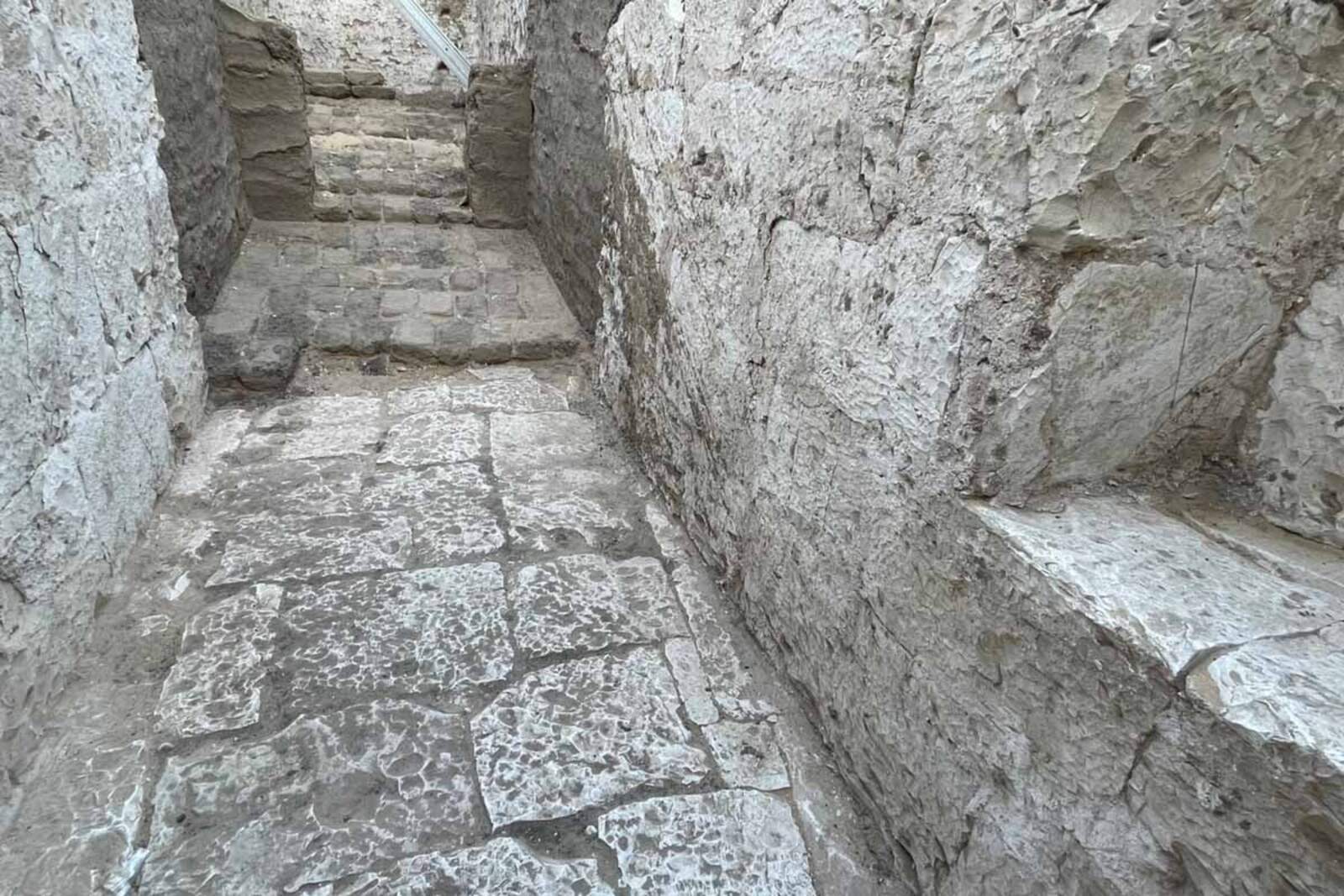
The tomb is buried about six meters (19.7 feet) deep and has limestone walls and a vaulted roof made of mud bricks. No human remains or funerary goods were found, since it was looted in antiquity.
Qué se encontró en la tumba descubierta
However, its size, architecture and hieroglyphs dedicated to Isis and Nephthys confirmed that it was the burial of a pharaoh. The king's name could not be read, which keeps the enigma open.
Why this discovery is still important
Specialists such as Anna-Latifa Mourad-Cizek from the University of Chicago have emphasized that the discovery provides valuable information about funerary practices and power structures in a poorly documented period.
The Second Intermediate Period was the prelude to the New Kingdom of Egypt, one of the most prosperous stages in its history. Understanding these turbulent years makes it possible to explain how that later unification took shape.
33 tumbas en el sur de Egipto
Archaeologists believe that there are still more tombs to be discovered in Abydos, possibly belonging to other pharaohs of this forgotten dynasty. Each excavation adds a new piece to a key period of Egyptian civilization.