The Ipuwer Papyrus, from 3,000 years ago, describes chaos and disasters reminiscent of the plagues of Exodus
Nuevo
Agregar La Derecha Diario en
Compartir:
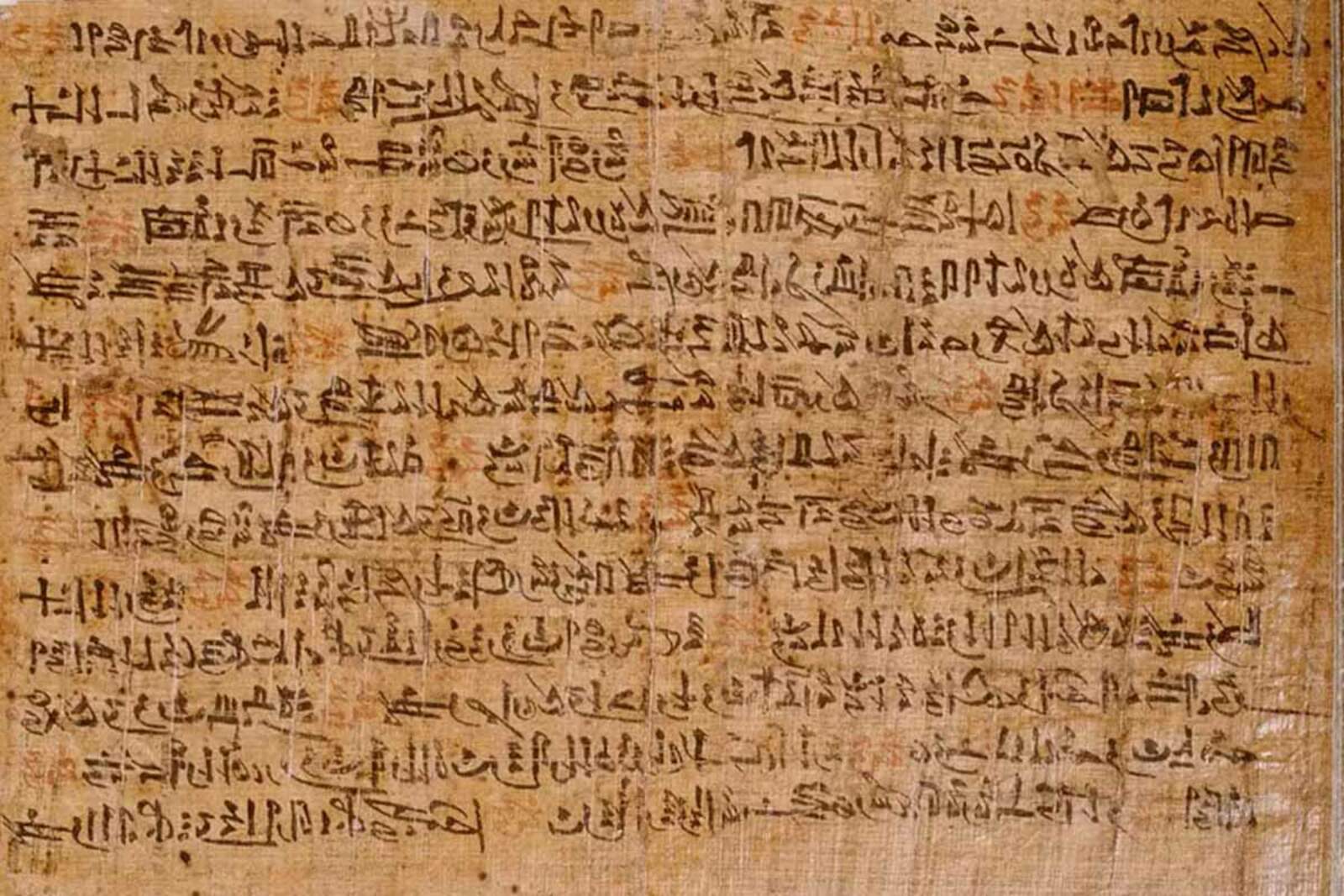
An Egyptian manuscript over 3,000 years old has once again sparked debate among historians and believers due to its similarities with the Biblical plagues of Exodus. This is the Ipuwer Papyrus, a text that describes a series of disasters and a climate of chaos in ancient Egypt.
The document, preserved at the National Museum of Antiquities in Leiden (Netherlands), was written in hieratic script. Although it belongs to a copy from the 19th Dynasty, specialists estimate that its original composition dates back to the 12th Dynasty.
El Papiro de Ipuwer
An ancient account describing chaos and destruction
In the manuscript, a character named Ipuwer laments that "the world is turned upside down." Throughout the text, mass deaths, famine, invasions, foreign rule, and social disorder are described. Phrases such as "the river is blood," "groaning throughout the land," and "fallen trees" evoke images of devastation.
These expressions have sparked the interest of researchers who see parallels with the plagues of Exodus. Examples include water turned into blood and the destruction of the natural environment.
Similarities and differences with the biblical account
Those who support a connection between the Ipuwer Papyrus and the Book of Exodus argue that both texts share themes such as environmental chaos, famine, and social collapse. However, specialists clarify that this is a complex comparison open to interpretation.
Similitudes y diferencias con el relato bíblico
The text has a literary and poetic character, not a historical one.
It is incomplete and doesn't mention the names of pharaohs or precise dates.
Some passages differ from Exodus, such as the entry of foreigners into Egypt instead of an exodus.
A key work for understanding Egyptian thought
Beyond the religious debate, the Ipuwer Papyrus is considered an essential literary piece. Researchers agree that it reflects how Egyptians understood crises and social disorder.
The text raises a question that remains unanswered: Does it recount real events that later inspired biblical accounts, or is it simply a poetic metaphor for difficult times?