NASA warns that satellite saturation could contaminate up to 96% of space images by 2030
Nuevo
Agregar La Derecha Diario en
Compartir:
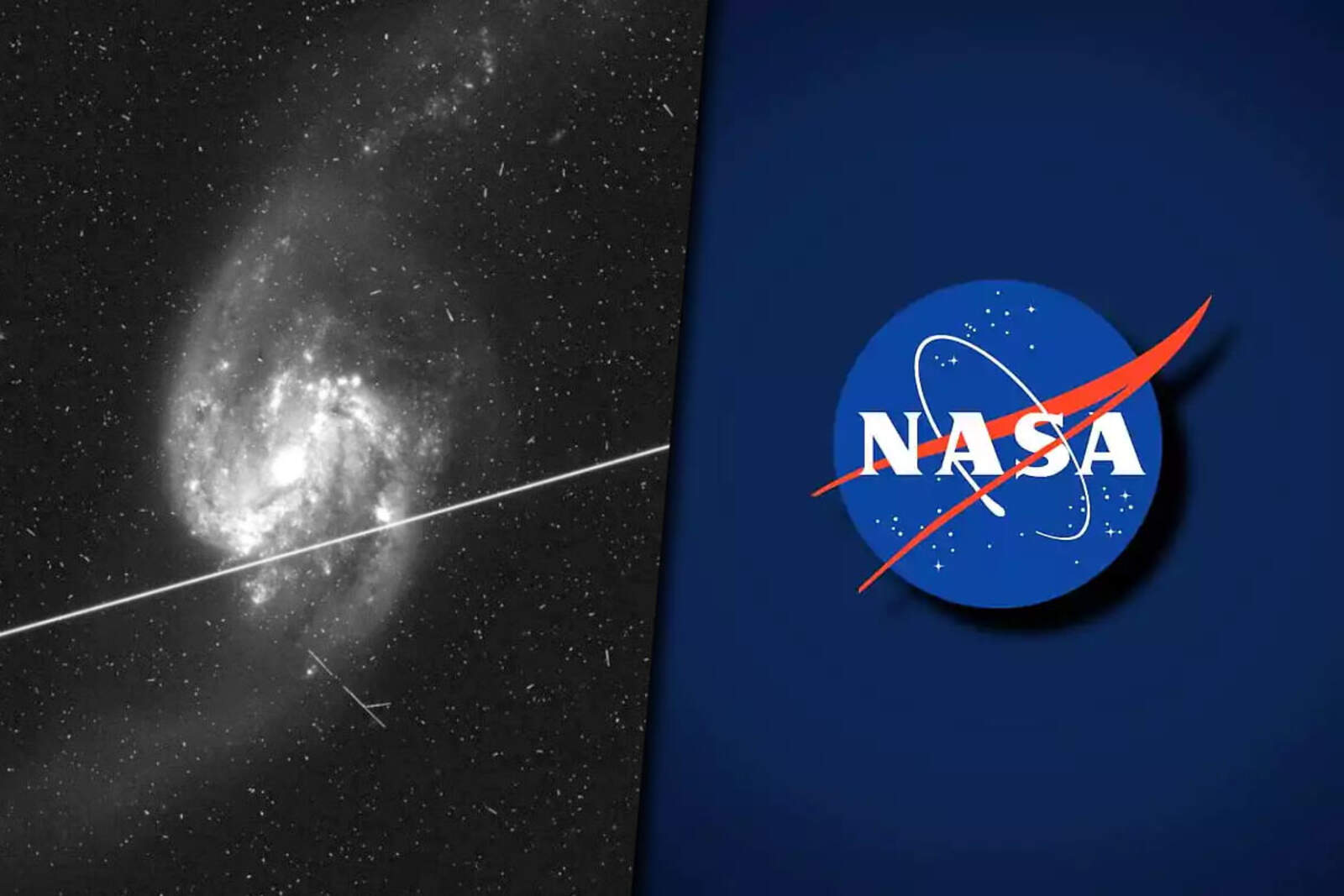
NASA has raised an alarm that is already resonating throughout the scientific community. A study published in Nature warns that light pollution caused by satellites could massively affect images captured by space telescopes.
Concern has grown in recent years due to the rapid increase in these devices. According to the report, the situation could become so complicated that it may compromise the quality of nearly all observations by 2030.
La contaminación lumínica generada por los satélites podría afectar de manera masiva las imágenes
A sky saturated with satellites
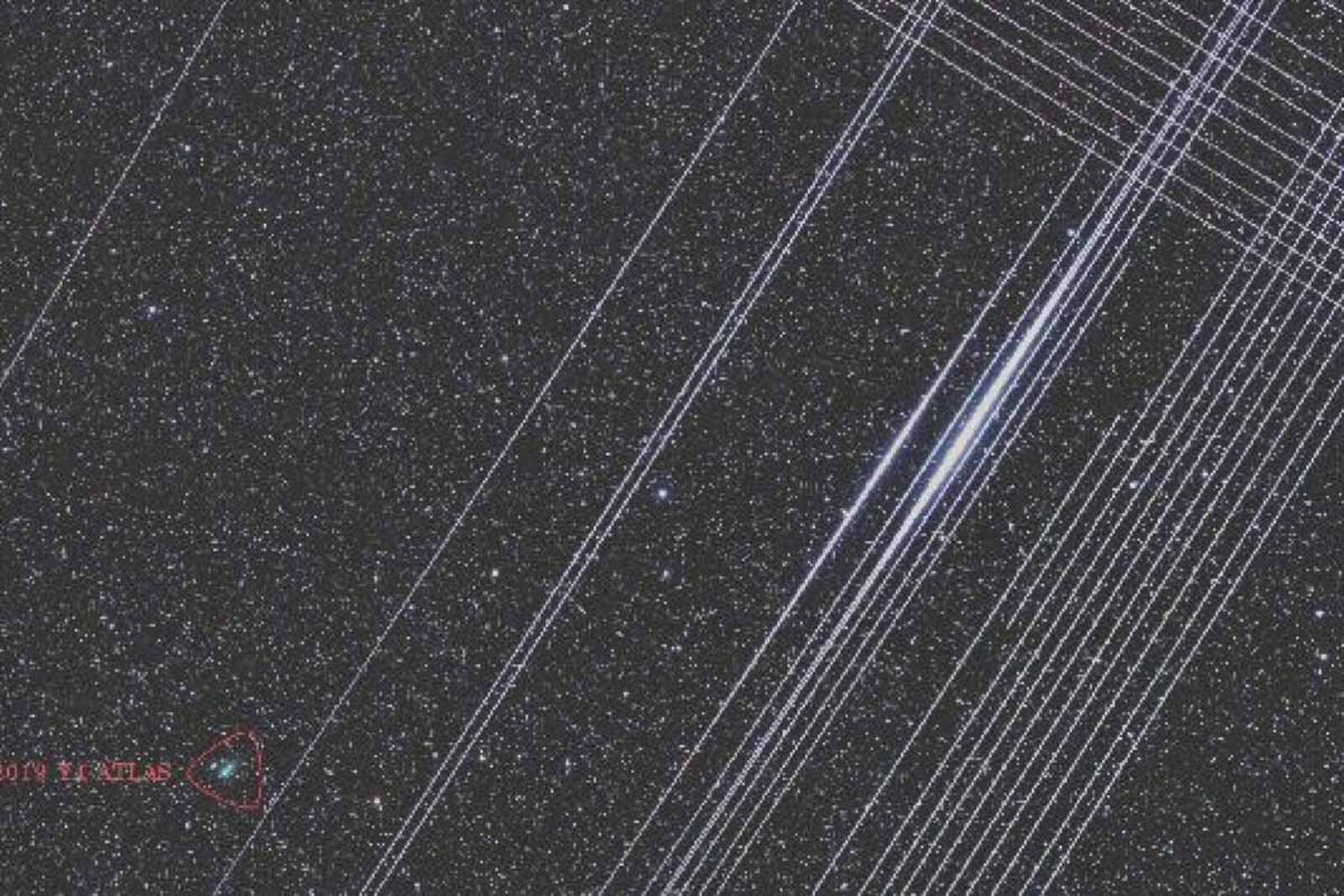
The team at NASA's Ames Center detailed that the number of satellites in low orbit rose from 2,000 in 2019 to 15,000. The outlook for the future is even more challenging: it is estimated that by 2030 there could be nearly 560,000 satellites operating around the planet.
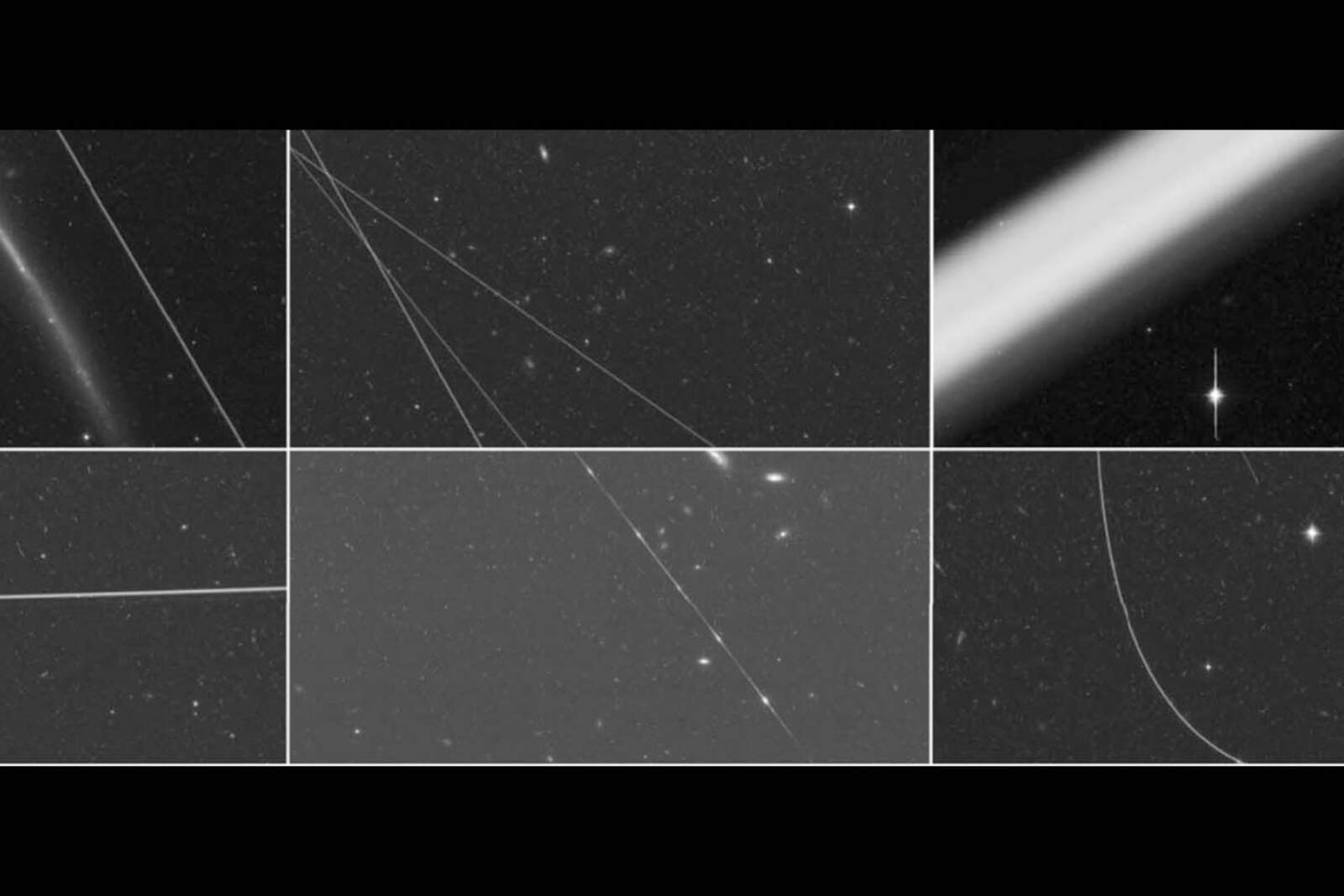
Although the problem initially affected ground-based observatories, it would now also reach space missions that depend on clear images to study the universe.
Up to 96% of images contaminated
The research led by Spanish astrophysicist Alejandro Borlaff simulated scenarios to measure the impact this "megaconstellation" would have on key telescopes. The results were compelling.
Imagen contaminada del cometa 3I/Atlas
Telescopes such as SPHEREx (NASA), ARRAKIHS (ESA), and Xuntian (China) could see up to 96% of their visual records affected starting in 2030. The historic Hubble is not exempt either: between 33% and 40% of its images would be altered.
Borlaff also warned that this pollution complicates critical tasks. "An asteroid tracing a trail in the sky looks just like a satellite. It is very difficult to tell them apart," he explained.