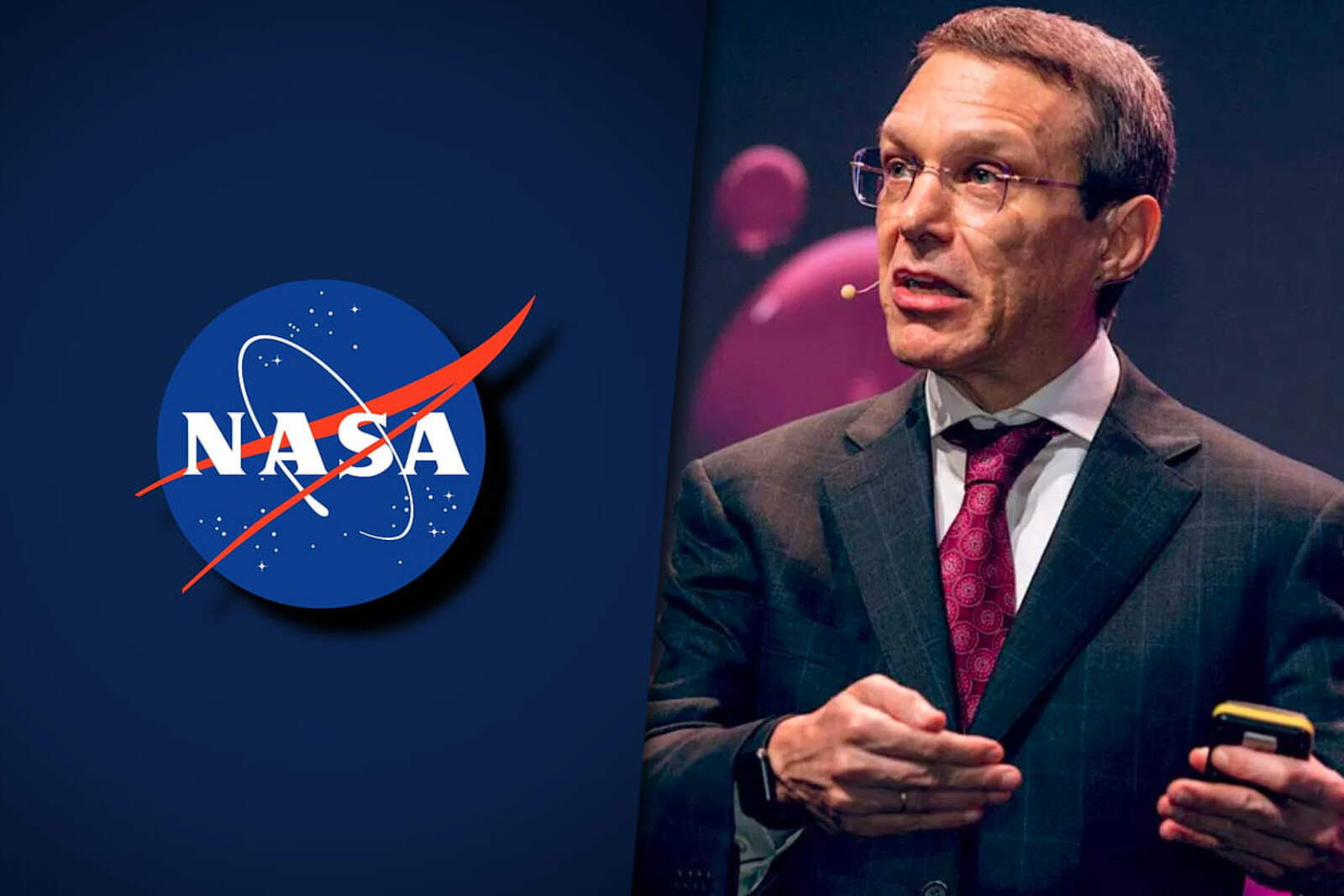
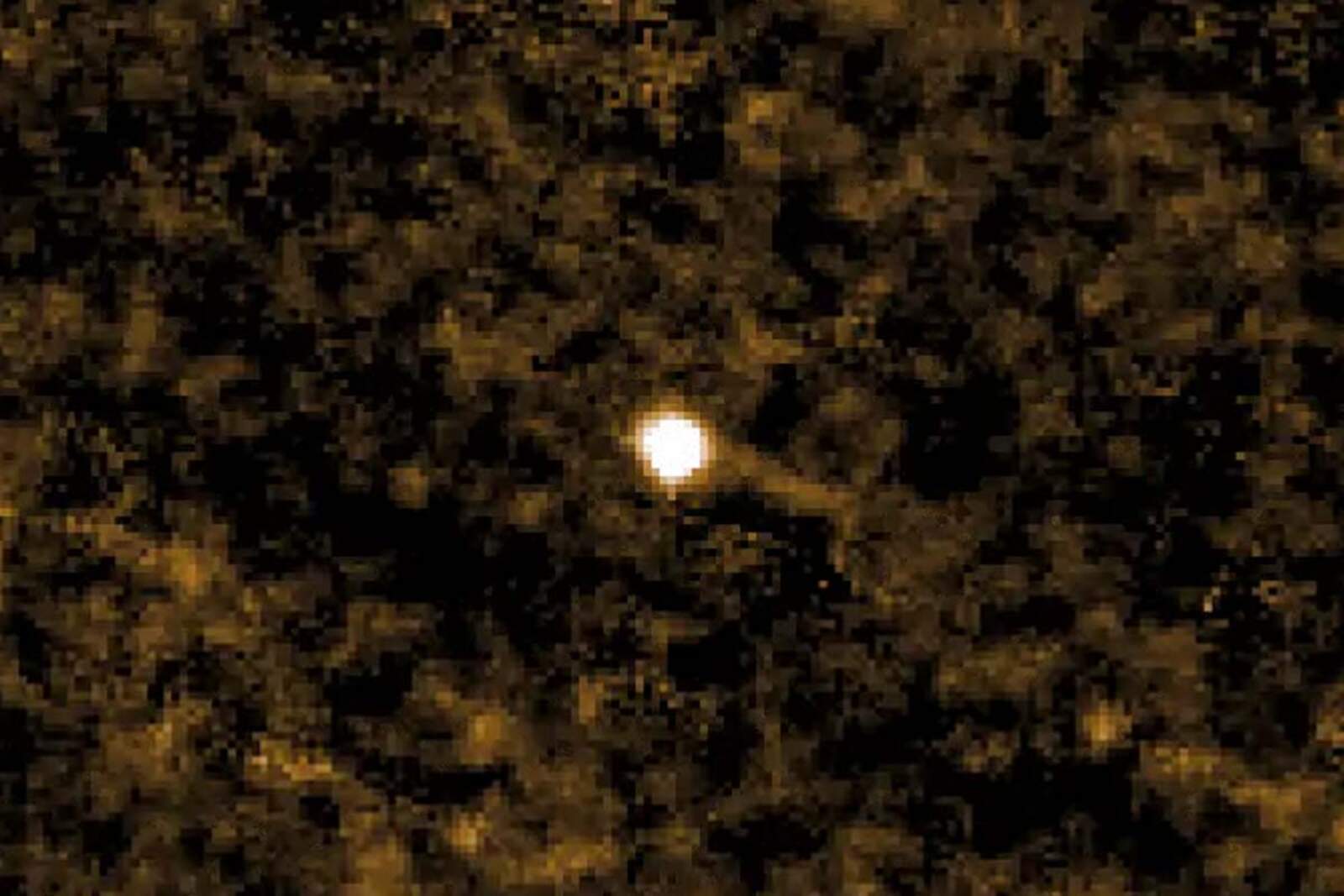
This interstellar object attracted attention from the moment it entered the solar system. Loeb keeps that its origin may not be completely natural, and that the "raw" material should be available for independent analysis, without filters that "soften" its appearance.
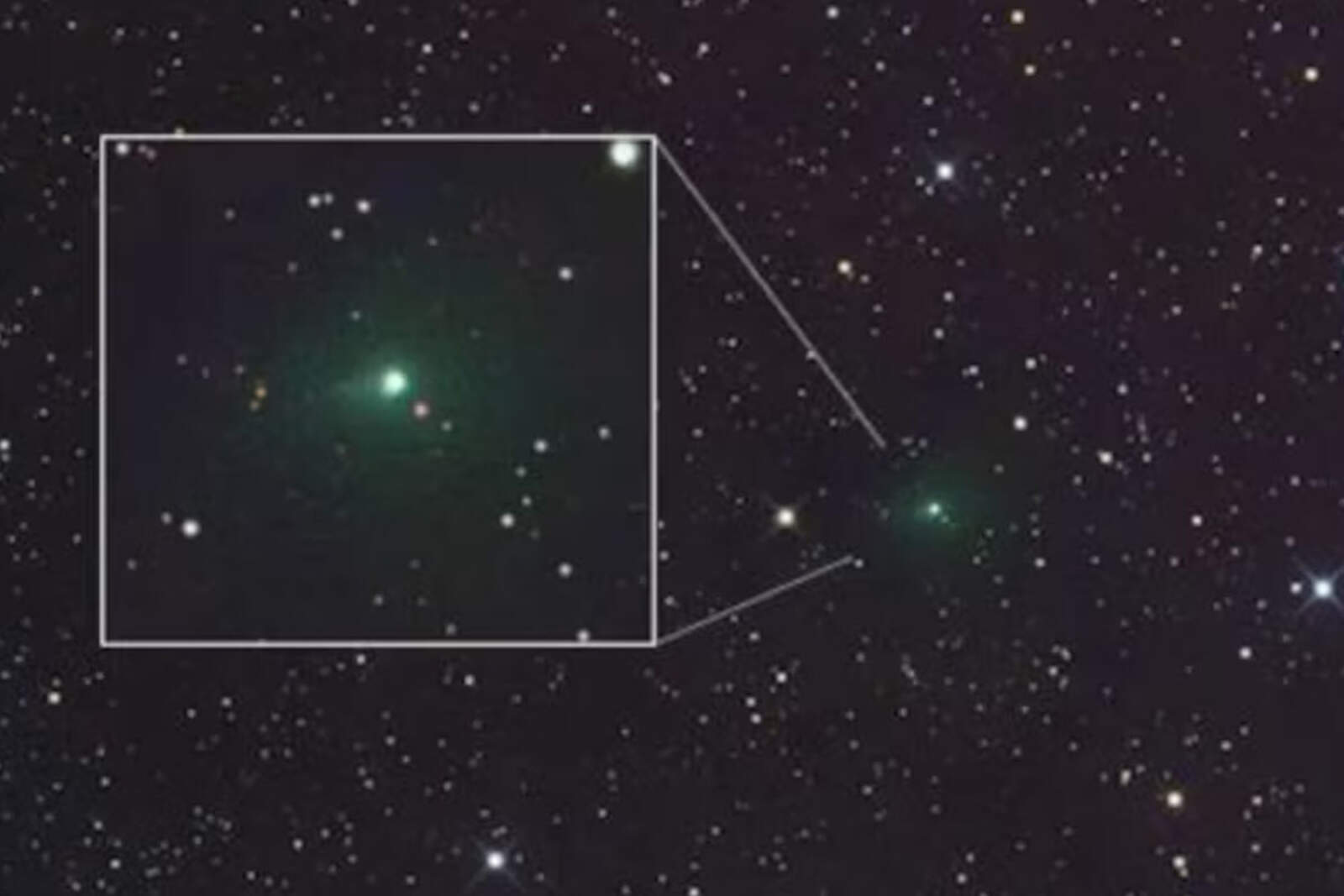
Su clásica tonalidad verde se transformó en un azul tenue
Currently, 3I/ATLAS is more than 670 million kilometers (416 million miles) from Earth.
What the experts say
The majority of astronomers dismiss the scientist's theories. They state that image processing is a necessary step to make an extremely faint and diffuse object visible. Comets, they explain, rarely show defined lines because their nucleus is surrounded by dust and gas expelled over great distances.
La NASA presentó por primera vez las imágenes inéditas del cometa 3I/ATLAS
From that perspective, the blurry appearance of 3I/ATLAS would not be a sign of manipulation, but rather the natural consequence of its own activity.
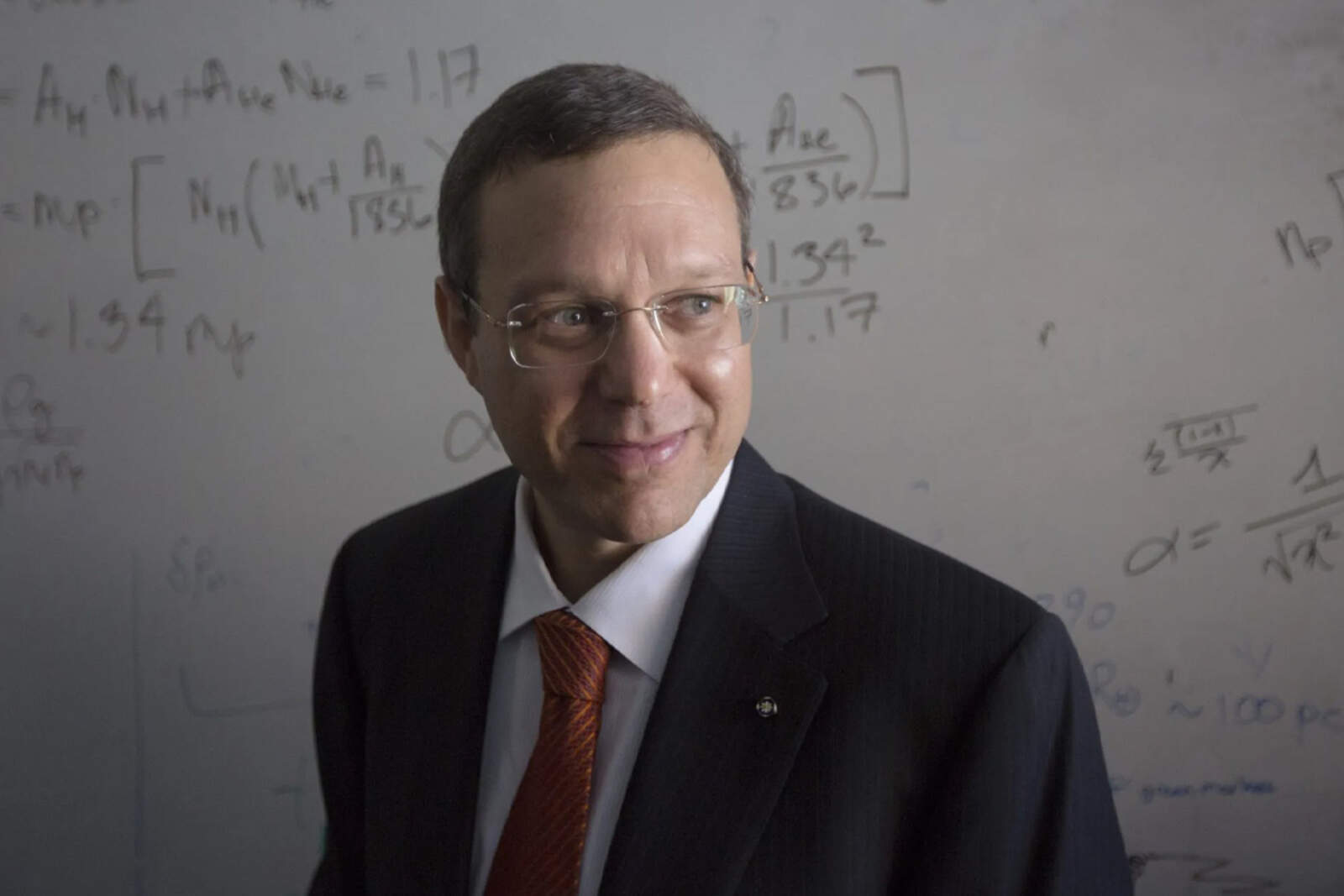
The controversy surrounding the 3I/ATLAS comet has erupted again. The renowned astrophysicist Avi Loeb from Harvard accused NASA of "softening" the images of the interstellar object to make it look like an ordinary comet. According to the scientist, the space agency may be preventing the public from asking uncomfortable questions about a possible non-natural origin.
Loeb claimed that the processing applied to the photos of the object erases any detail that could point to something other than a traditional comet.
Avi Loeb
Avi Loeb's accusation
Loeb once again found himself at the center of the scientific debate. In his role as director of the Galileo Project, he keeps that astronomy relies too heavily on editing routines that "limit the interpretation of rare phenomena."
His main complaint is that brightness and contrast adjustments, as well as techniques like stacking, could be hiding anomalies in the object's shape. For him, if there were defined edges or unusual structures, these methods could erase them before the public sees them.