The increase stems from the recently agreed collective bargaining agreement for Congress employees, to which legislators are tied under the scheme approved in April 2024.
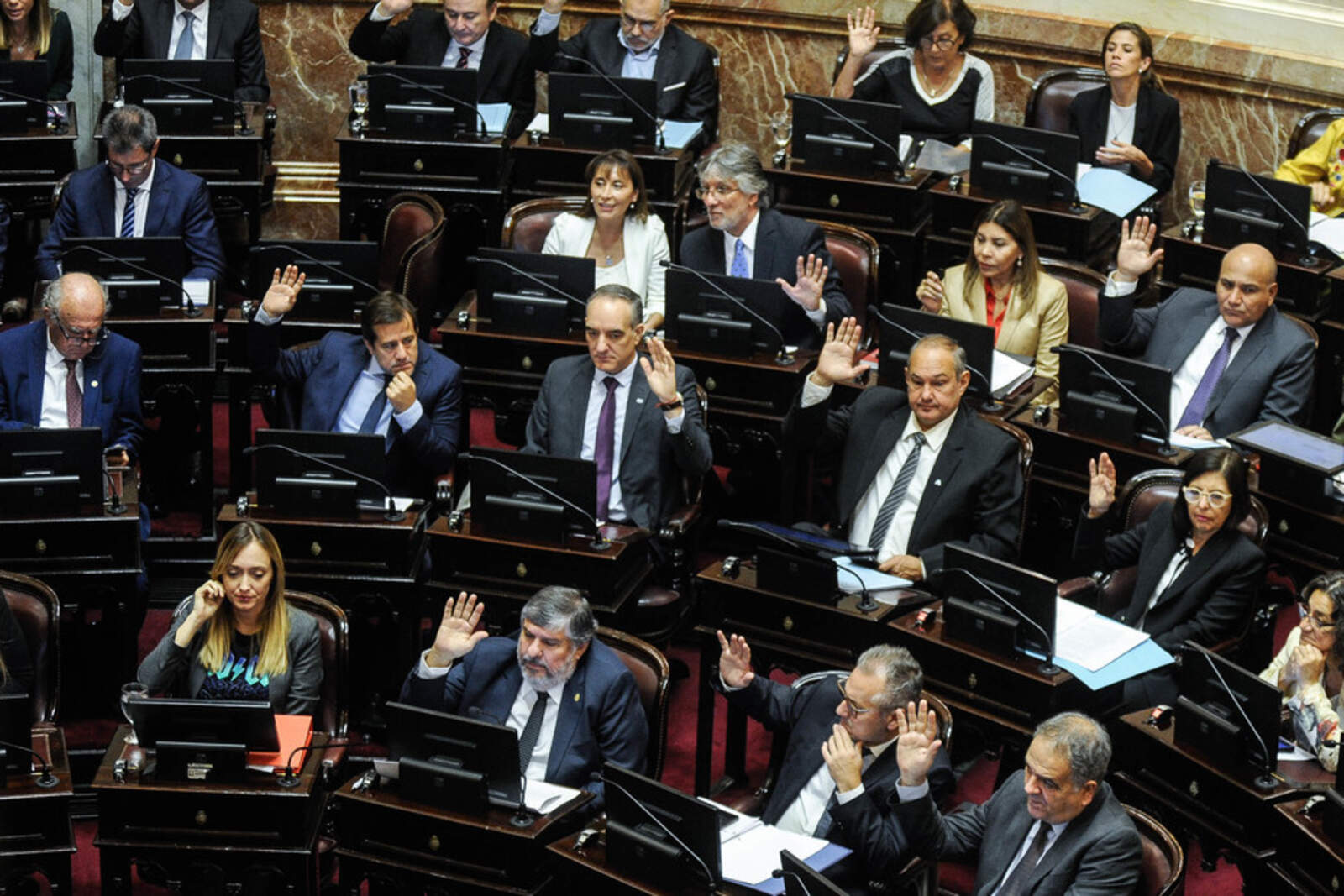
That month, senators as a whole approved in the chamber a system that changed the way salaries are calculated.
El bloque de Fuerza Patria no rechazará el aumento.
Since then, senators' salaries have consisted of 2,500 modules—the same used to pay legislative employees—, plus an additional 1,000 modules for representation expenses and 500 more for displacement. In total, the salary amounts to 4,000 modules, which after the latest update raises income to more than 10.2 million pesos (over $10,200,000) gross.
The additional payment for displacement, which amounts to a significant portion of the salary, is received by almost all legislators: only four have given up that benefit. In addition, in April 2024 an extra month of salary was added to compensate for the annual bonus, thus increasing regular income.
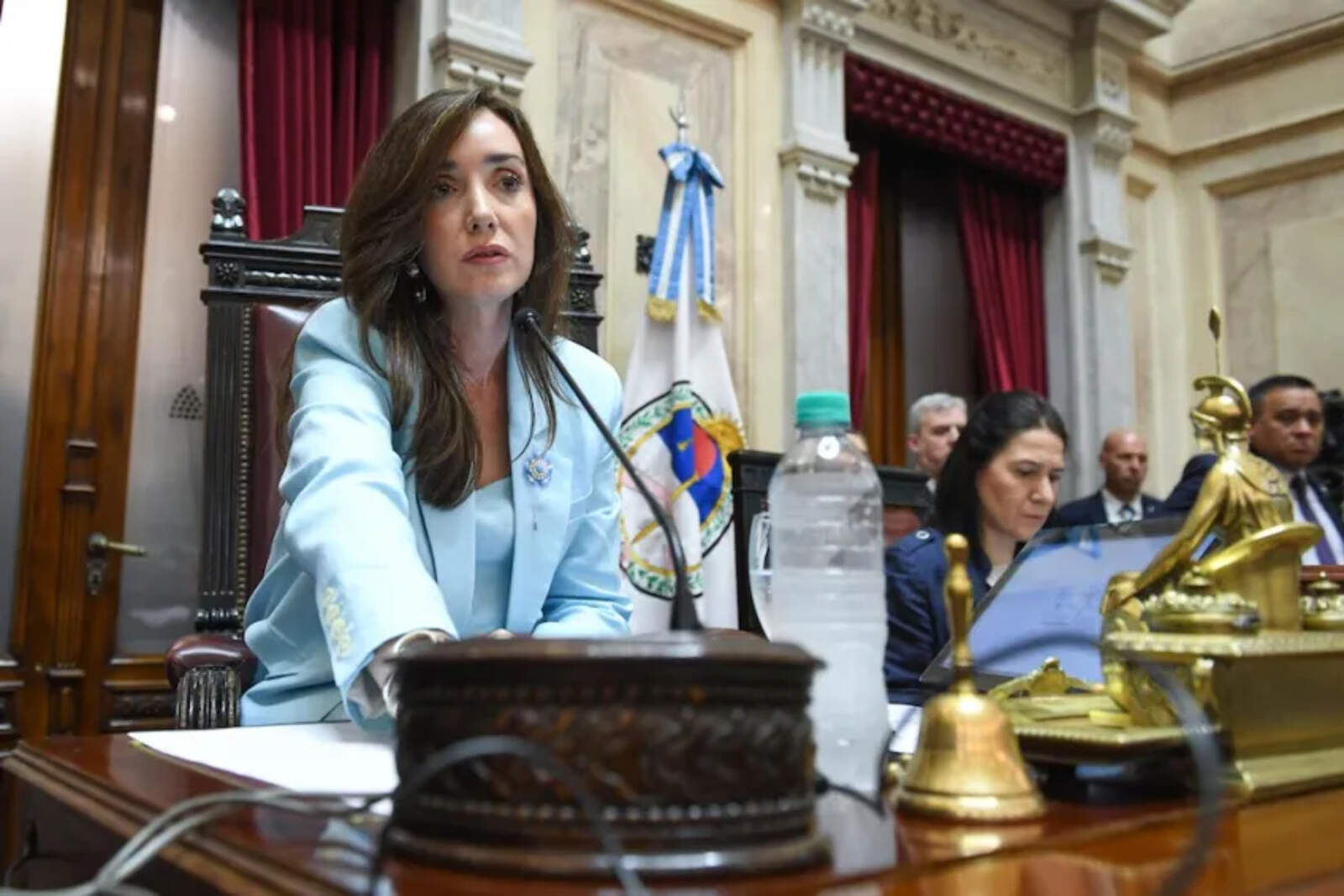
In the second half of 2024, amid growing controversy, senators froze their salaries until the end of the year. The measure was extended until March 2025 by decision of Vice President Victoria Villarruel, although the Senate president herself clarified that "the next decision should be made by the caucuses themselves in a session".
In June, after a new collective bargaining agreement, Villarruel signed a resolution that raised salaries to more than 9.5 million pesos (over $9,500,000) gross, inviting senators "to exercise the option to adjust or not, in whole or in part, their respective salaries, informing the Presidency in writing".
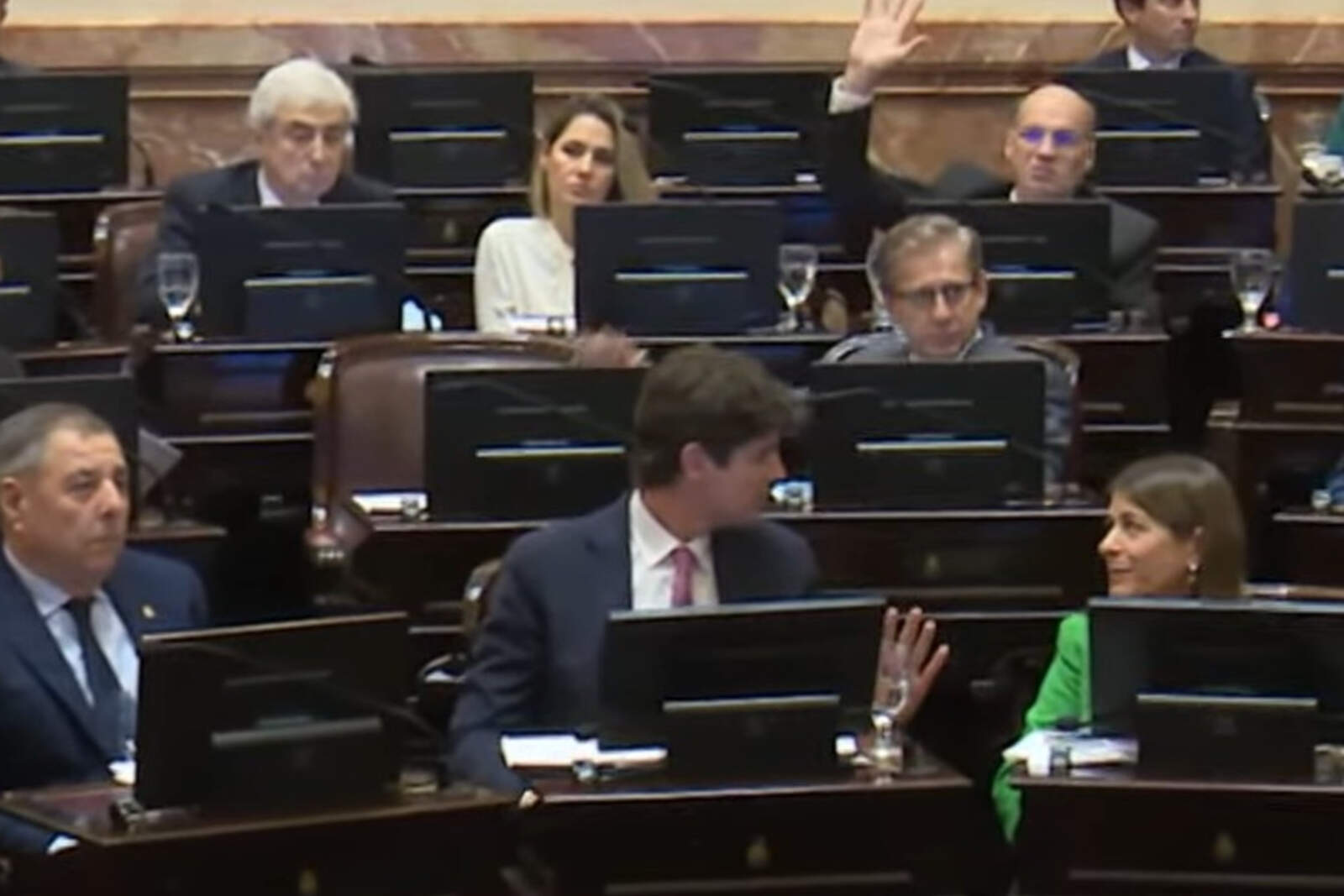
Martín Lousteau levantando la mano para aumentarse el sueldo en abril de 2024.
The latest collective bargaining agreement for legislative employees provides for increases of 1.3% with a compensatory bonus of 25,000 pesos (about $25,000) for June, July, and August, and 1.2% monthly with a bonus of 20,000 pesos (about $20,000) for September, October, and November, which represents a cumulative increase of 7.52%. Thus, each module now costs 2,554 pesos (about $2,554), which multiplies the salaries at current values.
In this new scenario, several caucuses within the Senate—including La Libertad Avanza, PRO, UCR, and provincial legislators—announced that they will reject the increases.
However, Kirchnerism once again found itself at the center of controversy by not giving up the increases, showing a different attitude in the face of the austerity demanded by citizens.