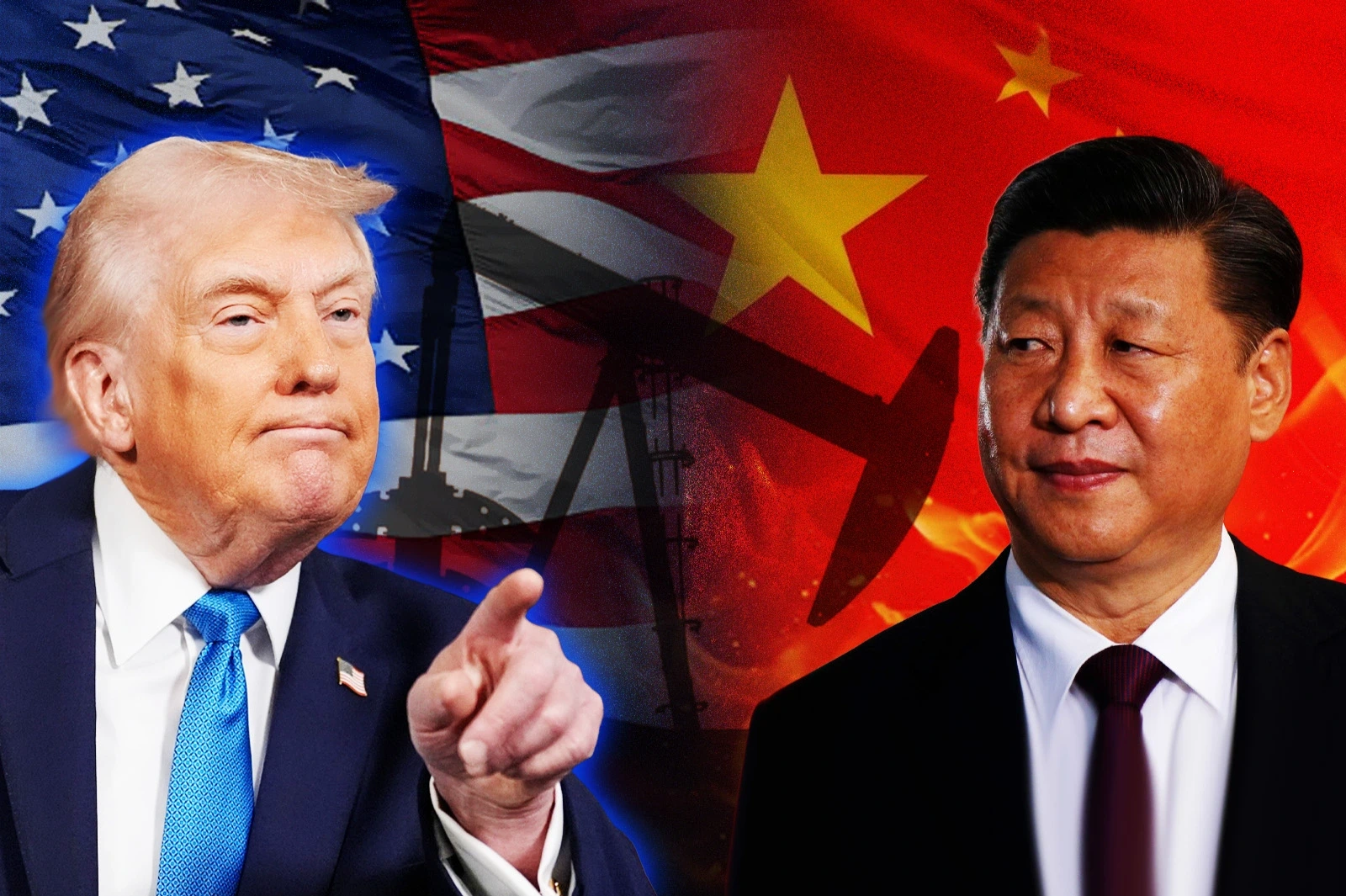

The United States announced a new battery of economic sanctions against Iran, in a measure that aims to weaken the country's main source of income: the export of oil. The decision, announced by the United States Department of the Treasury, includes the Chinese refinery Hengli Petrochemical and nearly 40 shipping companies and ships involved in transporting Iranian crude oil, as part of a broader strategy of financial pressure promoted by the
United States.The Hengli refinery, located in the port city of Dalian, is one of the largest independent facilities in China, with the capacity to process about 400,000 barrels per day. According to US authorities, this company has purchased Iranian oil for billions of dollars since at least 2023, consolidating itself as one of the main customers of crude oil from Tehran. These operations are part of a commercial network that allows Iran to financially sustain destabilizing activities
in the region.In an official statement, the U.S. State Department stated that the objective of the sanctions is to interrupt the illegal trade in Iranian oil, which it identifies as the main source of funding for the Iranian government. The U.S. administration maintains that these resources are used to support military operations and allied networks in the Middle East, which represents a threat to regional stability and international interests
.
measures include the blocking of assets on U.S. territory and the prohibition of U.S. citizens or companies from maintaining business relationships with sanctioned entities. Those affected include companies registered in various jurisdictions, such as Panama, Marshall Islands and Hong Kong, which participate in the so-called “ghost fleet”. This network of ships and logistics operators makes it possible to transport Iranian oil through mechanisms that seek to evade international controls
and sanctions.The initiative is part of the “maximum pressure” policy that Washington has resumed with the objective of forcing changes in Iran's behavior. Treasury officials stressed that they will continue to target the networks of intermediaries, buyers and carriers that facilitate the placement of Iranian oil in global markets. In this sense, the strategy is not limited to sanctioning producers, but also covers the entire logistics and financial chain associated with energy trade