Delegations from the United States, Israel, and Hamas are meeting in Sharm el-Sheikh to define the terms of the ceasefire, the release of hostages, and the reconstruction of Gaza
Hostage and prisoner exchange, the core of the plan
Trump's peace plan calls for an immediate ceasefire, the release of all hostages—alive and dead—within 72 hours, and a prisoner exchange that would include 250 Palestinians serving life sentences and more than 1,700 detainees in Gaza during the war.
Palestinian activists captured 251 people during the October 7, 2023, attack. According to Israeli army data, 47 remain in Gaza, and at least 25 of them are believed to have died.
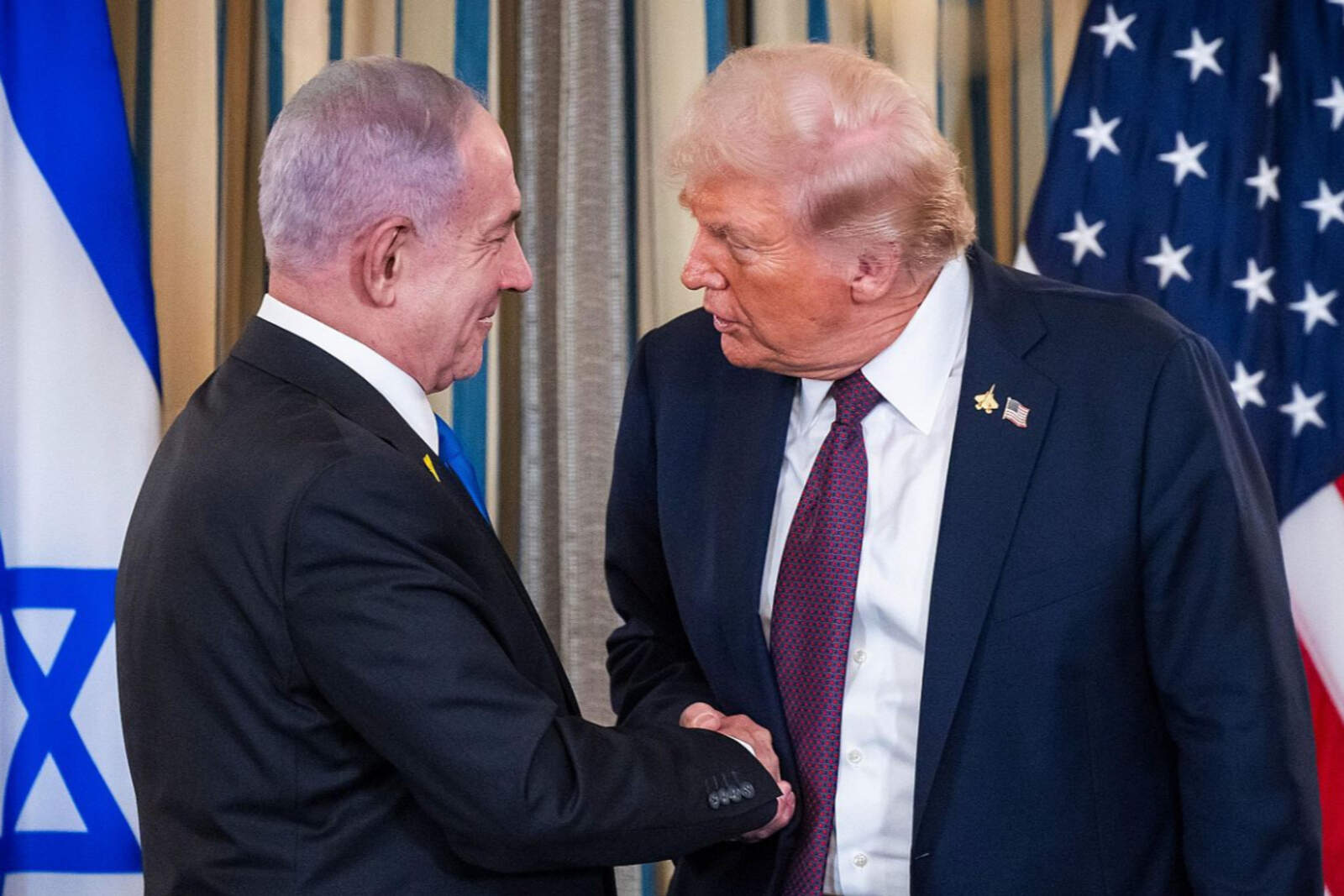
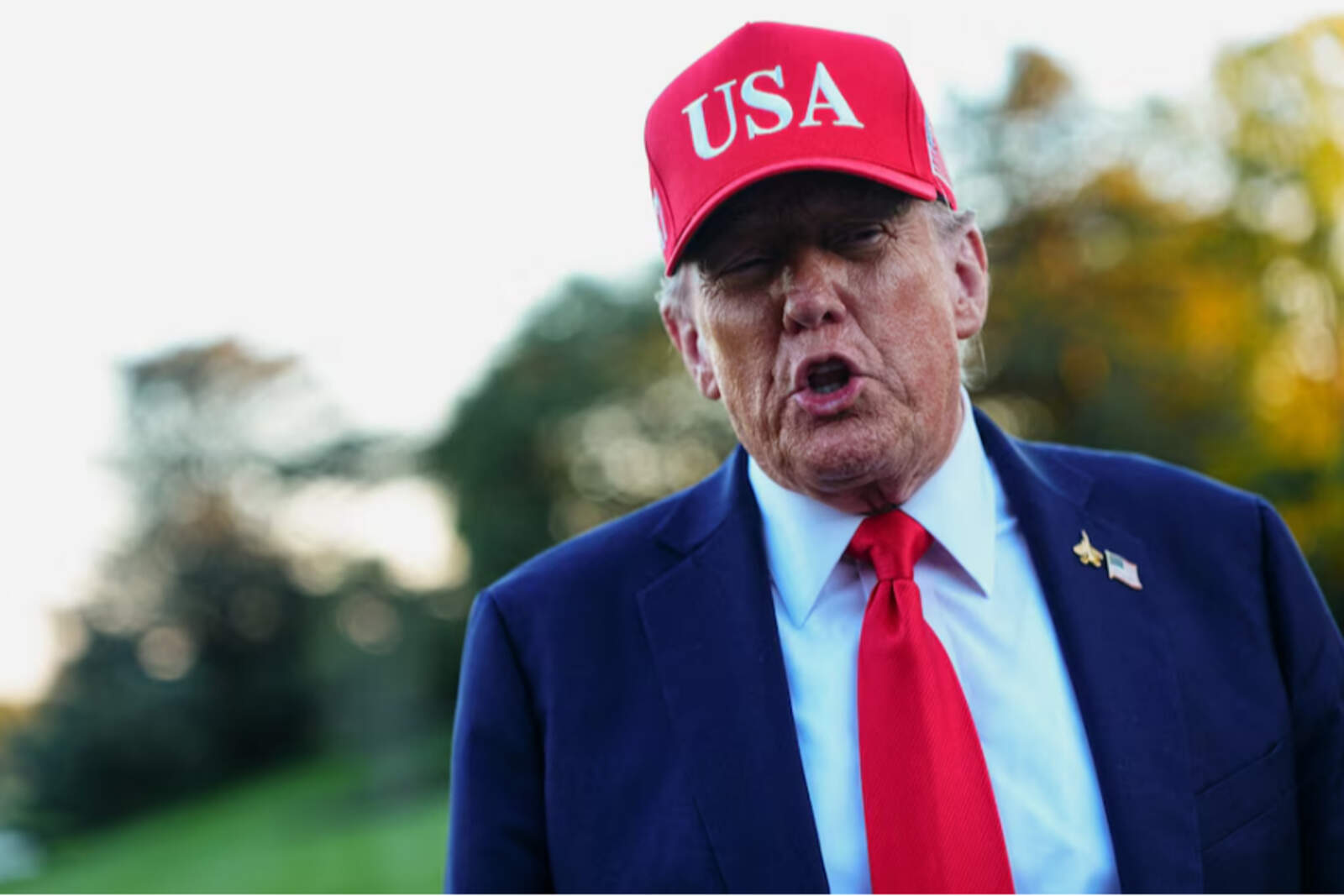
Representatives from the United States, Israel, and the terrorist group Hamas are participating this Monday in a meeting in Sharm el-Sheikh, Egypt, with the goal of advancing the implementation of the peace plan designed by U.S. President Donald Trump. The meeting is taking place on the eve of the second anniversary of the October 7, 2023, attack, which marked the beginning of the current conflict in the Gaza Strip.
Both Hamas and Israel replied positively to the American proposal, which includes an end to hostilities and the release of Israeli hostages held in Gaza in exchange for Palestinian prisoners detained in Israeli jails. However, technical and international supervision aspects still need to be defined.
The President of Egypt, Abdel Fattah al-Sisi, praised Trump's initiative by stating that it represents "the right path toward lasting peace and stability." According to the president, the ceasefire, the return of detainees, the reconstruction of the enclave, and the recognition of the Palestinian state are essential steps to consolidate a stable political process in the region.
International support and pressure for an agreement
Israeli Prime Minister Benjamin Netanyahu anticipated over the weekend that he expects "concrete results within days", while Trump stated on his Truth Social network that "talks are progressing rapidly" and that the first phase could be completed this week.
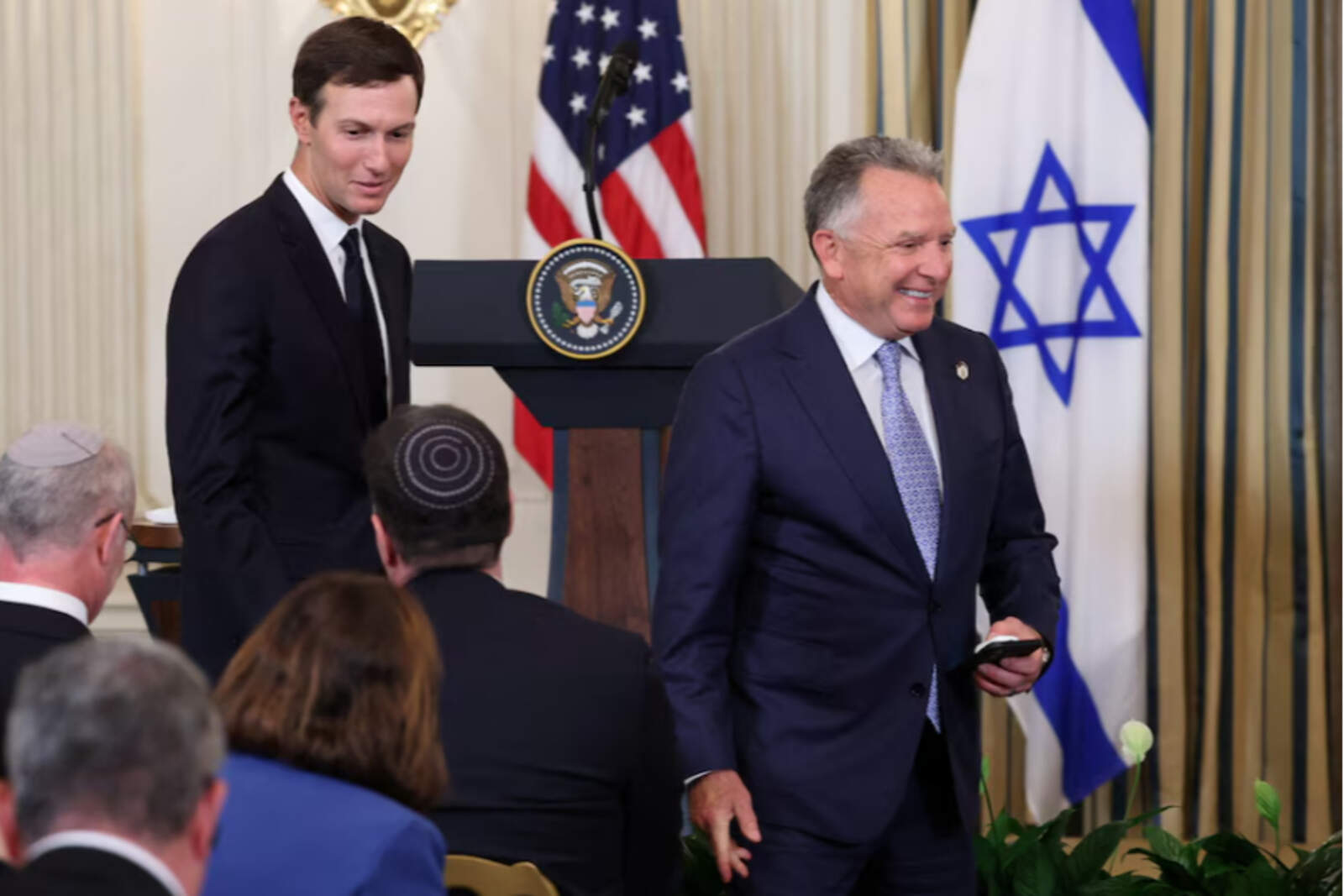
The U.S. president sent his special envoy Steve Witkoff and his son-in-law Jared Kushner to participate directly in the negotiations. On the Palestinian side, the chief negotiator for Hamas, Khalil al-Hayya, arrived in Egypt on Sunday night at the head of the group's delegation.
Avanzan en Egipto las negociaciones del plan de Trump para poner fin a la guerra en Gaza
Meanwhile, U.S. Secretary of State Marco Rubio urged Israel to halt the bombings on Gaza during the talks, arguing that "hostages can't be released amid bombings."
Once the exchange is completed, the plan provides for a gradual withdrawal of the Israeli army and the disarmament of Hamas, a condition the group considers a "red line." Nevertheless, Hamas expressed its willingness to continue negotiations and to participate in discussions about the political future of the territory.
Avanzan en Egipto las negociaciones del plan de Trump para poner fin a la guerra en Gaza
The future administration of Gaza and Trump's role
The U.S. plan establishes that the administration of the Strip will be in the hands of a technocratic body supervised by a transitional authority headed by Donald Trump and with the participation of former British Prime Minister Tony Blair.
According to the proposal, neither Hamas nor other armed factions will have political power in the postwar period. The goal is to create a transitional structure that guarantees stability, reconstruction, and eventual institutional reintegration of the territory under international supervision.
Meanwhile, Egypt and several Arab countries expressed optimism about the negotiations, describing them as a "real opportunity" to achieve a lasting ceasefire and move toward peace in the Middle East.