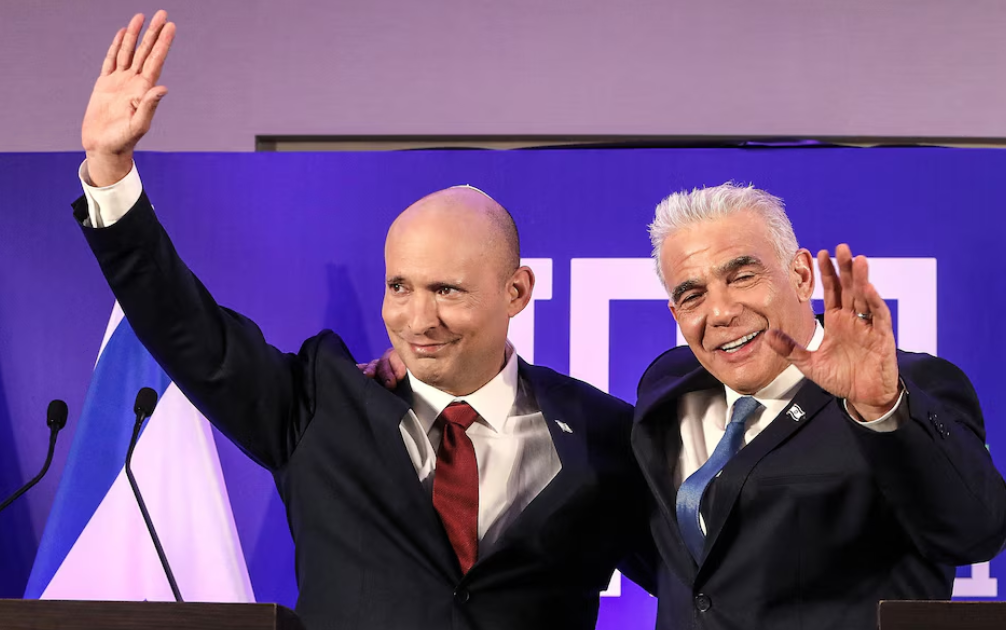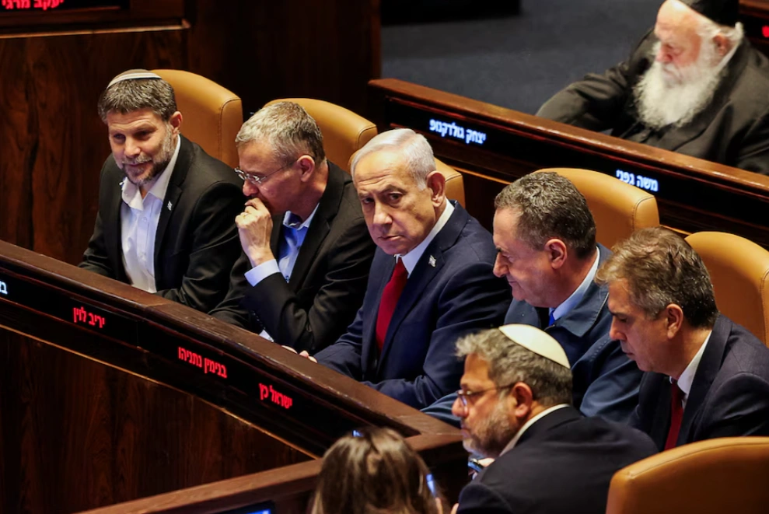

Benjamin Netanyahu is going through one of the most delicate political crises in recent years after his coalition formally pushed for the dissolution of the Knesset and called for early elections.
The decision was presented this Wednesday by the Israeli government amid the rupture with the ultra-Orthodox parties, which accuse Netanyahu of failing to fulfill key promises related to mandatory military service.
Netanyahu's coalition is on the brink of collapse
The bill to dissolve Parliament was signed by the six blocs that make up the ruling coalition and seeks to allow the government itself to control the electoral calendar.
The proposal establishes that elections must be held within a period of between 90 days and five months after the law is approved, although in any case they must take place before October 27.
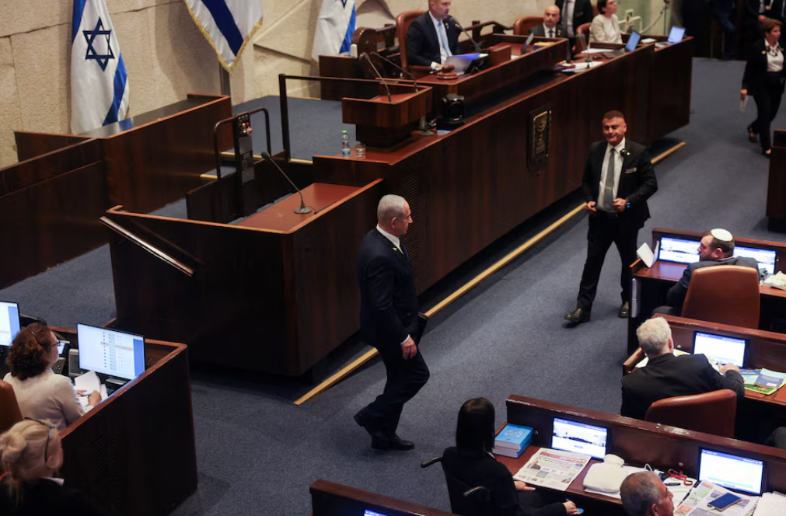
The crisis erupted after Rabbi Dov Lando, spiritual leader of the ultra-Orthodox party Degel HaTorah, ordered a break with Netanyahu and to move “as soon as possible” towards new elections.
“We no longer trust Netanyahu,” the religious leader stated.
The conflict revolves around mandatory military service
The Haredi parties argue that Netanyahu failed to fulfill his promise to approve a law that would permanently exempt ultra-Orthodox youths studying in religious seminaries from military service.
For weeks, the prime minister tried to avoid a total rupture while negotiating a compromise project. However, when he acknowledged that the initiative would not advance before the elections, he lost the support of his religious allies.
The exit of the ultra-Orthodox exposed the parliamentary fragility of the Israeli government.
Netanyahu tries to control the electoral calendar
Hours before presenting the dissolution bill, the coalition withdrew all proposed bills scheduled for parliamentary voting, including a controversial reform that would give the government greater control over key institutional appointments.
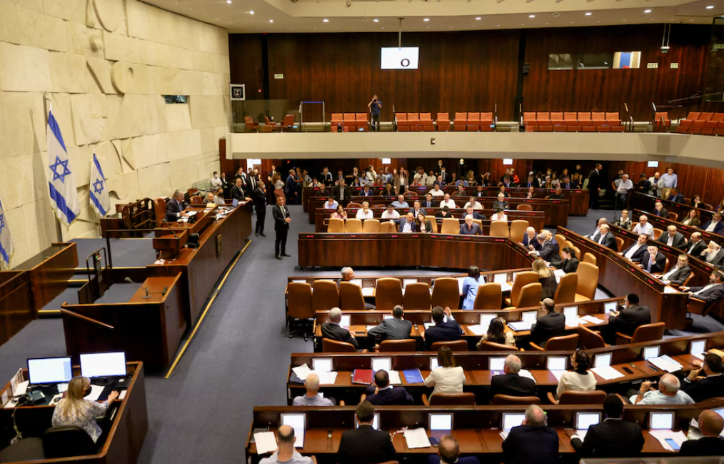
The maneuver aimed to avoid an immediate parliamentary defeat and gain political leverage to organize the electoral process.
Behind the strategy lies a central objective: to give Netanyahu time to arrive strengthened at the elections.
The prime minister's environment believes that an electoral delay could allow him to capitalize on:
Recent military achievements
International diplomatic advances