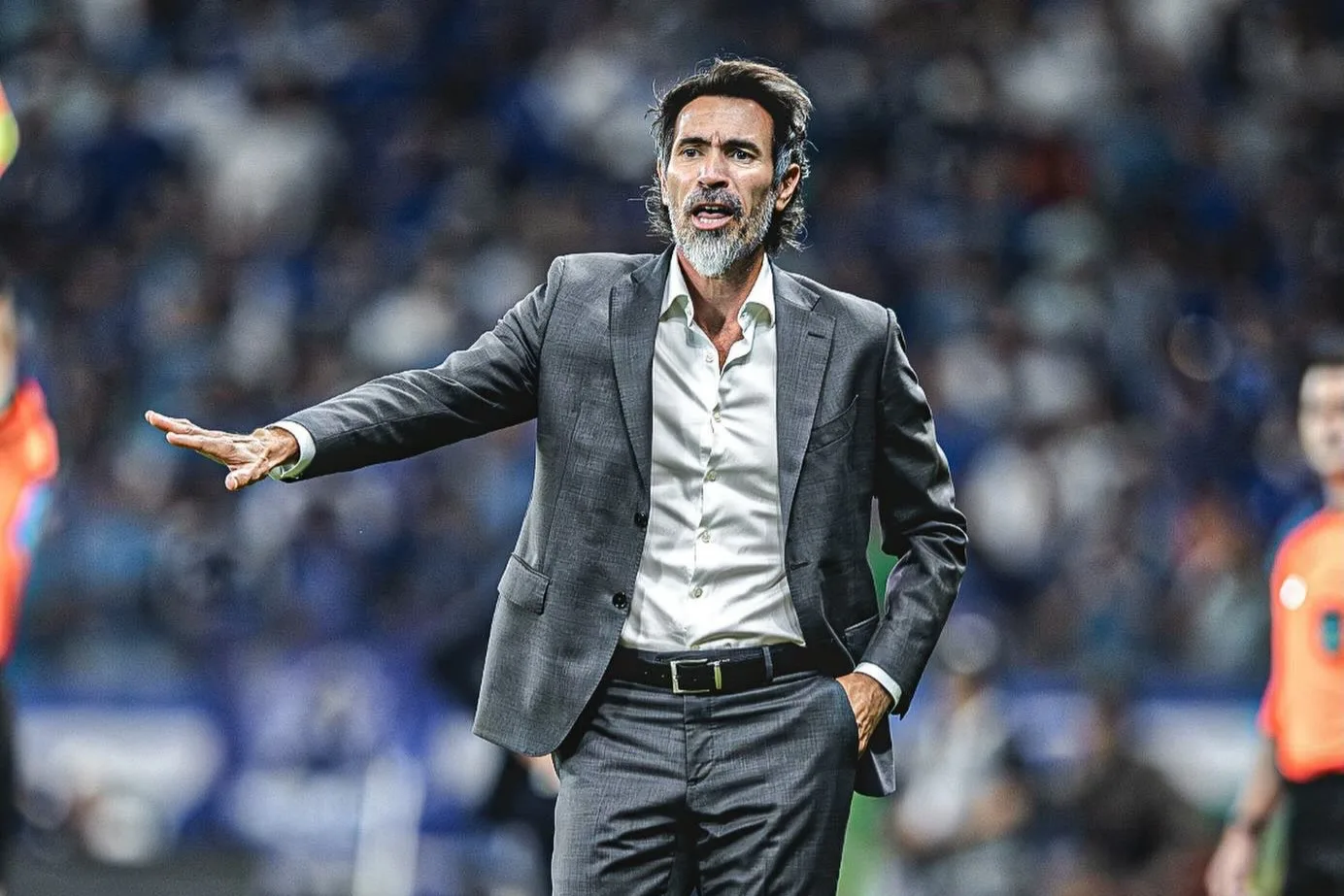
The player's words appeared as a direct response to the accusations from Milito, who had claimed right after the match that "Argentine football is broken". In that sense, Di María raised the stakes: "Many of those who want to ‘change football’ can’t even manage their own club".
Another key point of the message was the historical tension between football from the interior and the centralized power in Buenos Aires. "The strongest journalism is in Buenos Aires, that’s why those from the interior have always had to stay silent. But we won’t stay silent anymore, the interior is growing and that hurts, that makes people uncomfortable and annoyed", he stated.
Additionally, indirectly referring to the complaints of the head of the Academy regarding the refereeing, the Fideo mentioned one of the most disputed plays of the match. "Véliz's goal was not offside", he asserted, regarding the disallowed goal by Alejo Véliz at the beginning of the second half after a VAR review.
In conclusion, he left a broader reflection on the context of Argentine football and the return of international figures: "Then they want the world champions to come to Argentina to play, for what? So they can just say they help us? That football is tainted?". And he closed with a powerful phrase: "Football is not tainted, now we are all equal and that bothers".