








The Prime Minister of Israel, Benjamin Netanyahu, stated this Sunday that Hezbollah is ''in retreat'' in the face of the Israeli military offensive in southern Lebanon, while announcing new bombings against the southern suburbs of Beirut and claiming that Israeli forces have eliminated hundreds of fighters from the terrorist group over the past week.
The statements reflect the persistence of clashes despite the recently renewed ceasefire between the governments of Israel and Lebanon, an agreement aimed at containing an escalation that threatens to further extend instability in the Middle East.
During the weekly cabinet meeting, Netanyahu asserted that the Israel Defense Forces continue dismantling the military infrastructureof Hezbollah in the areas near the border. According to the leader, Israeli troops have taken strategic positions and uncovered extensive underground facilities used by the armed organization.
''We are completing the elimination of the terrorist villages near the border. We are attacking them decisively and we know that Hezbollah is in retreat,'' the Israeli head of government stated. He also warned that any attack against Israeli territory will receive an immediate and decisive military response.
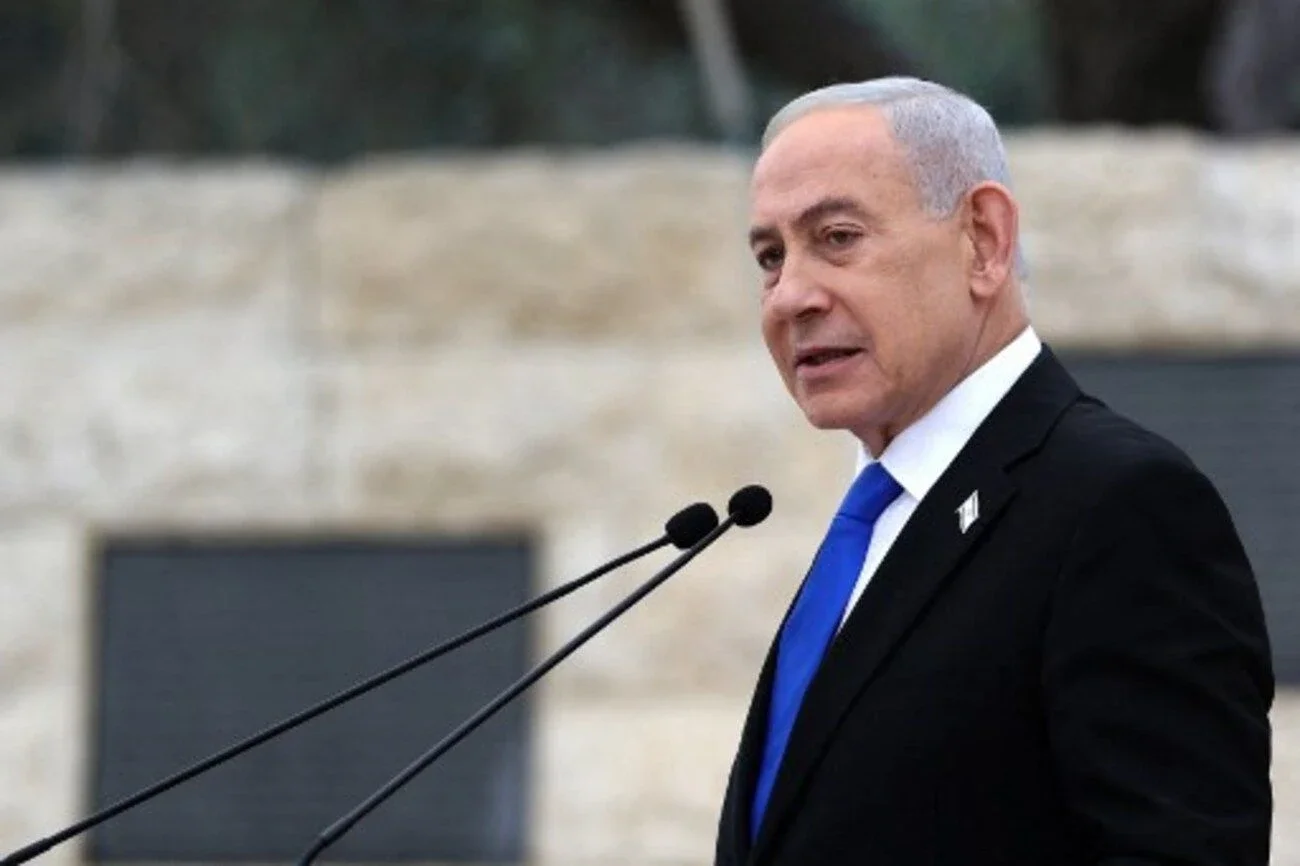
The Prime Minister of Israel assured that the terrorist group Hezbollah is in retreat after ordering a series of military advances in southern Lebanon
Netanyahu's words came just hours after the Israeli Army intercepted two rockets firedfrom Lebanese territory towards northern Israel. This was the first launch attributed to Hezbollah since the latest extension of the truce came into effect and the first since the middle of last week.
Following the interception, Israel claimed to have destroyed the launchers used in the attack and ordered a series of bombings against positions of the Shiite group. Among the targets hit were command centers located in Dahyeh, Hezbollah's political and military stronghold in the southern suburbs of Beirut.
The resumption of attacks highlights the fragility of the agreements reached so far. Although Hezbollah presents itself as a resistance movement, its actions have decisively contributed to dragging Lebanon into a devastating war whose consequences primarily fall on the civilian population. The organization, backed and financed by the Iranian regime, has turned large residential areas into platforms for military operations, exposing entire communities to reprisals and further destroying the weakened Lebanese economy.
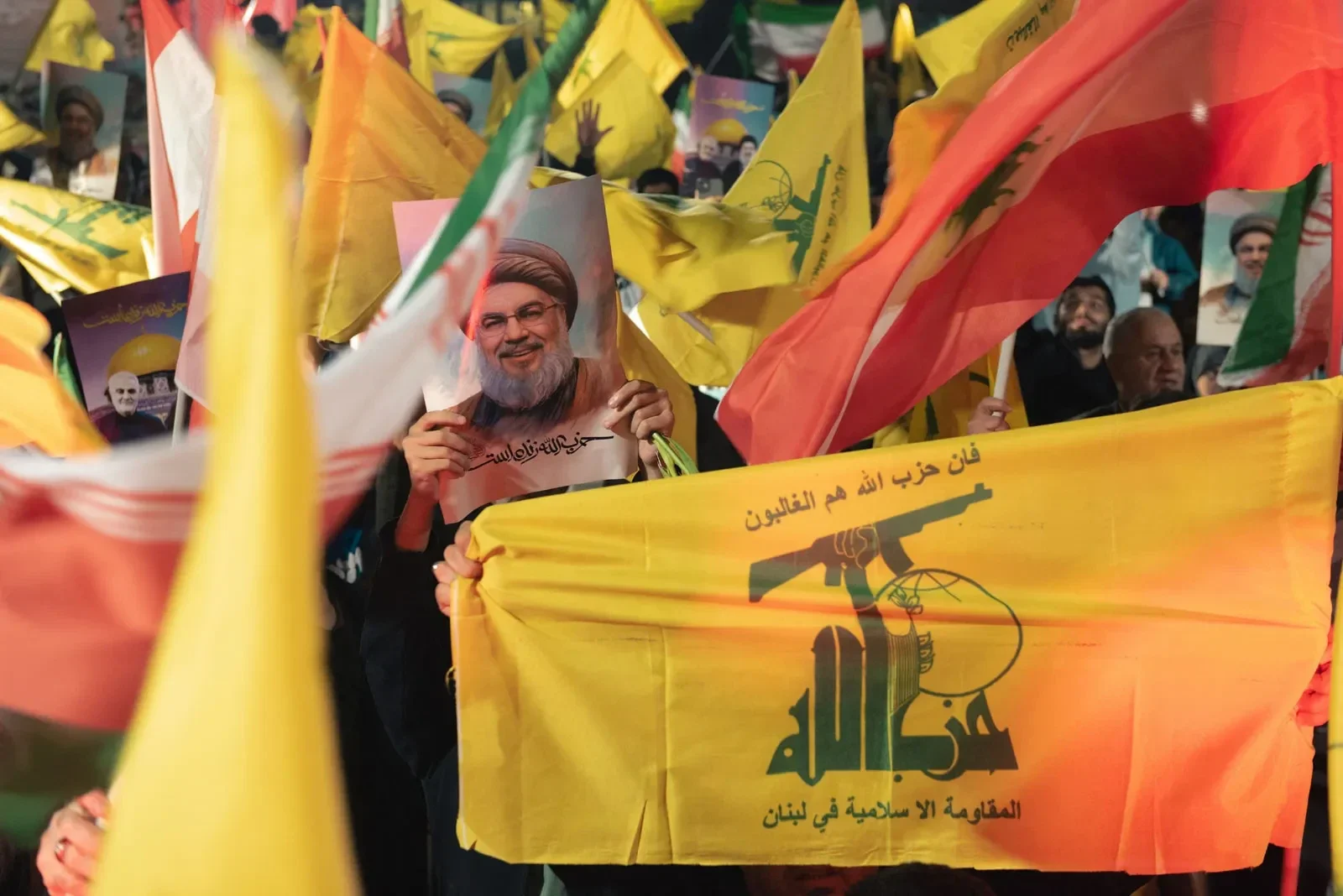
The terrorist group Hezbollah, funded by the Iranian regime, has rejected the terms of the negotiated peace agreements
Since the beginning of the current military campaign, thousands of Lebanese have died and hundreds of thousands have been forced to leave their homes. Numerous critics inside and outside the country argue that Hezbollah has subordinated the national interests of Lebanon to Tehran's regional strategy, using Lebanese territory as a front for a broader confrontation against Israel and the United States.
Tension has also escalated due to a evacuation order issued by the Israeli Army for much of the city of Tyre and its surroundings. Lebanese authorities reported that Israeli attacks recorded the previous day left at least five dead, including three members of the Lebanese Army.
The Lebanese president, Joseph Aoun, described those bombings as a ''flagrant violation of Lebanese sovereignty'' and called for greater international pressure to halt Israeli military operations.
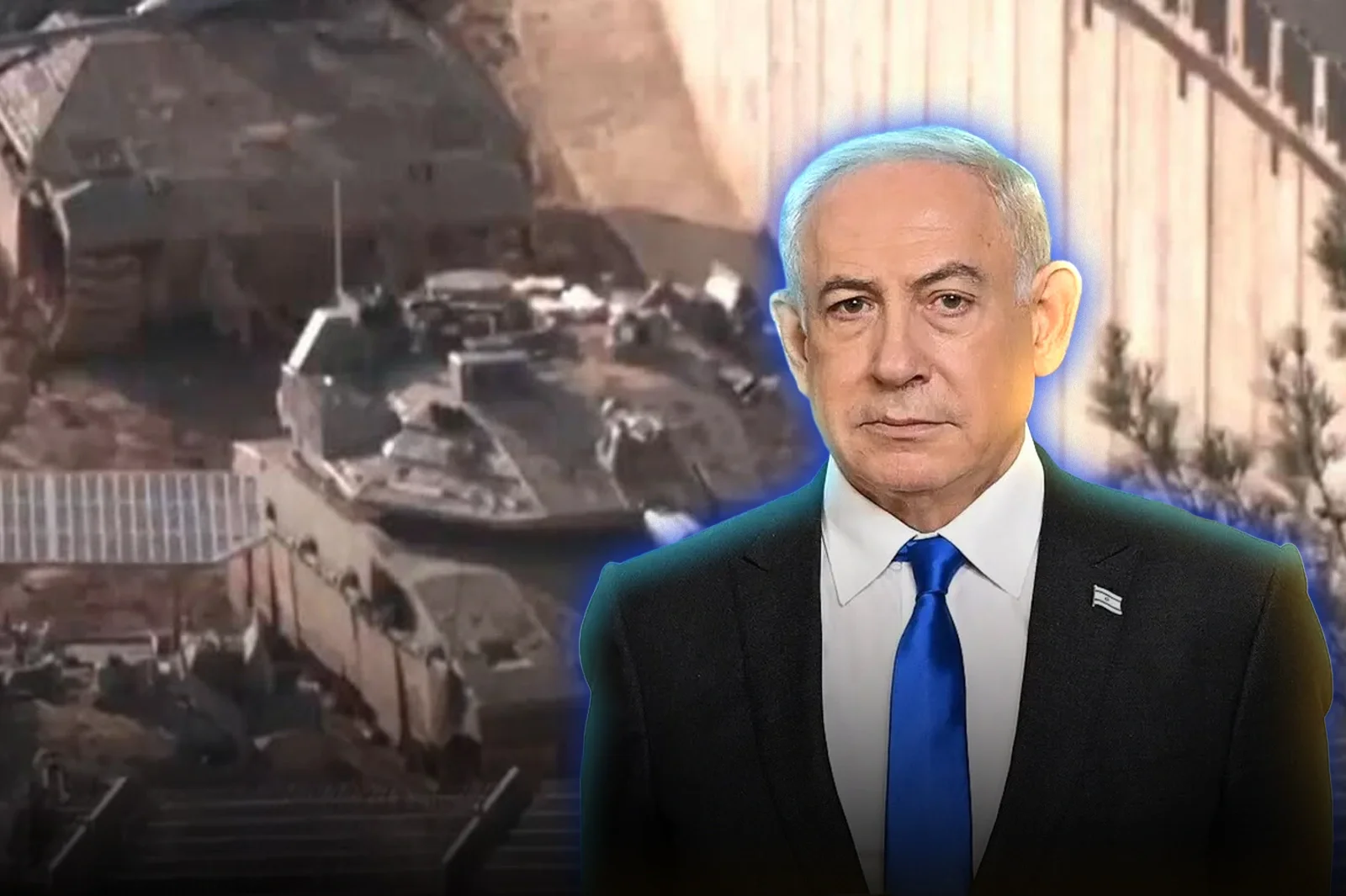
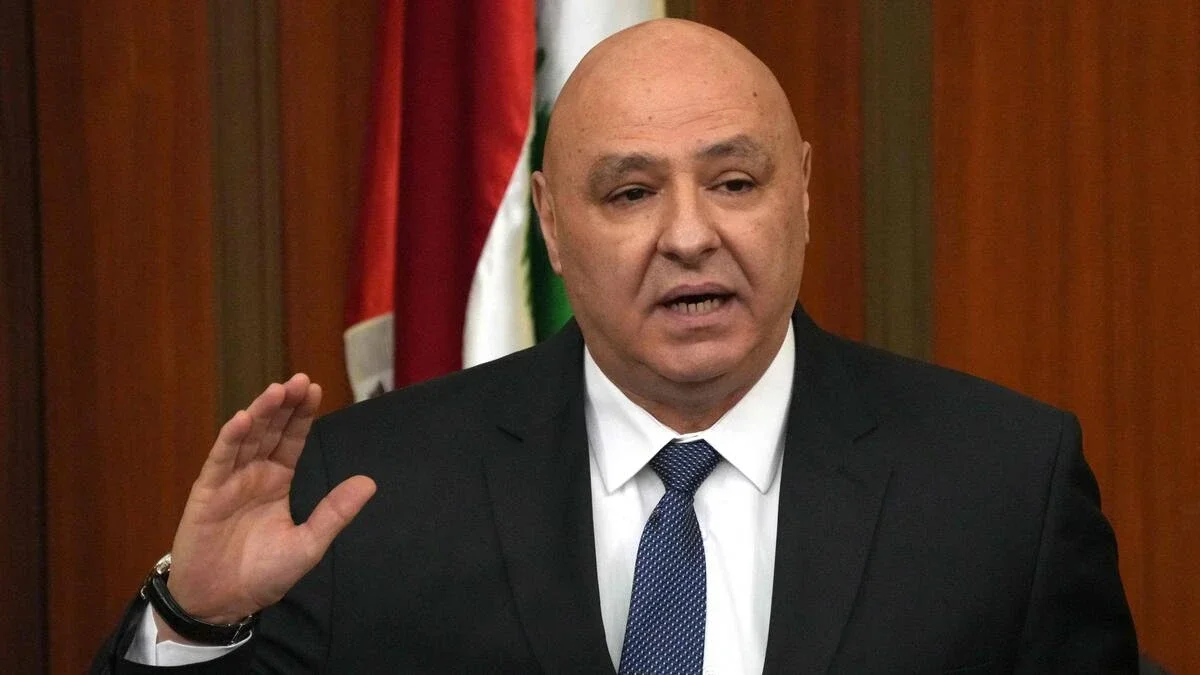
The president of Lebanon has condemned the recent military operations carried out by Israel
The original ceasefire had come into effect on April 17, but never fully consolidated on the ground. This week, representatives from both countries announced in Washington a new ceasefire formula that required Hezbollah to cease its attacks, withdraw from the border, and allow the Lebanese Army to take exclusive control of certain areas.
However, the terrorist organization rejected the conditions of the agreement and insisted on demanding a complete withdrawal of Israeli troops from Lebanese territory. The refusal again highlighted the difficulty of reaching a lasting solution while Hezbollah maintains a military structure parallel to the state and retains the capacity to act independently of national institutions.
Meanwhile, Netanyahu reiterated that Israel will expand its territorial control in the Gaza Strip. The Prime Minister stated that Israeli forces currently dominate more than 60% of the enclave and that they will soon reach 70%, a statement that raises questions about the future of the negotiated agreements to end the conflict with Hamas.
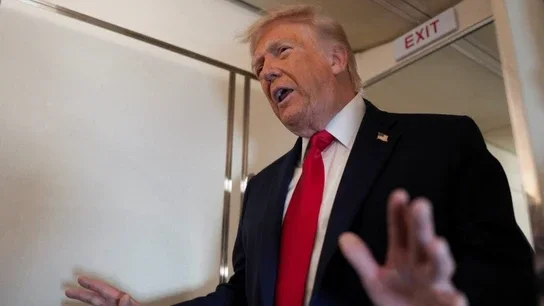
Donald Trump's intervention was crucial for the negotiation of the peace agreement in the region