Twenty-first-century socialism left prisoners, exile, and institutional terror
Nuevo
Agregar La Derecha Diario en
Compartir:
There is no possible technical discussion or ideological nuance that counts: what is at stake is a moral definition. While one part of the continent is beginning to shake off the yoke of 21st-century socialism, another one —the usual one— keeps defending the indefensible, downplaying the horror, and betting on others' failure as a political strategy. It is not a circumstantial deviation. It is in its DNA.
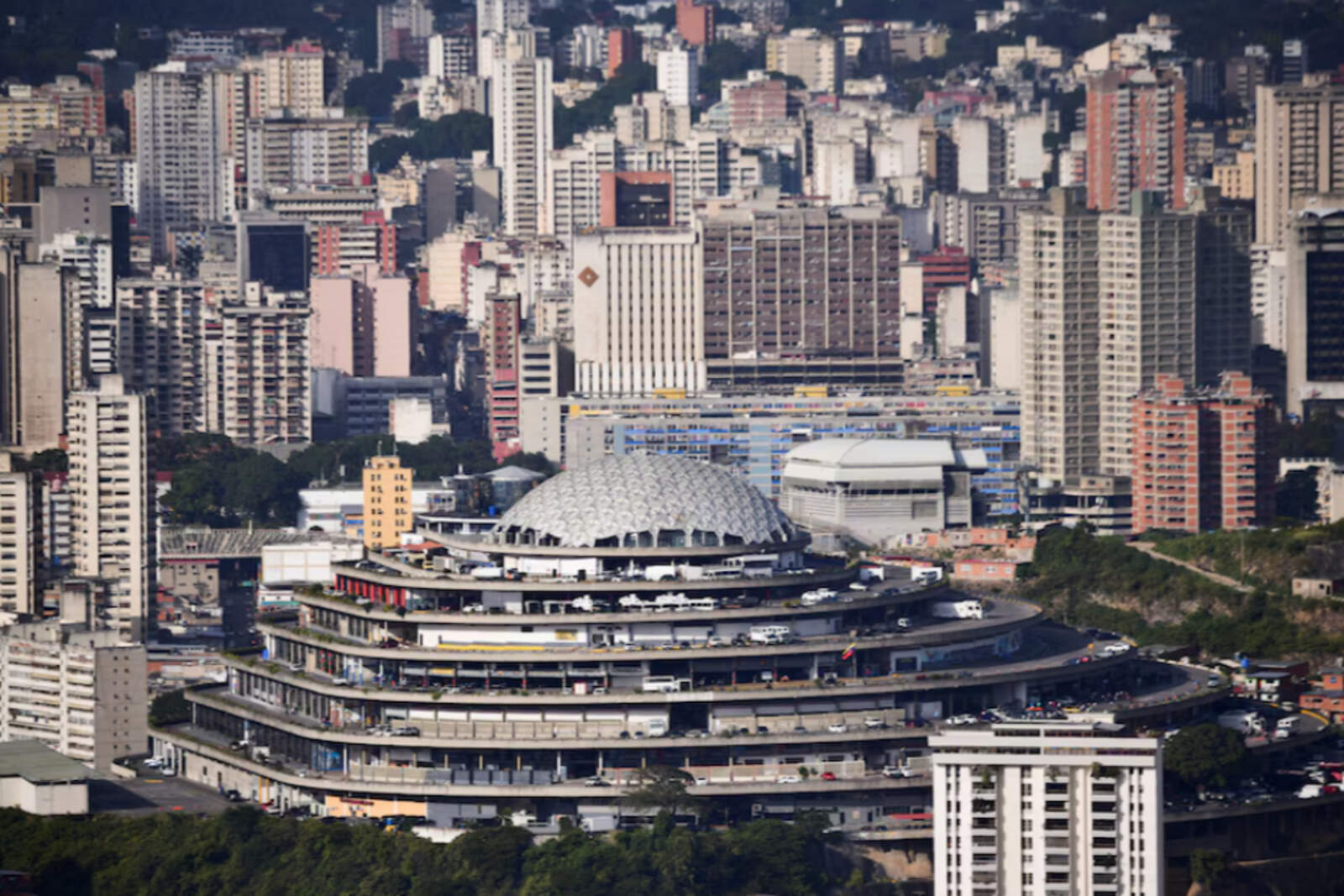
21st-century socialism did not leave "alternative models" or "popular experiences." It left political prisoners, massive exile, and institutional terror. It left states turned into control apparatuses, devastated economies, and broken societies. Venezuela is the most brutal example and, at the same time, the mirror that Kirchnerism refuses to look into. El Helicoide, with more than 850 political prisoners, is the ESMA of Chavismo: torture, persecution, disappearances, prisoners of conscience, and a regime that turned the state into a criminal machine. That is what for years they justified, minimized, or directly applauded from Buenos Aires. They did it in the name of a supposed "popular sovereignty" while millions of Venezuelans fled hunger, repression, and fear.
Trump cancela la segunda fase de ataques en Venezuela tras la liberación de presos políticos
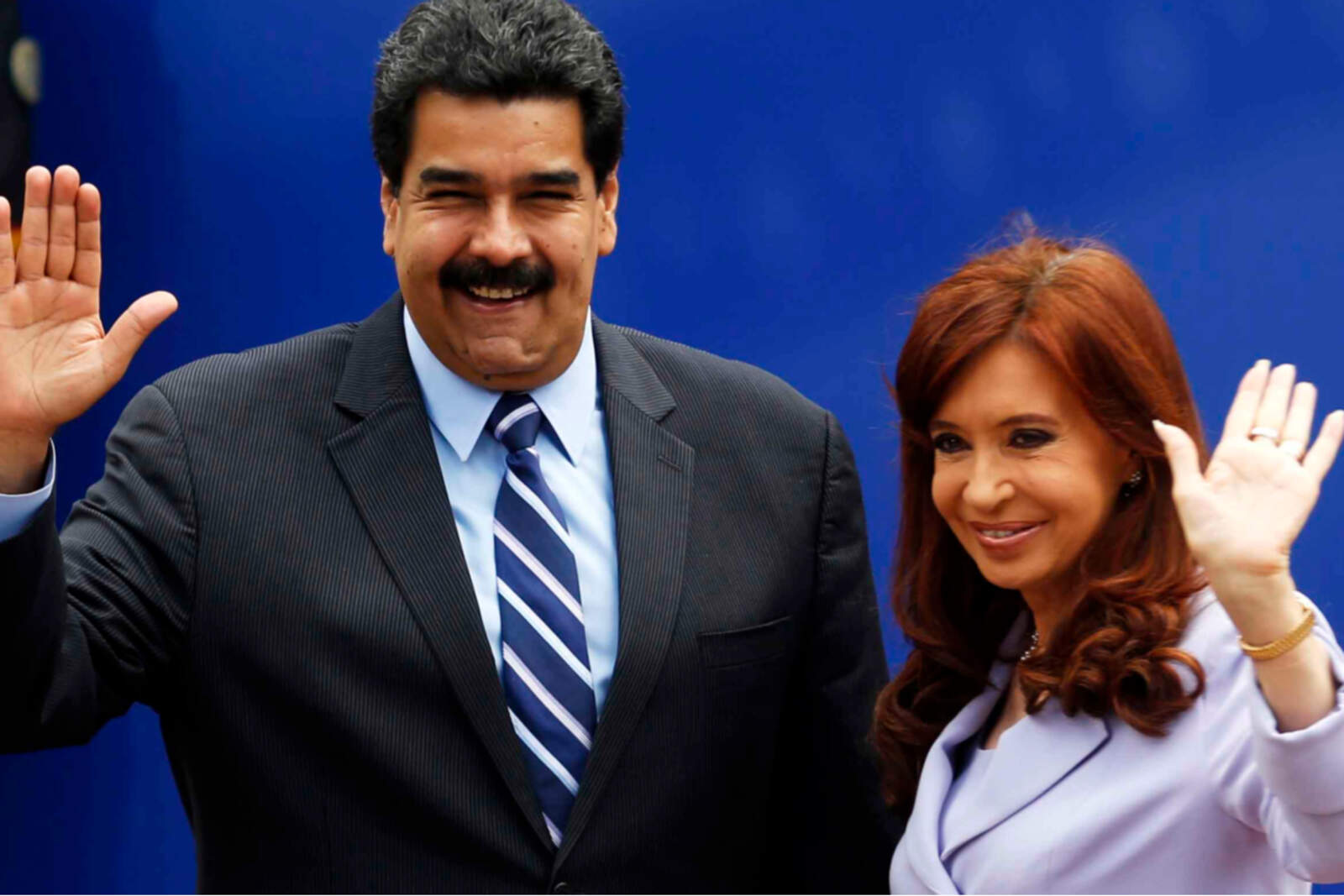
For this reason, Nicolás Maduro's capture is not an isolated event or just another episode on the regional political board. It is a paradigm shift. It is the sign that the continent is beginning to close a stage of planned misery, massive exile, and institutional terror. It is the beginning of the end of a narrative that for two decades romanticized dictatorships while demonizing imperfect but free democracies. The veil of the narrative is beginning to fall. When the narrative falls, the moral responsibility of those who kept silent, downplayed, or looked the other way is exposed.
In the face of that, there is no possible neutrality. Whoever keeps silent, consents. Whoever downplays, is an accomplice. Kirchnerism is once again, once more, on the wrong side of history. Not by mistake, but by conviction. Not out of ignorance, but because of ideological affinity. Its silence was never prudence: it was calculation. Its lukewarmness was never balance: it was complicity.
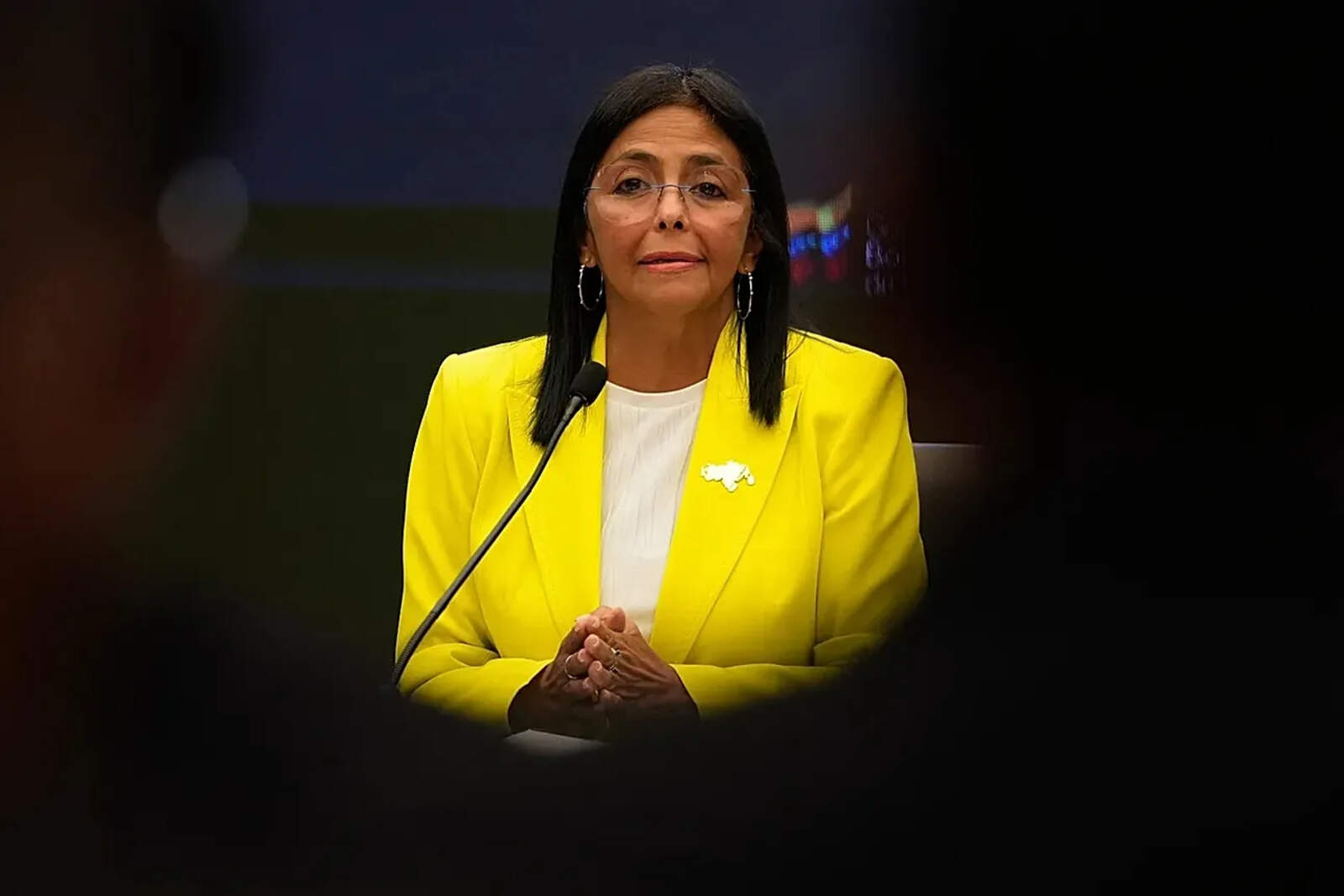
Luego de la captura del dictador Maduro, Delcy Rodríguez quedó a cargo de manera interina del gobierno venezolano
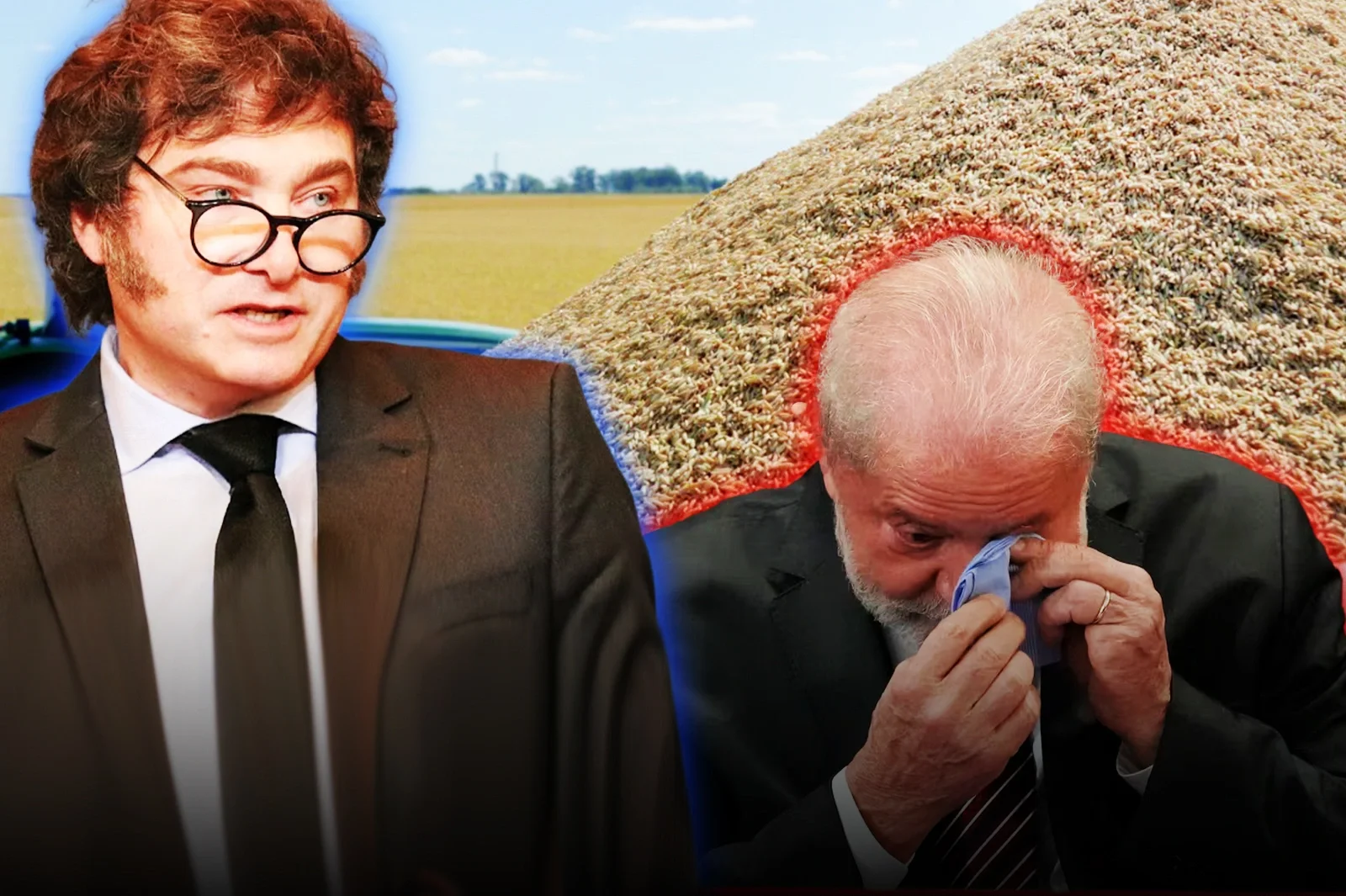
Meanwhile, freedom is advancing. In Argentina, the model of freedom is ceasing to be an abstract promise and is beginning to translate into concrete facts. In 2025, the tax burden was the lowest in the last twenty years: 21.4% of GDP, far from the infamous 26.1% of 2015. That tax relief did not remain on paper: it was reflected in more confidence, more savings, and more investment. Not by chance, private deposits closed the year at 36.681 billion dollars, with 160% growth since Javier Milei took office. At the same time, the Central Bank strengthened reserves through a USD 3 billion REPO, ensuring debt payment and making the prophets of chaos cry, who keep shouting and denying the evidence.
That same change in climate can be seen in the most successful tourist season of the last 25 years. It is being a success without the need for "Previaje," "Plan Platita," or fiscal anabolic steroids: only stability, predictability, and clear rules. Also, public works stopped being synonymous with corruption: infrastructure is returning without bags or notebooks, with the private concession of strategic Mercosur routes, 9,000 kilometers (5,592 miles) without subsidies or money printing. In the energy sector, nuclear production reached a historic record for the second consecutive year. A normal country. With clear rules. With a limited state.
That is, precisely, what bothers the opposition the most. They are bothered that the debt is being paid. They are bothered that there is stability. They are bothered that Venezuela is free. They are bothered that Argentina is climbing out of the populist pit. Because their power has always depended on chaos, lies, and fear. They need crises in order to exist. They need poverty in order to manage. They need narrative in order to hide failure.
Today the dilemma is clear and doesn't admit gray areas. Freedom or decadence. Order or looting. Seeing reality or continuing to campaign for the lie. History has already begun to write its verdict. This time, there is no room for accomplices.