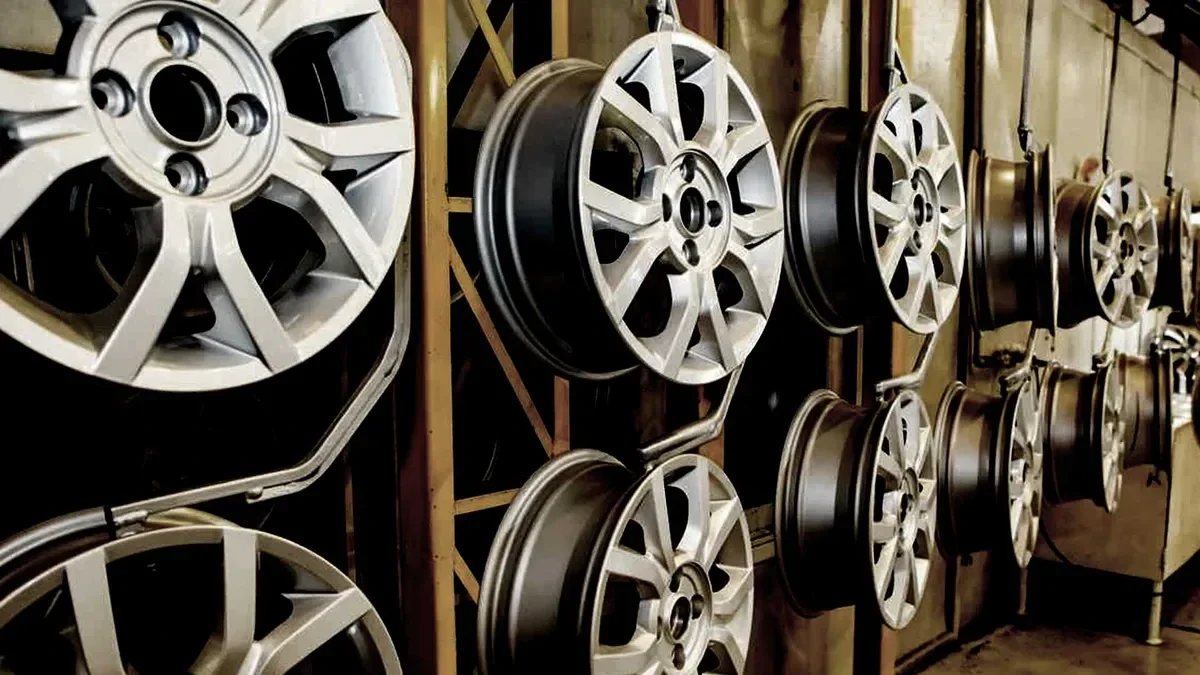
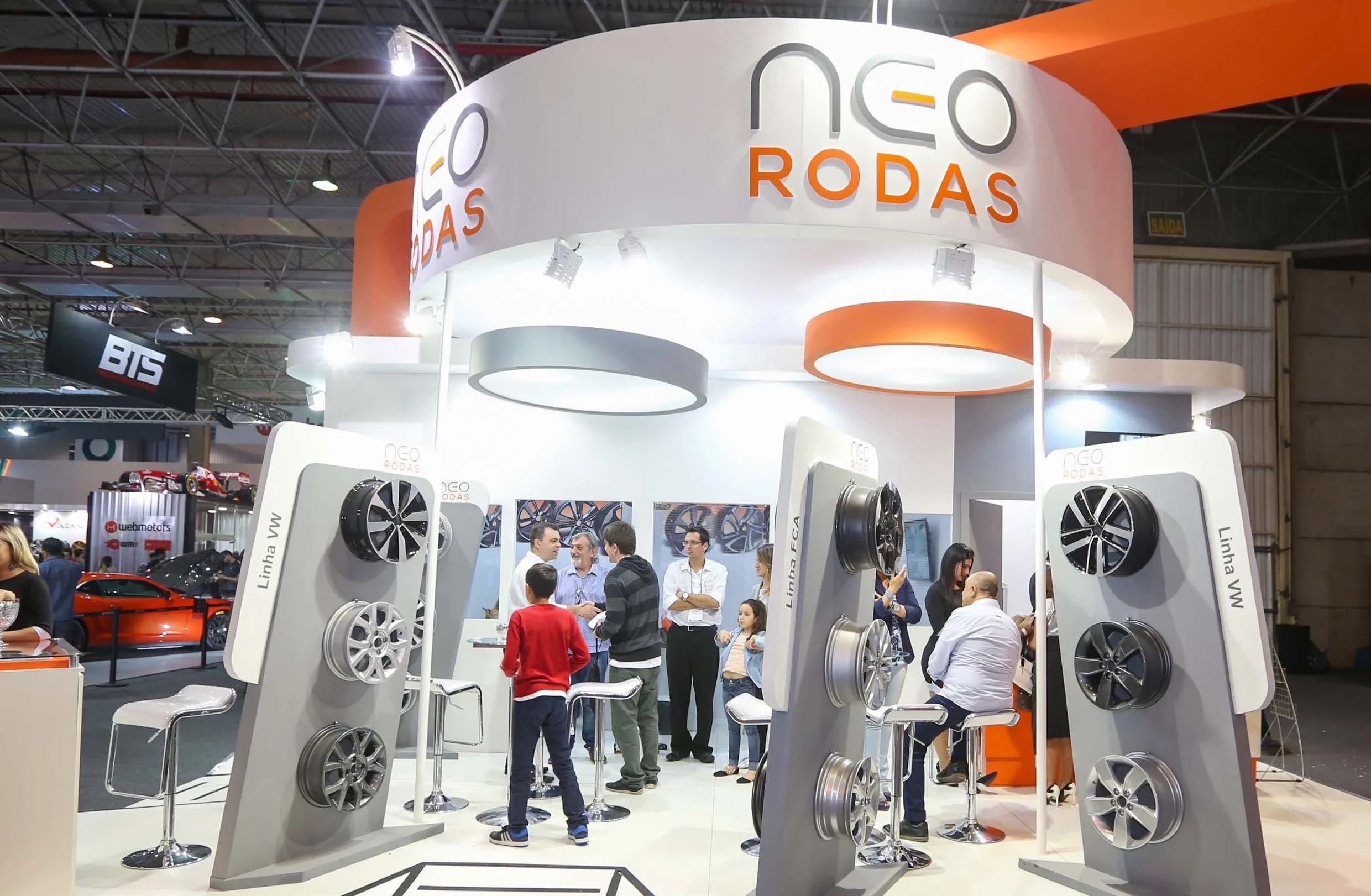
The Brazilian company Neo Rodas will start the production of aluminum wheels in Zárate together with Grupo Mirgor and aims to supply the automotive terminals in the country.
The Argentine automotive industry will add a new productive investment starting in July, when the Brazilian company Neo Rodas begins manufacturing aluminum wheels in the Buenos Aires city of Zárate in partnership with Grupo Mirgor. The project aims to supply automotive terminals located in the country, increase local integration of auto parts, and generate new export opportunities to regional markets.
The initiative was confirmed by the mayor of Zárate, Marcelo Matzkin, who highlighted that the company will reach a production capacity of 1.2 million wheels annually by March 2027, becoming the largest factory in the sector in Argentina. The venture is part of a strategy to consolidate the city as one of the main industrial and automotive hubs in the country.
The Brazilian group decides to invest in Argentina.
The plant will specialize in the production of large-diameter aluminum wheels primarily intended for pickups and other vehicles manufactured by automotive terminals in the region. According to industry sources, the goal is to replace Brazilian imports in a segment where local production is currently limited, reducing logistics costs and strengthening the chain of national suppliers.
The project will be developed through Neo Rodas Merco S.A., a partnership formed by Grupo Mirgor, which holds a 60% stake, and Neo Rodas, with the remaining 40%. While the Brazilian company will contribute its industrial and technological expertise, Mirgor will lead local operations and production expansion.
In addition to the industrial impact, the investment will generate more than 150 direct jobs and will require specialized technical profiles for the manufacturing processes. The chosen location was not random: Zárate concentrates important automotive terminals and has strategic logistical infrastructure that facilitates the supply of factories and the distribution of production.
The Brazilian giant decides to compete from Argentina.
The arrival of Neo Rodas occurs in a context of recovery of productive investments and a search for greater competitiveness for the Argentine automotive sector. Despite the fact that vehicle production showed a year-on-year decline during the first months of the year, exports continue to grow and several terminals
The launch of Neo Rodas represents a new step in the industrial expansion of the group and a positive signal for the Argentine auto parts sector, which seeks to increase local production, reduce dependence on imported components, and take advantage of the growth in regional demand.