





The singer refused to perform war-themed corridos and sparked a wave of violence among attendees




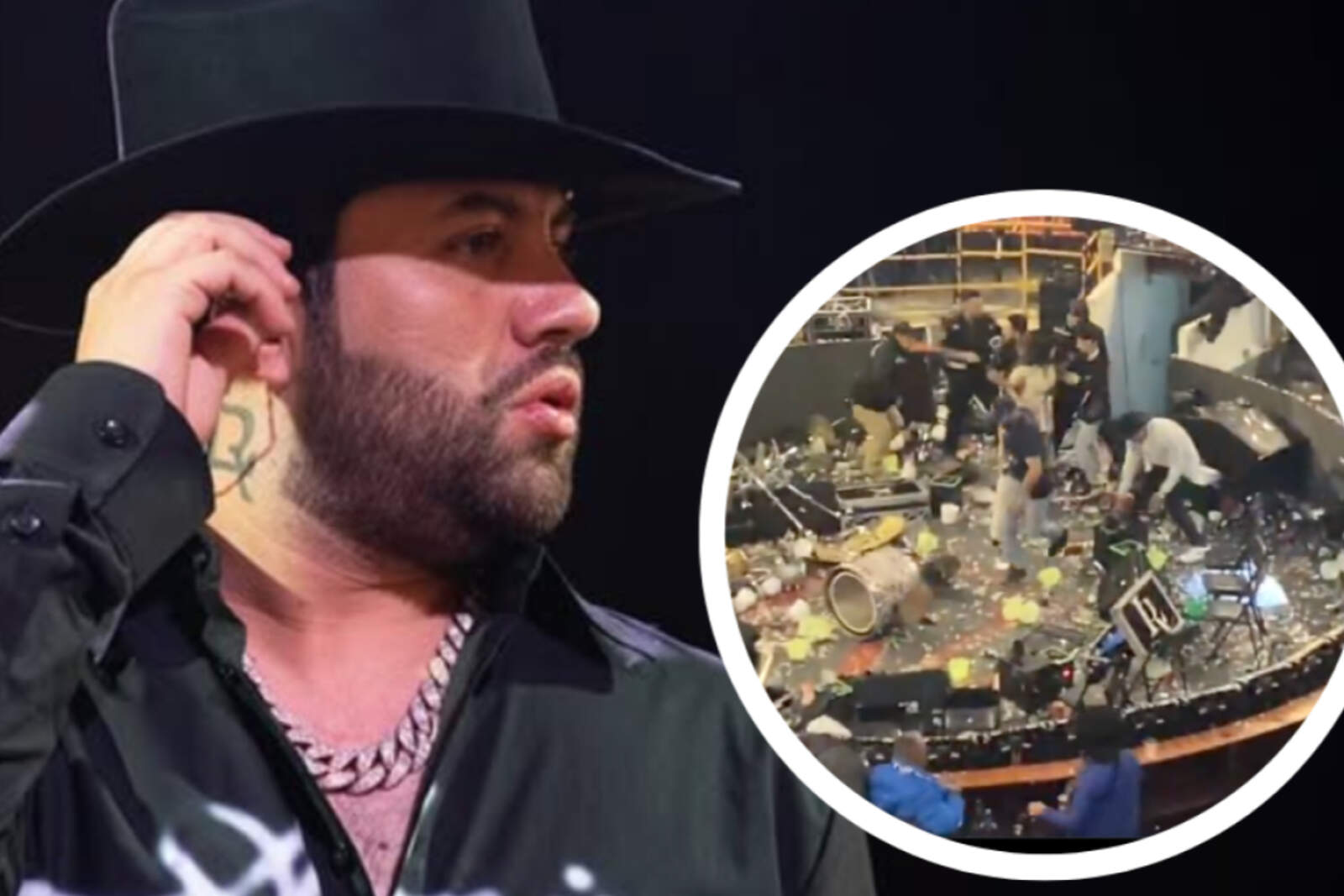
The night of April 11, the Palenque de la Feria del Caballo in Texcoco became a scene of chaos and violence.
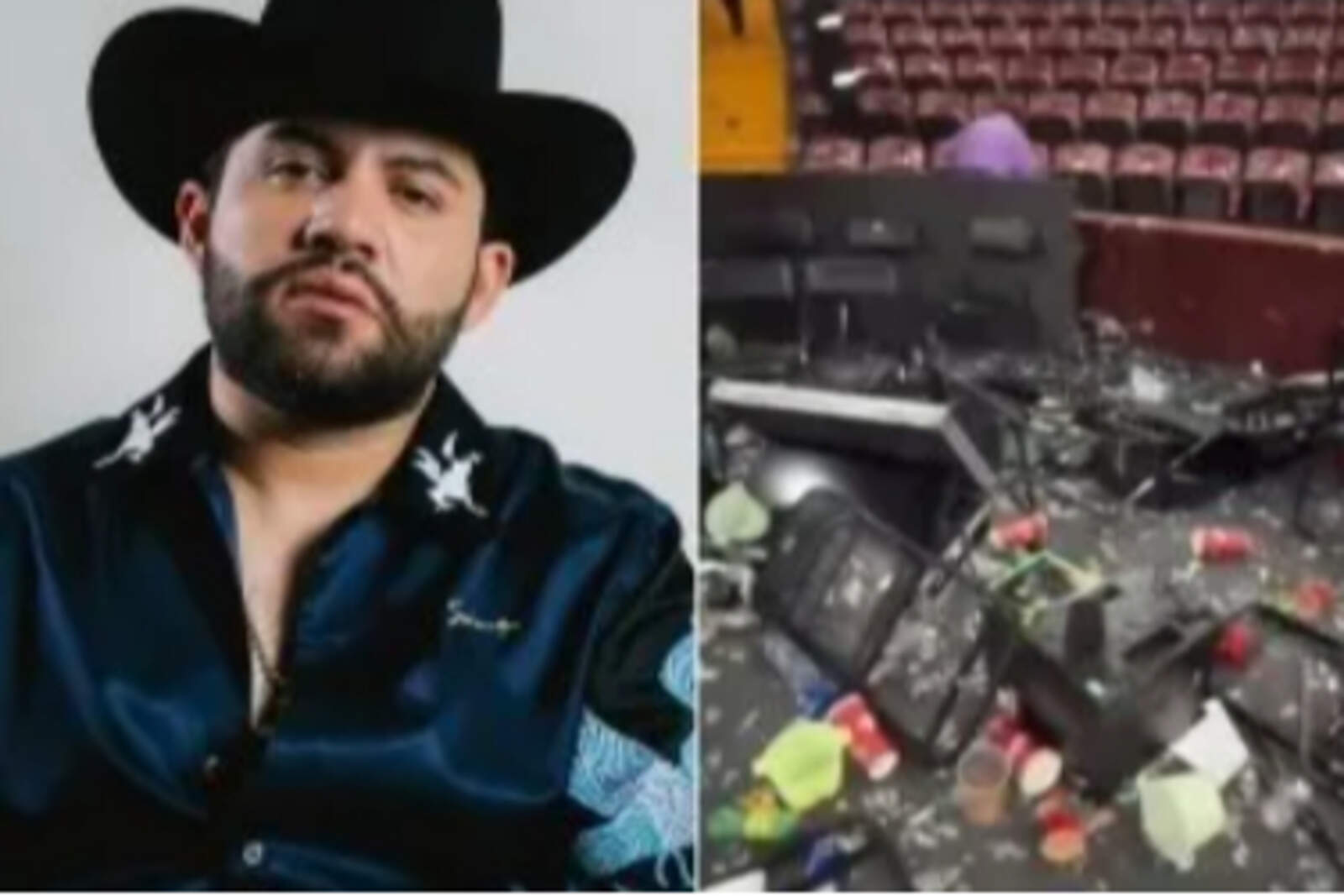
Everything began when the singer Luis R. Conríquez refused to perform corridos bélicos during his performance. This decision provoked the anger of a part of the audience who, unable to contain their frustration, began to destroy furniture, instruments, and sound equipment.
The events were recorded in multiple videos shared on social media. In them, it is seen how dozens of attendees throw objects, kick the stage, and damage the venue's infrastructure.
This type of reaction highlights the deep cultural decay that part of our society is experiencing. The fanaticism for the so-called narcocorridos—which glorify violence, organized crime, and drug use—has crossed the limits of what is tolerable.
That a part of the audience responds with vandalism to an artist's refusal to meet such demands reflects a concerning loss of values.
The musical culture that idealizes the figure of the criminal not only degrades art but also reinforces the anti-values that have caused so much harm to Mexico in recent decades.
This music, with its decadent content, has found fertile ground among young people who react with violence when tribute is not paid to the criminal narrative.
The vandalism that occurred in Texcoco can't and should not go unpunished. Local authorities must investigate the events and apply exemplary sanctions against those responsible for the destruction. But beyond that, this incident is an urgent call to recover the cultural direction of the nation.
Mexico can't continue normalizing the apology of crime under the excuse of "artistic freedom." Music, like all art, must build, not destroy; it must elevate the spirit, not subject it to the whims of a culture that idolizes the hitman.