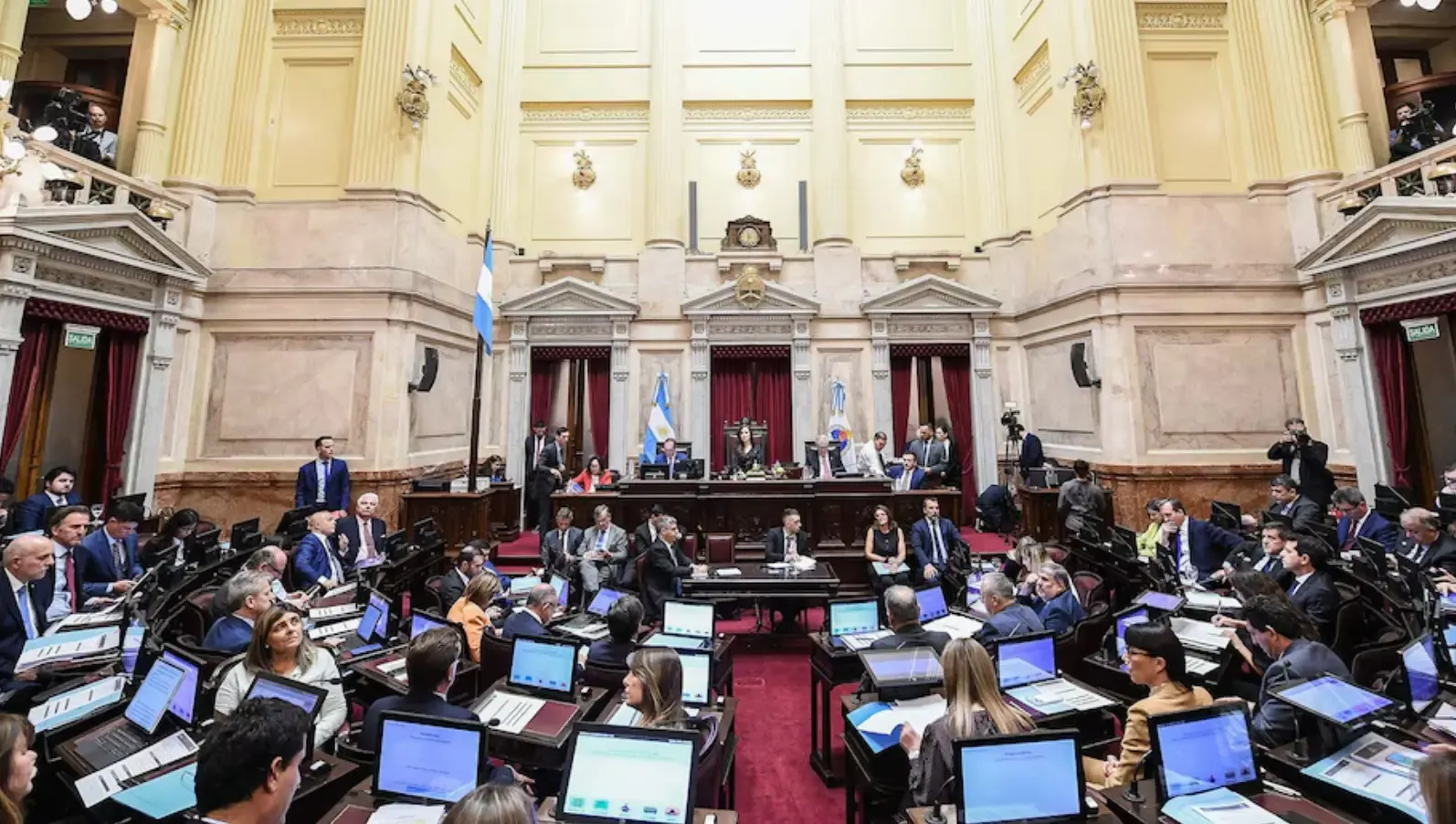

The economic map of Argentina has changed forever thanks to the firm conviction of the Government of Javier Milei. After the legislative process was completed this Thursday, the Chamber of Deputies definitively sanctioned the comprehensive reform of the Organic Charter of the Central Bank of the Argentine Republic (BCRA) by an overwhelming majority of 141 votes in favor, 0 votes against, and 99 abstentions from the PJ.
The historic initiative driven by the Executive Power radically redefines the functions, powers, and operational rules of the country's highest monetary authority. The government's objective is categorical: to strengthen the functional and financial independence of the BCRA, eradicate from the root the assistance to the public sector that generated the greatest inflationary imbalances in our recent history, and concentrate all the power of the entity in a sacred mandate. Below are the 9 pillars of transformation that this historic ordinance brings:

Unique and exclusive mandate:
The reform structurally modifies Article 1 of the Organic Charter of the BCRA, establishing that the "unique, primary, and fundamental function" of the entity will be "to preserve the value of the currency".
With this historic change, the Government of Javier Milei buries the populist scheme established in 2012, which forced the Central Bank to multiply its goals towards objectives of "monetary and financial stability, employment, and economic development with social equity". As the official grounds indicate, the multiplicity of goals from the past only generated conflicts between monetary decisions and the urgencies of state financing, making any performance evaluation difficult. Furthermore, the board will no longer direct credits to small and medium-sized enterprises or regional economies, as such actions "belong to a development bank and not to a central bank".
Clear rules and institutional shielding
To guarantee functional and financial independence, the regulation establishes a rigorous mechanism for the appointment and stability of the president and directors of the BCRA. They will be proposed by the Executive Power, but their appointment will require the agreement of the Senate by absolute majority. The officials will serve for terms of 6 years, with the option for re-election.
Additionally, strict grounds for removal are established, such as "supervening incapacity, certain disqualifications, or a serious and manifest fault, based on precise and unequivocal facts". In the legislative treatment, the upper house removed the original proposal that required the intervention of 2/3 of the legislators present from both chambers of Congress, also preventing any unilateral removal by the Executive Power outside the established grounds. As a sign of absolute technical transparency, the law definitively eliminates the interference of the bicameral commission created in 2010.

Strict prohibition of monetary financing to the National Treasury
One of the major milestones of Javier Milei's administration is to drastically cut financing to the Treasury through the indiscriminate issuance of banknotes. The project's foundations are compelling, stating that "monetary assistance to the public sector is one of the factors that contributed to monetary imbalances and inflationary processes in recent decades".
Under the new legality, monetary policy is completely dissociated from fiscal needs. The Treasury will be obliged to cover all its expenses and investments through budgetary resources, legitimate revenue, or foreseen borrowing mechanisms, without resorting under any circumstances to the issuance of the Central Bank.
Extension of maturities and definitive cleaning of the balance sheet
Regarding the liabilities that the national State maintains with the monetary authority, the reform establishes a treatment of strict accounting cleaning:
Temporary advances: The maturity periods of the financial assistance granted to the Treasury will be automatically extended until its full cancellation.
Non-transferable notes: They will retain the conditions and maturities agreed upon at the time of their issuance, subject to the provisions of each budget law.