Until the inauguration, the two countries had air and rail connections, but lacked a permanent road link. The only land alternative involved placing wooden planks over the railway bridge to allow, through special agreements, the occasional passage of vehicles.
Satellite images released in May showed that the bridge, approximately one kilometer long, was accompanied by new access roads, a border post, parking lots and other facilities designed to facilitate transit.
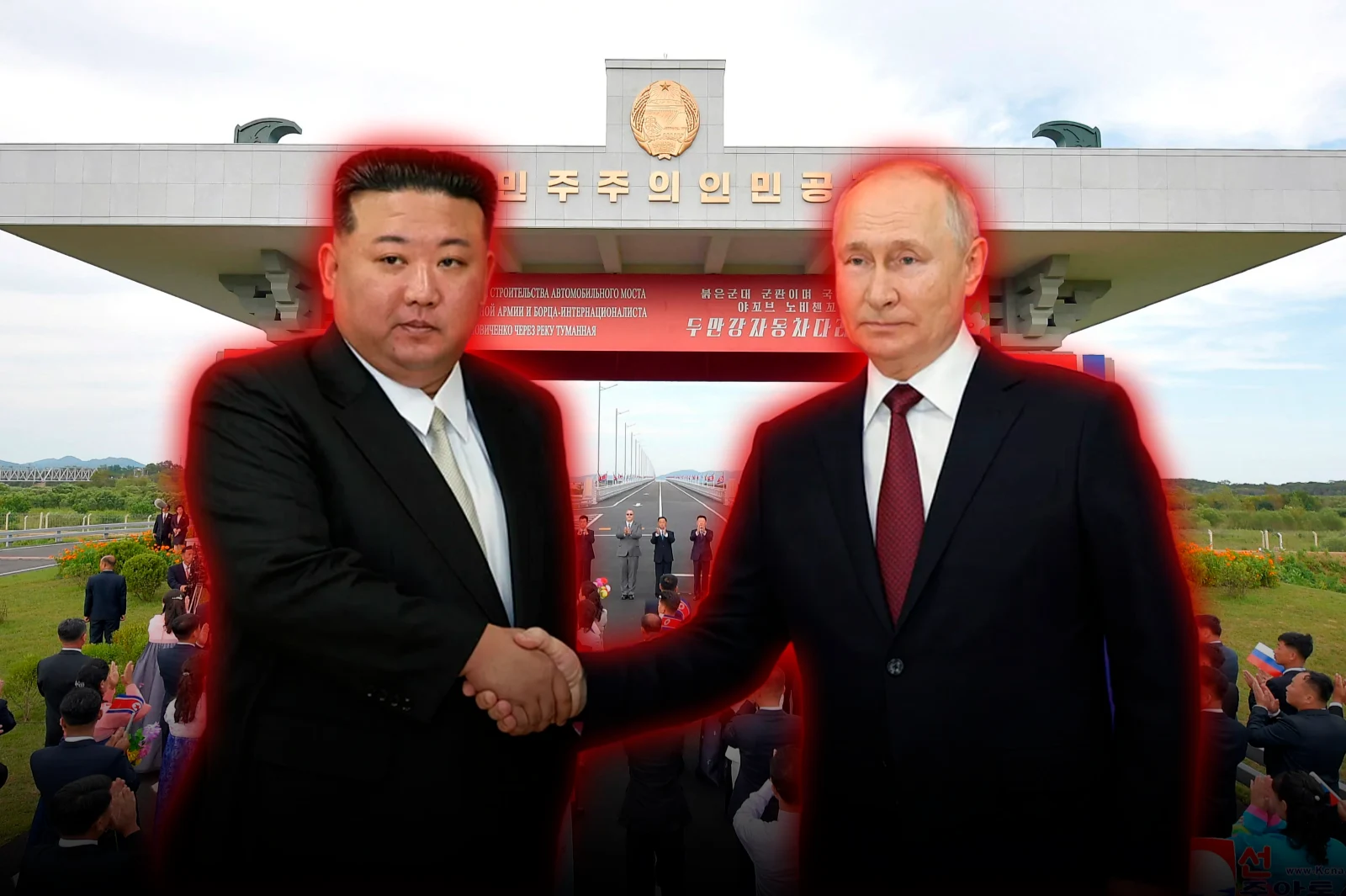
North Korea and Russiainaugurated the first road bridge directly connecting both countries over the Tumen River, a new infrastructure that will expand the transport of goods and passengers and could further strengthen strategic cooperation between Moscow and Pyongyang.
The new land connection represents a significant advance for two governments that have significantly tightened their relations since the start of the war in Ukraine. The bridge will establish a permanent route for vehicle transit between both territories, replacing the provisional solution that for years allowed cars to cross the existing railway bridge.
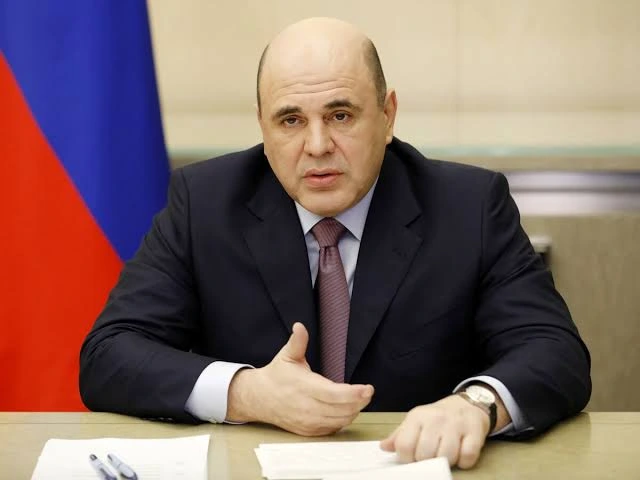
North Korean state media reported that the infrastructure will be used to facilitate the exchange of personnel, tourism, and trade. Russian Prime Minister Mikhail Mishustin described the bridge as a ''new symbol of friendship,'' while North Korean Prime Minister Pak Thae Song referred to its inauguration as a ''historic event.''
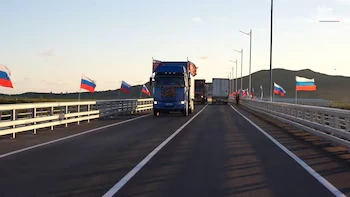
The Russian government praised the construction of the new bridge
According to a Russian state news agency, the bridge will have the capacity to allow the passage of up to 300 vehicles and 2,323 people daily. The Russian government indicated that, during the first phase, the infrastructure will primarily be used for transporting goods, while passenger transit will begin later this year.
The new link also raises concerns in Ukraine due to its potential military use. A Ukrainian investigative organization claims that the bridge could primarily become a covert military logistics corridor intended to facilitate North Korea's support for Russia in the war against Ukraine.
The organization noted that the strategic partnership treaty signed by Moscow and Pyongyang in 2024 could allow the new infrastructure to be used to transport North Korean military personnel, construction workers, and high-ranking officials to Russia. It would also facilitate the movement in the opposite direction of Russian technology and resources to North Korea.
The bridge will allow around 300 vehicles and more than 3,000 people daily, and it is estimated that it will be used for military purposes
Construction began in 2025, after Russian President Vladimir Putin visited North Korea in 2024, his first visit to the country in 24 years. The meeting culminated in an agreement to deepen bilateral cooperation and the signing of the strategic partnership treaty. The project took 495 days to complete after experiencing some delays.
One of the main impacts of the new route could be related to the increase in North Korean supplies to Russia. Researchers from South Korea's intelligence agency estimate that Pyongyang has already transferred between $7 billion and $14 billion in rockets, missiles, and artillery shells to Russia via ships.
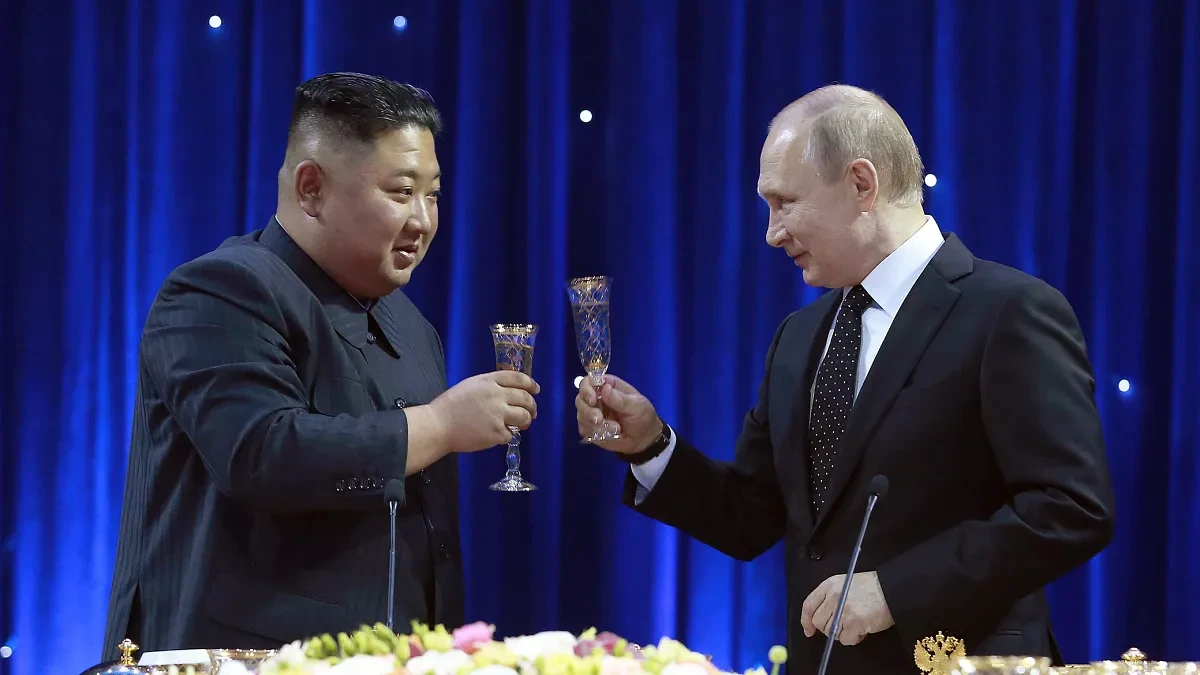
Vladimir Putin recently visited North Korea and signed an agreement to strengthen bilateral cooperation
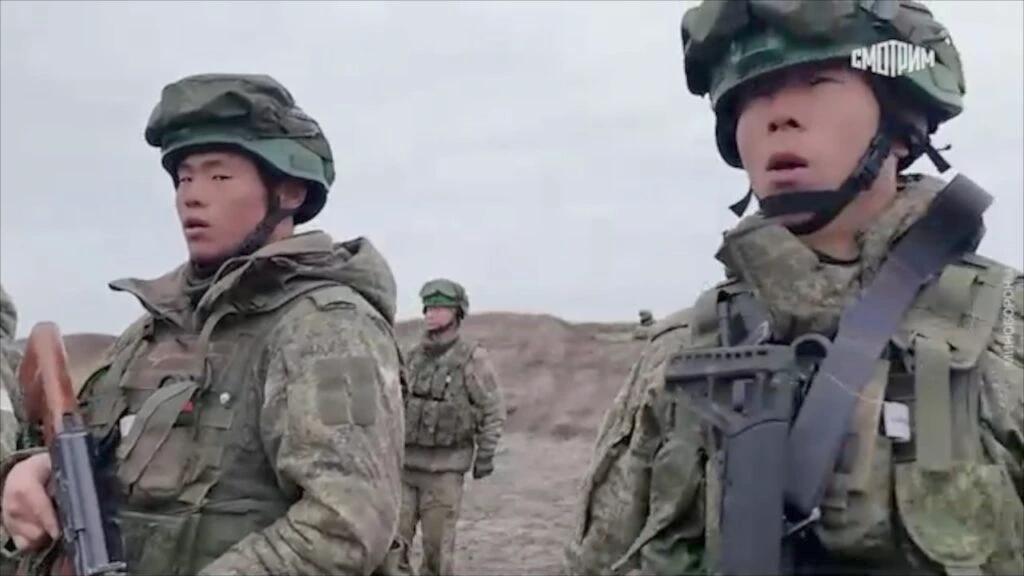
Additionally, it is estimated that around 11,000 North Korean soldiers are involved in activities related to the war on Russian territory. The new bridge could also facilitate the transfer of North Korean workers. According to South Korean estimates, about 10,000 North Korean citizens work in Russia in sectors such as construction and logging.
Although the United Nations prohibits countries from employing North Korean workers abroad, some of these workers may have entered Russia using student visas. The new connection could facilitate the movement of these individuals and expand labor exchanges between both countries.
In turn, Russia could increase the shipment of technology, resources, and other goods to North Korea, deepening an economic relationship that has expanded alongside military cooperation.
Around 11,000 North Korean soldiers are involved in the war in Ukraine on Russian territory