The oral proceedings will address alleged bribes and kickbacks in public works between 2003 and 2015
Compartir:
This Thursday, the trial for the so-called "Cuadernos Case" began, one of the most extensive investigations into corruption in national public works. The process will be overseen by Federal Oral Court 7 of Buenos Aires and will be conducted virtually due to the number of defendants. The case file lists more than 80 accused individuals, including four prominent businessmen with direct ties to Córdoba.
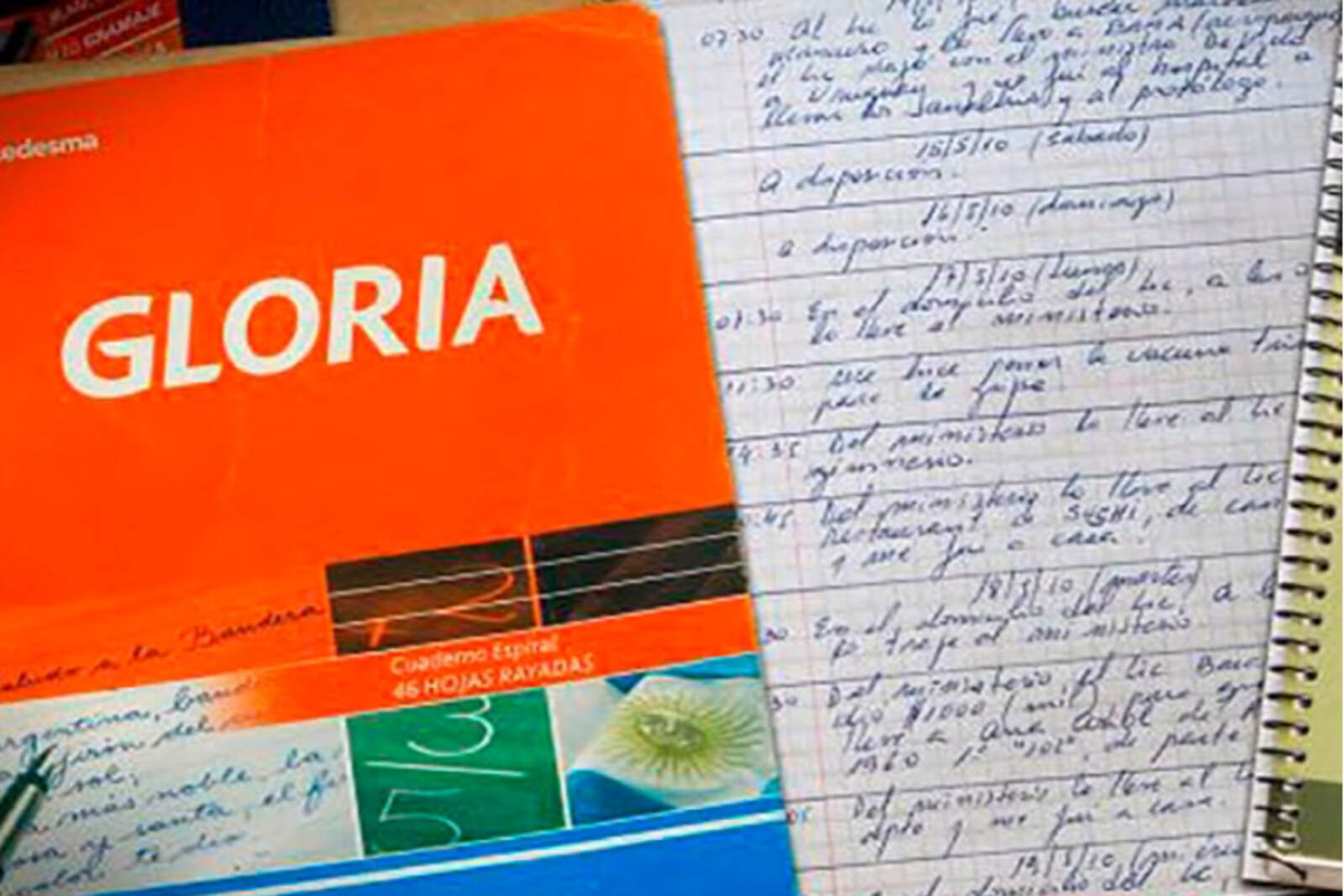
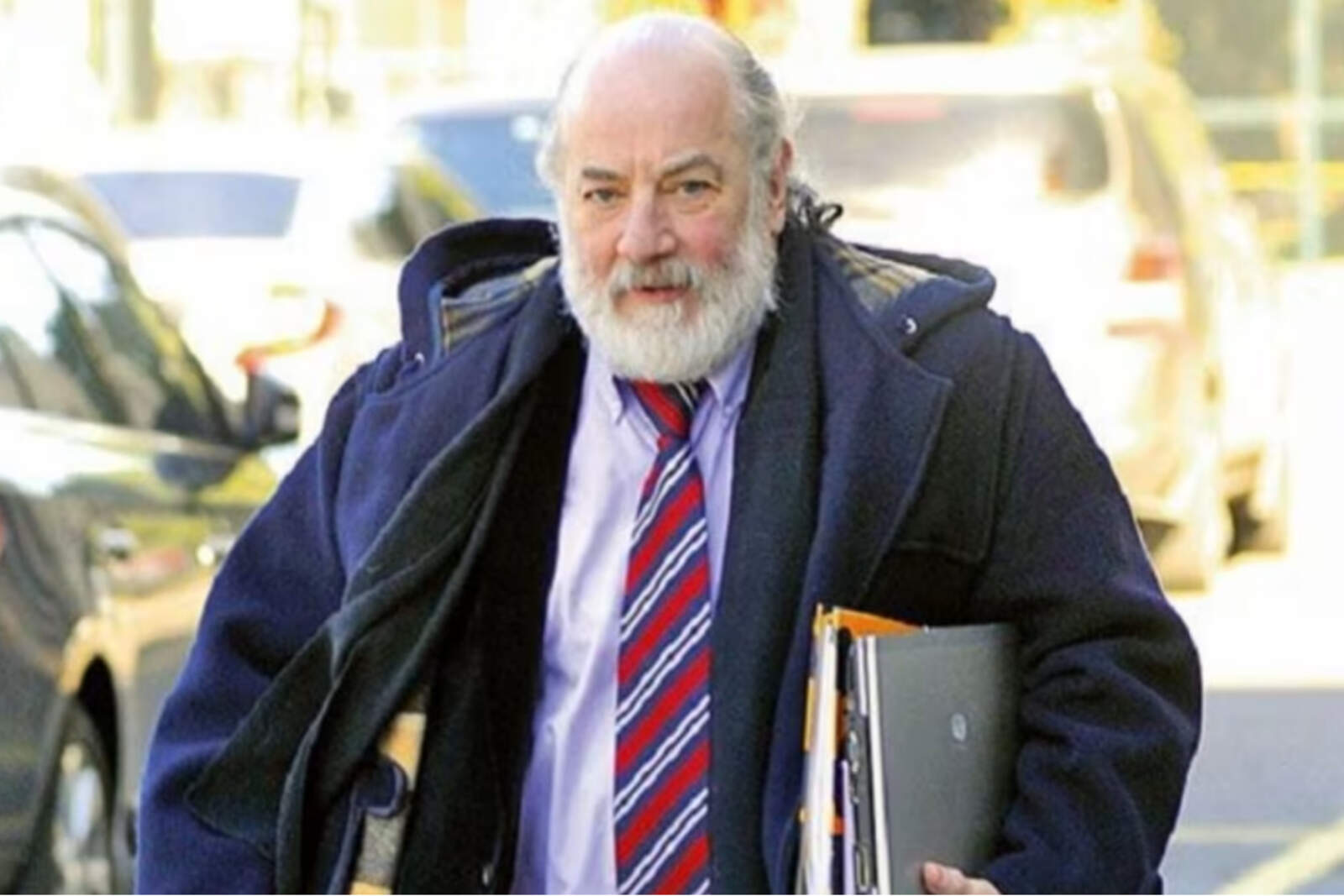
Aldo Roggio, Gerardo Ferreyra, Osvaldo Acosta, and Juan Carlos de Goycoechea were indicted at the time by Judge Claudio Bonadío. Investigators are analyzing alleged crimes of illicit association, bribery, and cover-up committed during the 2003-2015 period. The case originated from the notebooks of driver Oscar Centeno, where alleged deliveries of money to former officials were detailed.
The four businessmen were involved in companies linked to large-scale projects and state contracts during the Kirchner administrations. Some admitted to making payments as "kickbacks," while others denied the accusations, attributing them to judicial persecution. The prosecution keeps that there was a collection scheme involving officials and state contractors.
Los 4 empresarios cordobeses acusados fueron procesados por el juez Claudio Bonadío
Aldo Roggio and the legacy of a century-old group
Aldo Roggio, former president of Grupo Roggio, acknowledged having made payments to officials within the framework of the transportation subsidy system. As a cooperating witness, he stated that he returned a percentage of those funds to ensure the continuity of the concessions under his management. His offer to pay the State 1.875 billion pesos (4.13 million USD) was rejected, and his case remains part of the proceedings.
The businessman, 81 years old, no longer participates in the management of the holding company, having transferred his shares to his children in 2020. His inner circle believes that the process may extend for years, given the magnitude of the case file and the number of defendants. The company as a legal entity is not implicated in the case, although its name appears repeatedly in the investigation records.
Grupo Roggio, founded 112 years ago, is one of the country's most traditional companies and is involved in transportation, services, and construction. Under Aldo Roggio's presidency, the firm operated in key areas such as Metrovías and Aguas Cordobesas, among others. The businessman stated that political pressures made it "impossible" to refuse payment demands imposed to maintain existing contracts.
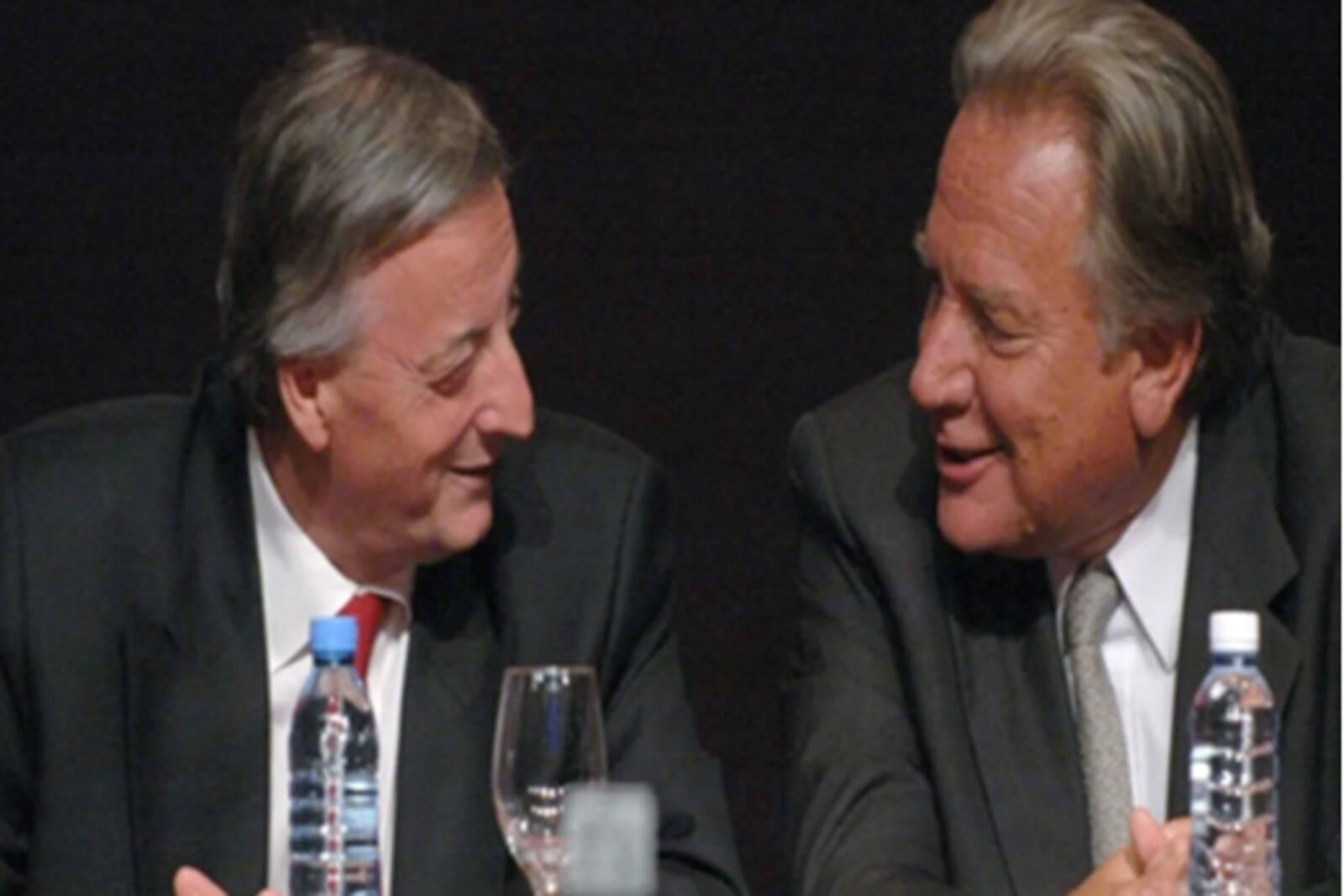
Esperable: el empresario Aldo Roggio era cercano al kirchnerismo
Ferreyra, Acosta, and De Goycoechea before the court
Gerardo Ferreyra, longtime executive of Electroingeniería—now Eling SA—is among the most prominent businessmen in the case file. He admitted to making contributions during the Kirchner governments, although he attributed them to his political identification and not to illegal payments. Along with his partner Osvaldo Acosta, he is no longer part of the company's management, which remains active in the energy sector.
Ferreyra offered 438 million pesos (966,000 USD) to reach a judicial agreement, a proposal that was also rejected by the court. Acosta, meanwhile, faces charges of active bribery and participation in an illicit association dedicated to collecting bribes. Records mention him for having obtained public works contracts through improper payments to national officials.
The fourth Córdoba businessman involved is Juan Carlos de Goycoechea, former CEO of Isolux Corsan Argentina, an energy multinational with a presence in the country. A lawyer by profession, he, along with other executives, offered 1.6 billion pesos (3.53 million USD) to avoid trial, without success. His testimony before the prosecution placed him among the cooperating witnesses who provided details about meetings, money transfers, and collection mechanisms.
Federal Oral Court 7 anticipates a lengthy process, which will be conducted in stages and with virtual hearings to facilitate logistics. The Cuadernos case involves former officials, businessmen, and political leaders, and constitutes one of the largest case files in Argentine justice. With this beginning, a new judicial phase opens, aimed at clarifying one of the largest chapters of corruption involving national public works.