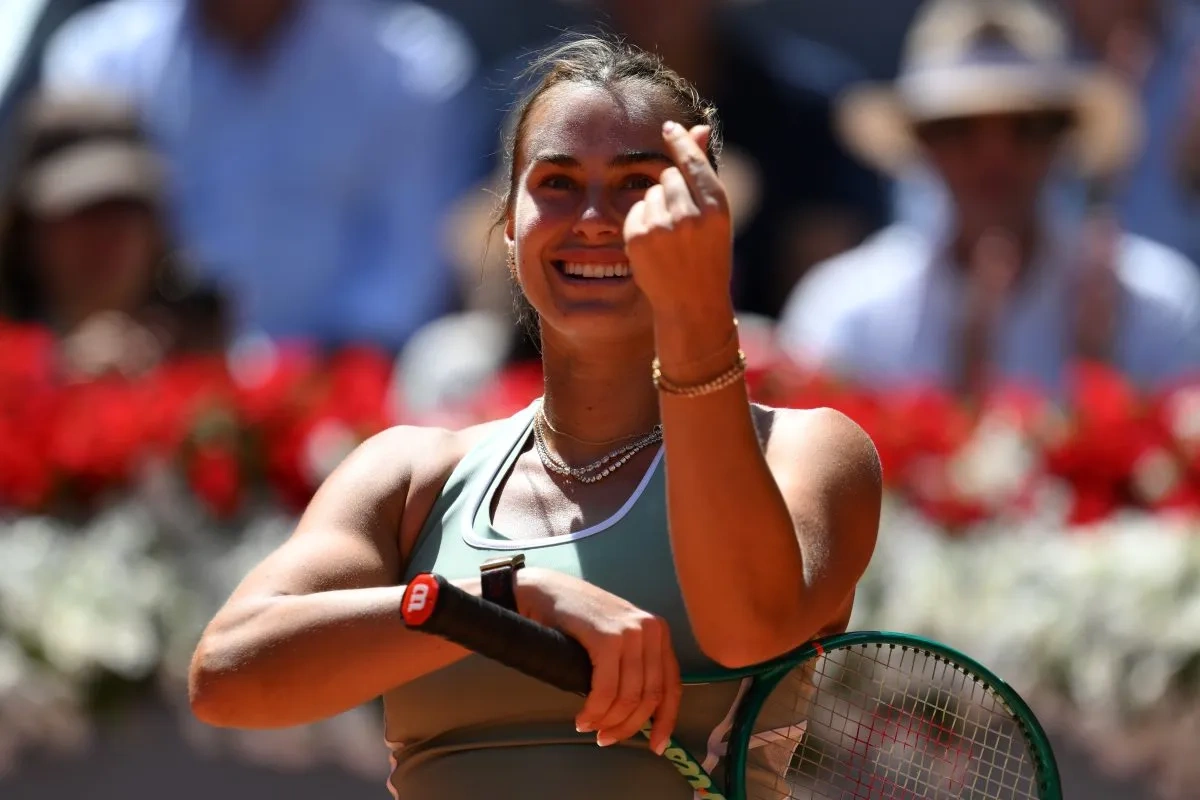
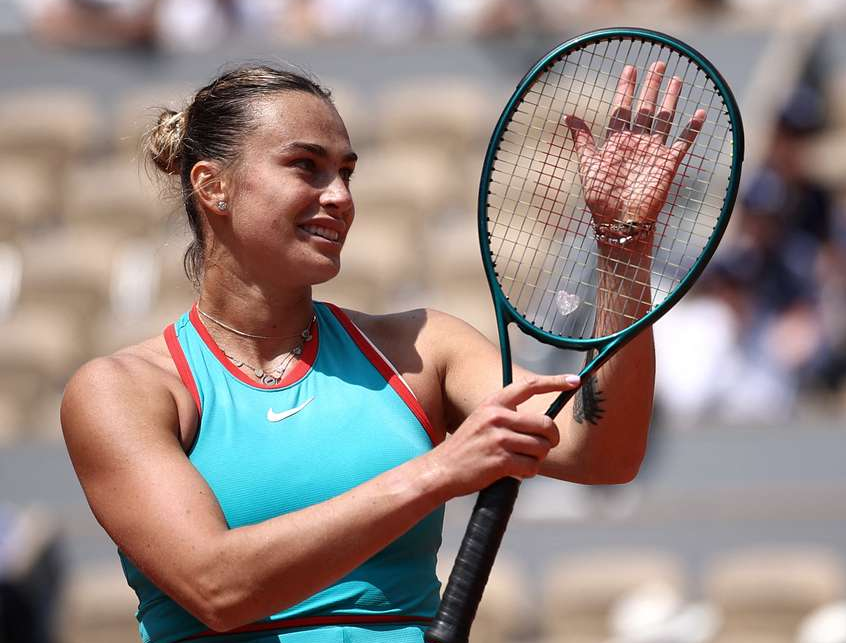
Less than a month after the start of Roland Garros, the world tennis circuit is in a fierce conflict following the statements of Aryna Sabalenka, who called for a better distribution of income and did not rule out a boycott of the most important tournaments.
The number one in the world was overwhelming in the preview of the WTA 1000 in Rome, where she made clear the players' discomfort: “We put on the show. Without us there would be no tournaments, without us there would be no entertainment, I think we deserve to be paid better
.” Sabalenka demands better Grand Slam prizes
With a little more intensity, Sabalenka warned that, in the absence of concrete answers, drastic measures could be taken: "At some point we will have to resort to boycotting if it is the only solution to defend our rights.” In addition, he questioned that some conditions in the Grand Slams "are really unfair
”.
The claim for today's best women's racket is not new. In April 2025, leading figures from the ATP and the WTA signed a letter addressed to the organizers of the Australian Open, Roland Garros, Wimbledon and the US Open demanding that thepercentage of revenue allocated to
players reach 22%.
Although tournaments increased prizes, as in the case of Roland Garros, which announced a 9.5% increase for its 2026 edition, tennis players consider that the improvement is insufficient. According to Sabalenka and Jannik Sinner (currently No. 1 for men), the portion allocated to players will remain below 15%, far from the stated objective
.
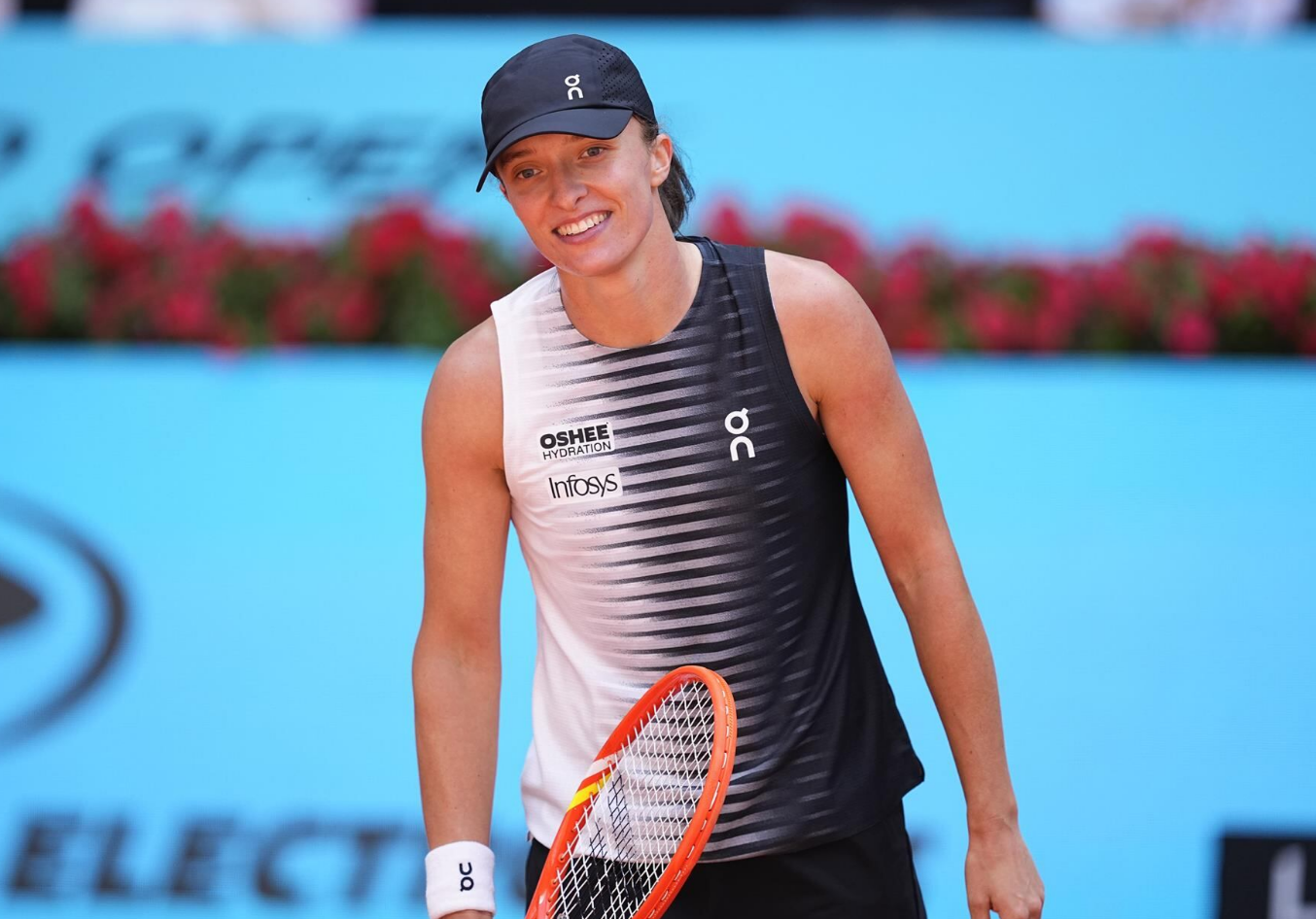
Amid the tension, other voices in the circuit called for caution. The Polish Iga Swiatek, currently number three in the ranking, considered that a boycott would be “a bit extreme solution” and opted for dialogue: "The most important thing is to communicate and negotiate. Let's hope that before Roland Garros there will be the possibility of a meeting
.” Iga Swiatek prefers to negotiate rather than threaten
With the second Grand Slam of the year just around the corner, the conflict puts economic distribution in professional tennis at the center of the debate and opens up an uncertain scenario if there is no progress in