








The motion of censure promoted by Social Democrats and the right wing opens up political and economic uncertainty in Romania.
Compartir:
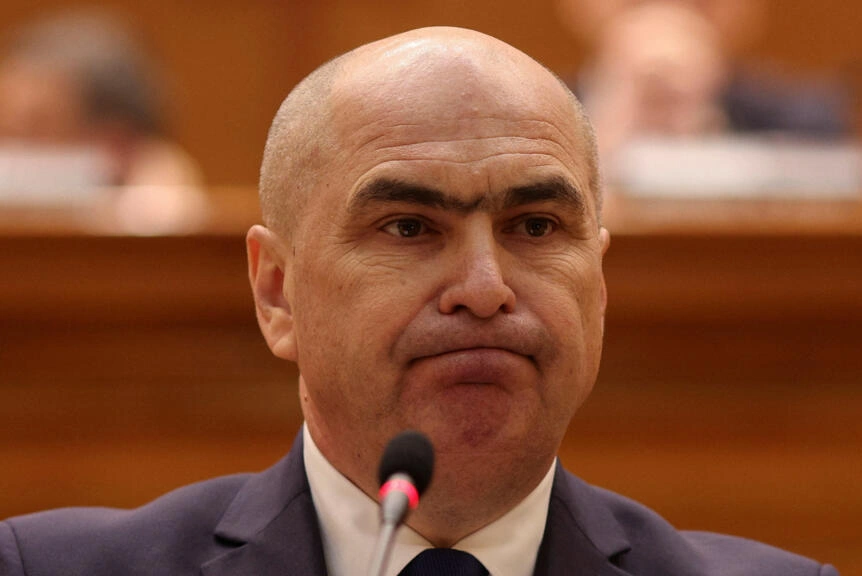
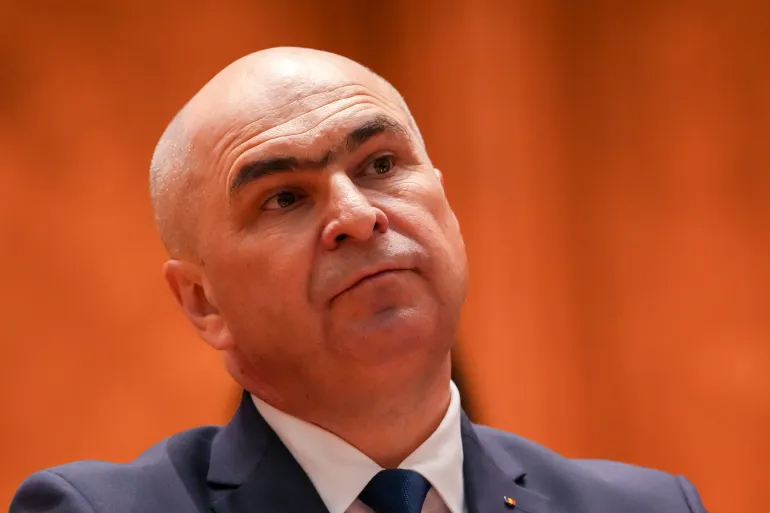
The Romanian Parliament dismissed Prime Minister Ilie Bolojan on Tuesday after approving a motion of censure that obtained 281 votes, well above the 233 needed, plunging the country into a new phase of political uncertainty with possible economic and strategic repercussions.
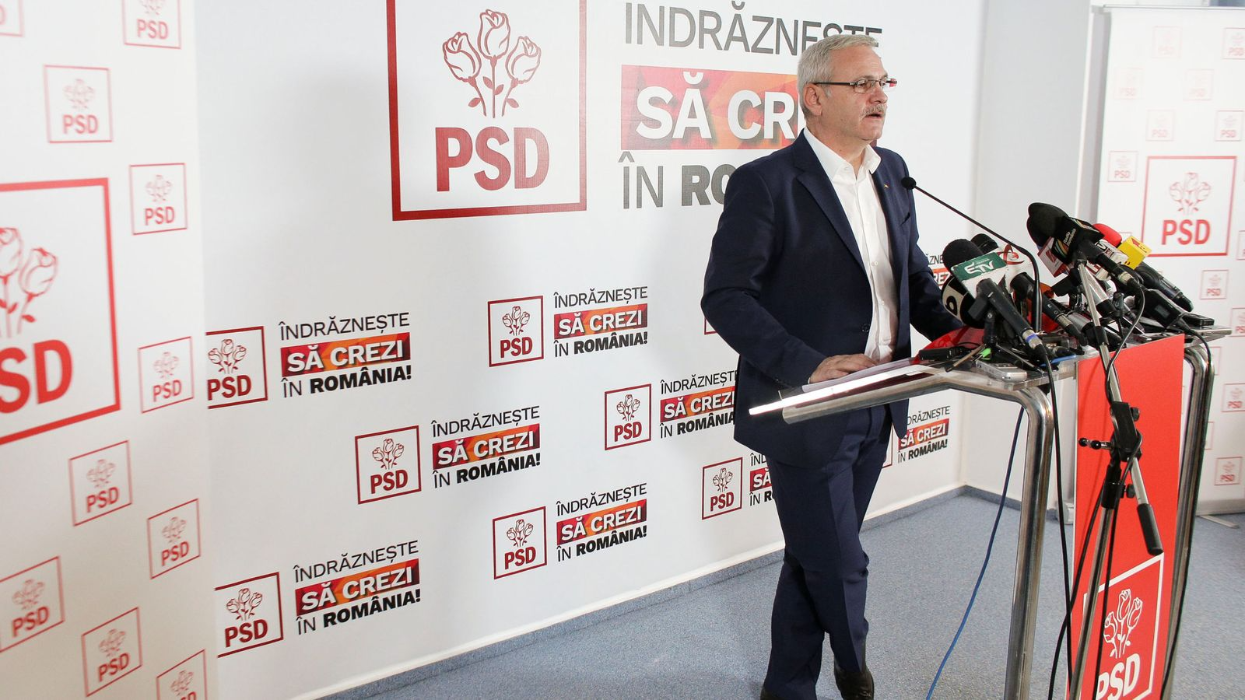
The initiative was promoted by the Social Democratic Party (PSD), the largest parliamentary force, which left the governing coalition in April after disagreements over austerity policies, and later allied with the right-wing opposition, including the Alliance for the Union of Romanians (AUR), to overthrow the Executive. The fall of the cabinet breaks a pro-European coalition that had been formed less than a year ago with the objective of containing the galloping advance of
the right.
Bolojan, leader of the National Liberal Party (NLP), will remain acting prime minister with limited powers until a new Government is formed. President Nicușor Dan will be responsible for initiating consultations with political forces to appoint a new head of government capable of gathering a parliamentary majority. The president expressed his confidence that a new pro-European Executive could be formed within a “reasonable time”, although the current divisions anticipate complex negotiations
. The Prime Minister of Romania was dismissed after a motion of censure approved with great support
The political crisis has generated concern in financial markets. The national currency, the “Leu”, fell to a record low against the euro before the vote, reflecting investor concern for the country's fiscal stability. Romania currently has the largest budget deficit in the European Union, and there is a risk that instability will delay the reforms needed to correct it, which could lead to a reduction in
its credit rating.
In addition, the country is under pressure to implement key reforms that will allow it to access about 10 billion euros in European funds before an August deadline. The lack of a fully functioning Government could hinder the fulfilment of these commitments and compromise access to those resources essential for economic recovery
.
The outgoing Executive had assumed power ten months ago with an agenda focused on fiscal consolidation and political stability, in a context marked by polarized elections and the rise of euro-skeptical forces. However, the economic adjustment measures promoted by Bolojan caused tensions within the coalition, especially with the PSD, whose electorate was affected by the
cuts and reforms. The Social Democratic Party was behind the motion to dismiss the former prime minister, who will hold office on an interim basis with limited powers
Repercussions in Romania
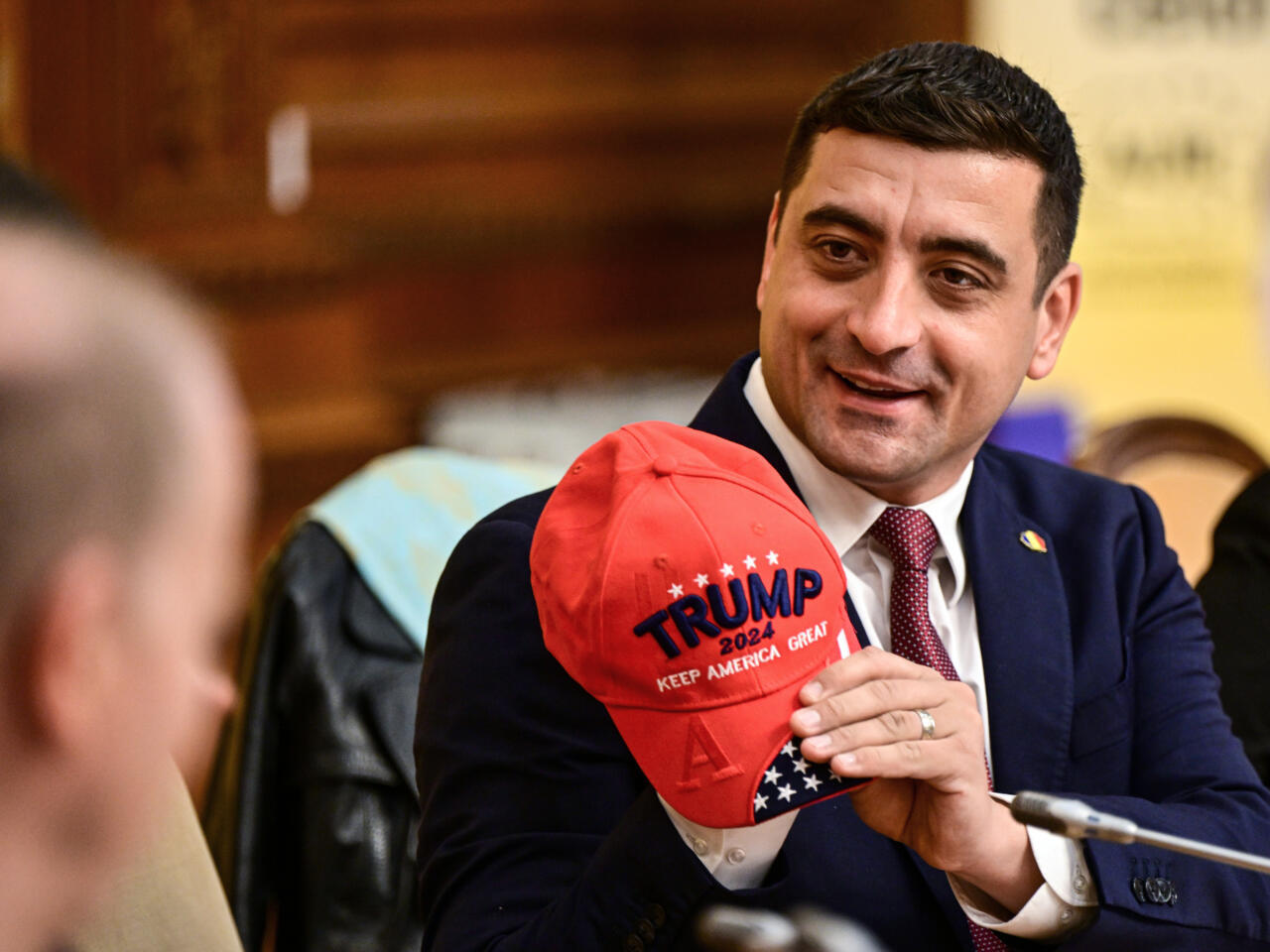
The leader of the AUR, George Simion, celebrated the fall of the Government and assured that it represents a victory for the popular will. His nationalist, right-wing and critical formation of the European Union currently leads the polls with about 35% intention to vote, increasing pressure on traditional parties to avoid early elections that could further strengthen
the extreme right.
Despite the fragmented political scene, the call for early elections is considered unlikely due to constitutional restrictions. To dissolve the Parliament, it would be necessary to reject two consecutive prime minister proposals within 60 days, a process that analysts consider unlikely given the interest of pro-European parties in avoiding
an electoral advance.
The PSD has expressed its willingness to return to a pro-European coalition, although it conditions its support on the appointment of a new prime minister. However, both the NLP and the Union Save Romania (USR) have refused, at least publicly, to resume negotiations with the Social Democrats, which further complicates
the formation of a stable majority. The right-wing George Simion is currently leading the polls to win the elections
Before the vote, Bolojan defended his administration and questioned his opponents for the lack of a clear alternative. “Can anyone say how Romania will work starting tomorrow?” , asked the Parliament, stressing that the measures adopted, although unpopular, were necessary to prevent a further deterioration of the economy
.
At the international level, Romania maintains an important role as a member of the European Union and NATO, in addition to being a key ally of Ukraine since the beginning of the Russian invasion in 2022. The country has facilitated Ukrainian agricultural exports, provided military support and participated in pilot training, adding a geopolitical component to the