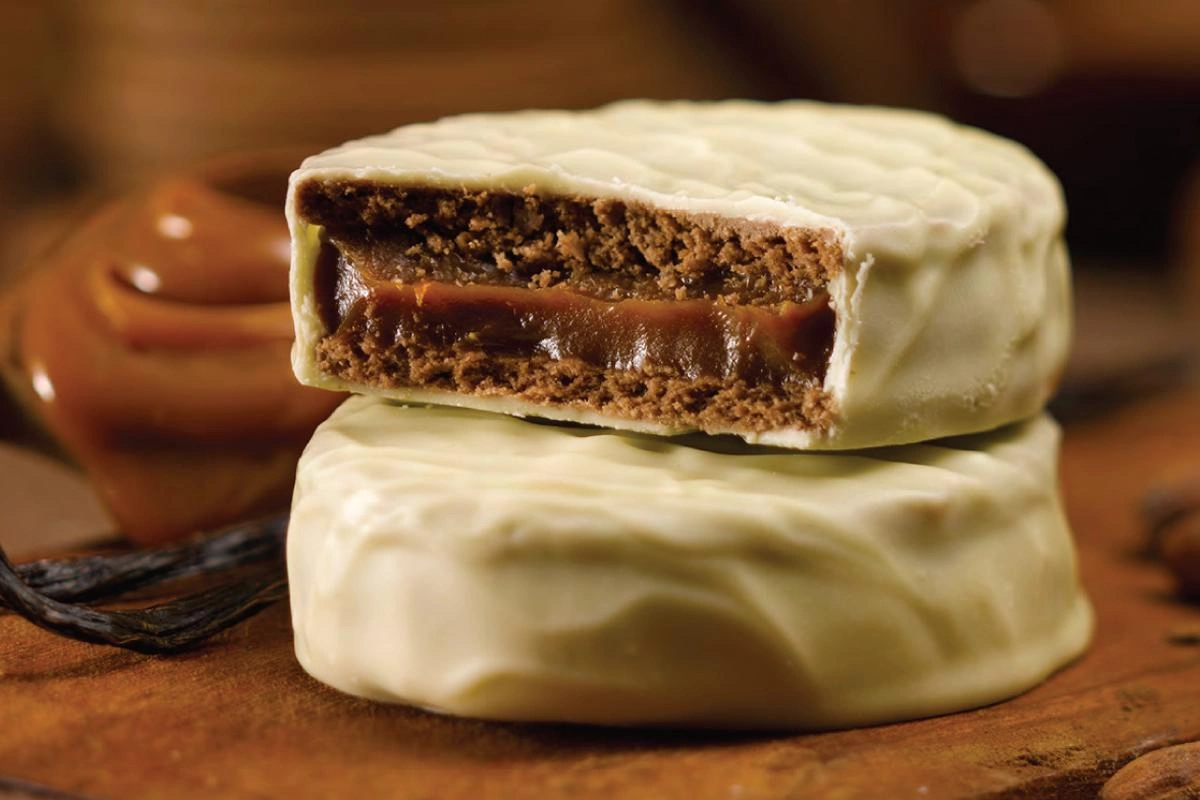
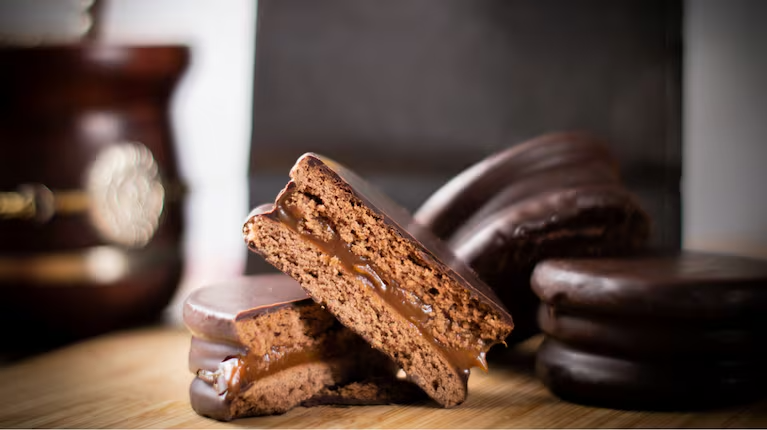
The Argentine alfajores market is going through a period of strong expansion and reconfirms the potential of a domestic industry that combines mass consumption, cultural identity, innovation and productive capacity. With around 12 million units consumed per day and more than 4.3 billion alfajores produced per year, the category has established itself as one of the most dynamic in the country
.
Each Argentinian consumes about 100 alfajores per year. Few products achieve such a level of daily penetration and, at the same time, maintain such a strong identity. Alfajor is no longer just a kiosk treat: it has become an Argentine symbol, at the level of other gastronomic emblems such as meat, wine or artisanal
ice cream. Varieties are multiplying at kiosks with supportive demand.
In 2025, consumption of alfajores increased 12% and companies project that the category will continue to expand. Traditional brands seek to sustain their leadership with new formats, flavors and commercial strategies, while new players take advantage of the product's emotional bond with the Argentine consumer. In this scenario, social networks and digital communities gain weight as platforms capable of converting audience into real demand
.
One of the most recent cases is that of the streamer Iván “Spreen” Buhajeruk, who together with businessman Nicolás Esmede launched the Alfajor GIGA. The brand debuted with an initial production of 1 million units and an annual revenue projection of 2.5 million dollars. The proposal targets the mass segment, with an affordable price, volume and strong digital presence.
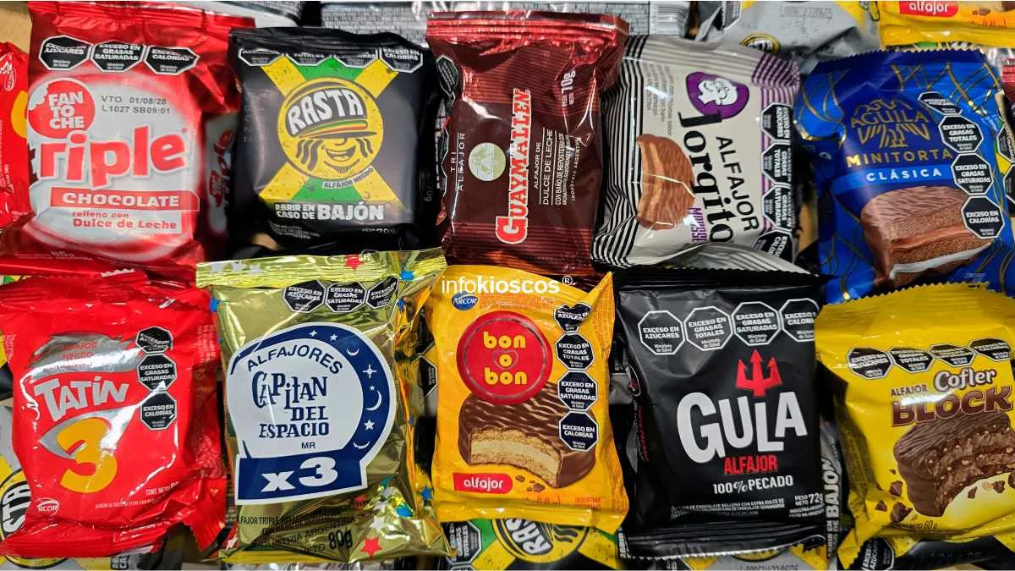
Historic companies are also moving. Fantoche, one of the most recognized firms in the sector, advanced with a line together with Joaquín Levinton, leader of Turf, under the brand name “Pescado Raúl”. In addition, the company continues to expand its portfolio with products such as Triple Red Velvet and Super Triple Chocolate. The firm produces more than 1.5 million units per day and maintains a dominant position in triple alfajores, with 76% of the market
.
The kiosk remains the main sales channel, accounting for about 65% of the total, followed by distributors and supermarkets. This capillarity allows Alfajor to maintain a permanent presence in the daily lives of Argentines: cheap, accessible, with high turnover and with
room for innovation. On average, Argentinians consume 101 alfajores a year.
Among the recent releases, there are also proposals from Arcor, Mantecol, Milka, Lucciano's and Rasta, while the sales ranking is still headed by classic names such as Guaymallén, Fantoche, Rasta and Jorgito. Competition is no longer just about price, but also about formats, marketing, flavors and positioning.
Added to this is the impetus of events such as the Alfajor Week and the Alfajor World Championship, which seek to expand the visibility of the product and strengthen its international projection. A campaign is even underway to ask for the incorporation of an emoji typical of Alfajor, a symbolic but powerful initiative to install him as an Argentinian cultural icon in the world