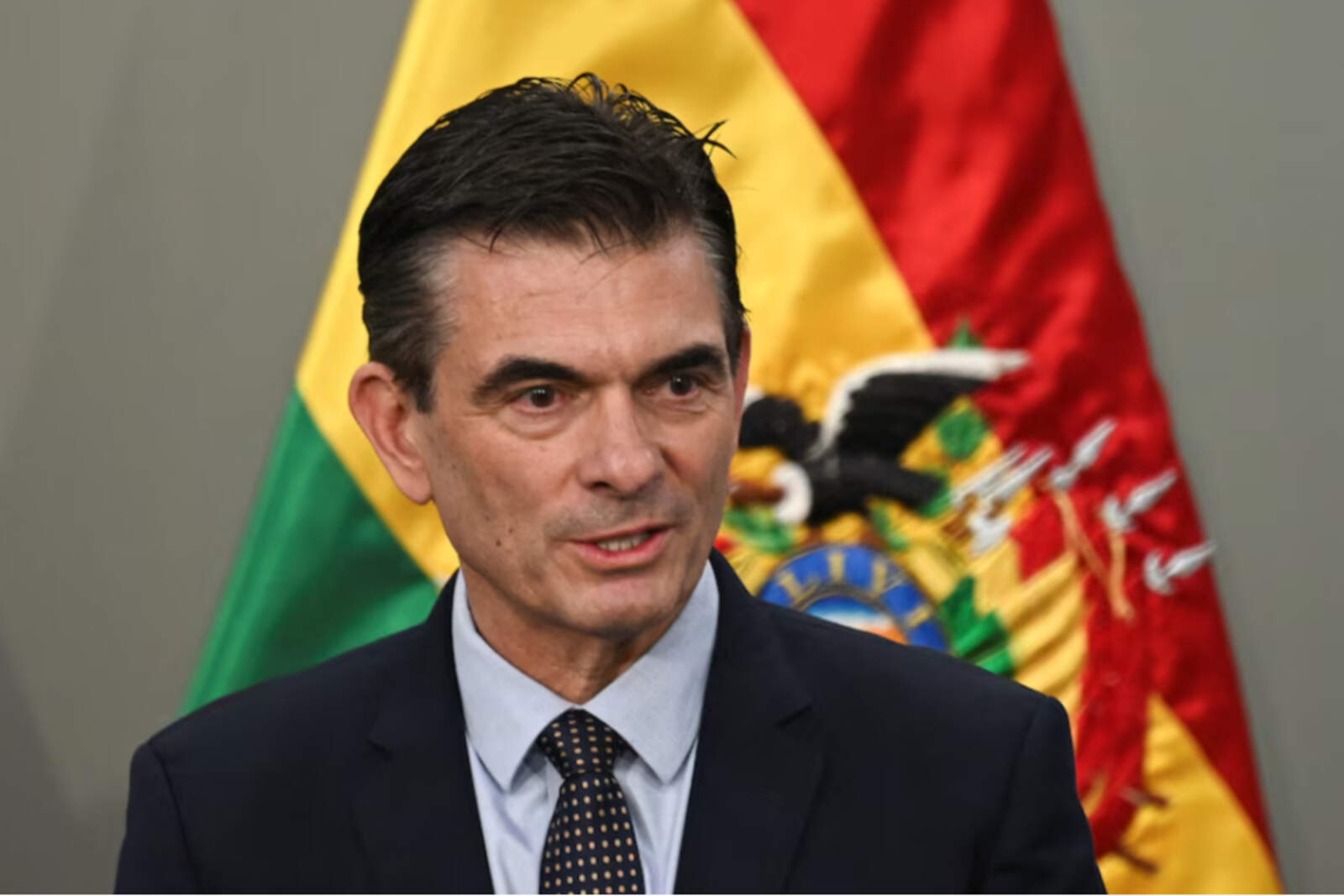
The president of Bolivia, Rodrigo Paz, announced that he will eliminate tariffs on cell phones, computers, and other technological products that are not manufactured in the country. The news was delivered at a meeting with various sectors in the city of Oruro, where he confirmed that next week he will send a package of laws to the Legislative Assembly to fulfill one of his main campaign promises.
"Everything that is not produced here in technology, zero tariff", stated Paz, indicating that the goal is to facilitate access to electronic devices, reduce costs for consumers, and create more competitive conditions in the domestic market.
The measure aims to reduce prices and combat smuggling
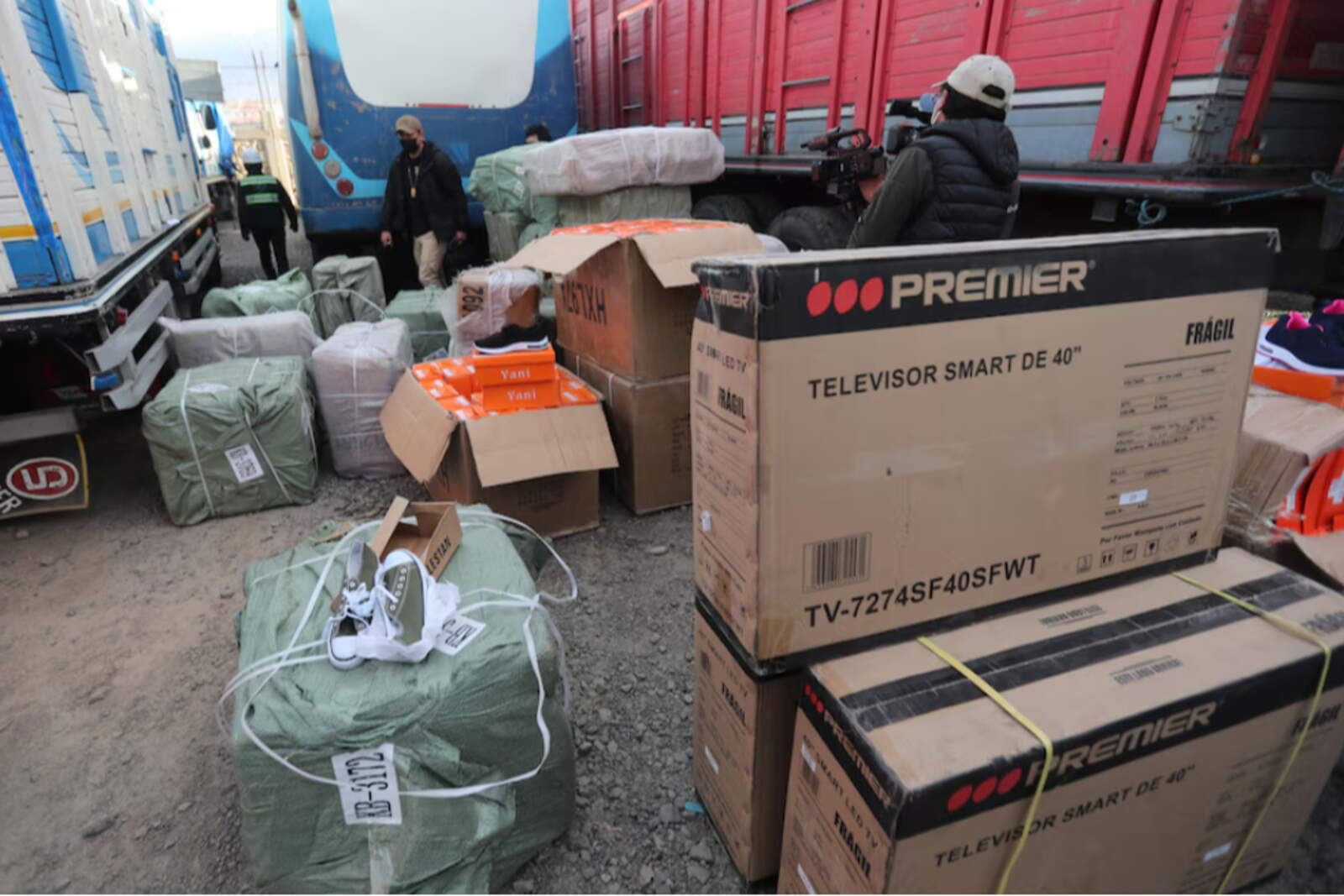
The president explained that the elimination of taxes will allow for the formalization of device imports and reduce incentives for smuggling, an activity that has grown in recent years alongside local demand for cell phones, notebooks, and household appliances.
To organize and make the process more transparent, the Government will prepare a clear list of covered products and a mandatory registration system for importers. "You will have the right to bring in these products, but you have to register so we know how many cell phones come in and how many go out, but they can't charge you," he stated.
The National Customs Office has carried out numerous operations against technological smuggling in recent years, although there are no exact figures on the volume confiscated. Constant demand for equipment continues to fuel irregular entry, something the Government seeks to dismantle with legal incentives and a more effective regulatory framework.
Comprehensive Customs reform as part of the economic plan
Paz also announced a comprehensive restructuring of the National Customs Office, an institution he described as "corrupt" and at the center of multiple complaints. "That customs office will die, because it must be an institution for the people," he stated, clarifying that foreign trade requires a modern, transparent, and operational entity at the borders.
The customs reform is part of a broader program aimed at reactivating the economy, encouraging private investment, and improving the business climate.
Paz anunció que Bolivia eliminará aranceles para celulares, computadoras y tecnología que no se produce en el país
Elimination of taxes and reduction of public spending
Last week, the Government announced the elimination of four taxes:
Tax on Large Fortunes (IGF)
Tax on Financial Transfers (ITF)
Gaming Tax
Tax on Business Promotions
Although they account for less than 1% of revenue, the Minister of Economy, José Gabriel Espinoza, argued that these taxes created "problems and contradictions" for the development of the private sector. In particular, he noted that the IGF led to capital flight and discouraged foreign investment.
Espinoza also indicated that the 2026 General State Budget will include a 30% reduction in public spending (30% reduction in public spending), in order to balance the accounts and restore macroeconomic confidence.
Bolivia seeks more foreign currency and prepares new structural reforms
Meanwhile, the Government is negotiating international financing and has already obtained USD 5.5 billion from CAF – Development Bank of Latin America and the Caribbean, intended to strengthen reserves and improve foreign currency flows.
From now until March, the Executive is expected to move forward with structural measures such as the liberalization of the exchange rate and changes to fuel subsidies, steps aimed at stabilizing the economy and modernizing the productive system.
With zero tariffs on technology as one of his most popular measures, Paz is seeking to mark a shift in Bolivian economic policy, aiming for greater competitiveness, more formality, and broader access to essential goods in daily life.