Sáenz, Jaldo, Jalil, Passalacqua, and Figueroa are considering formalizing a common caucus that could reduce UxP's number of deputies and leave LLA as the leading minority
Compartir:
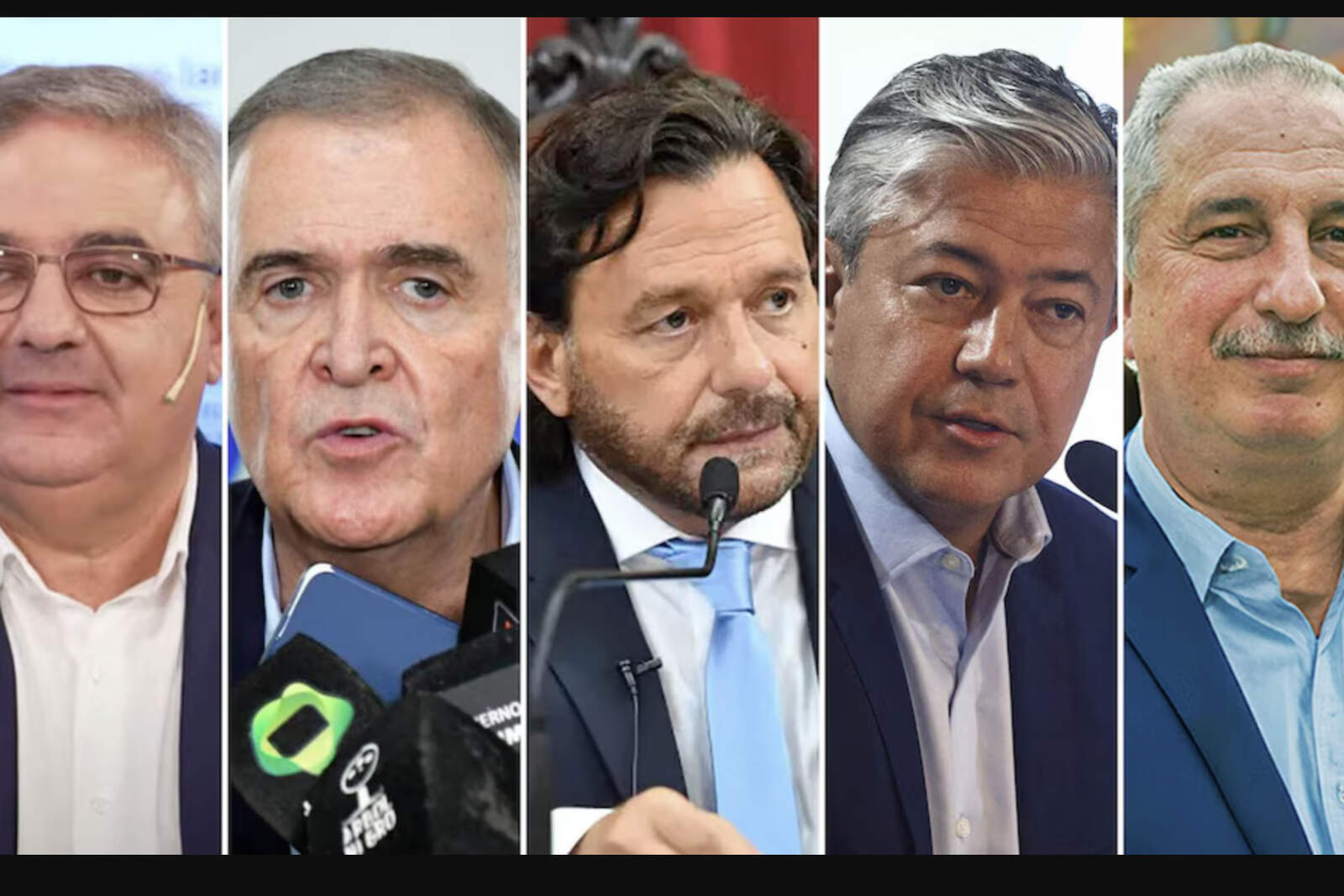
A meeting scheduled for this Thursday at 1:00 p.m. at the Casa de Salta could redefine the legislative landscape. Governors Gustavo Sáenz (Salta), Osvaldo Jaldo (Tucumán), Raúl Jalil (Catamarca), Hugo Passalacqua (Misiones), and representatives of "Rolo" Figueroa (Neuquén) will hold a key meeting.
Los gobernadores Jalil, Jaldo, Sáenz, Figueroa y Passalacqua
During this meeting, the creation of a federal bloc of their own could be announced, which would be a move that would directly impact the already weakened Peronism. These leaders have been negotiating privately for weeks to form a bloc that represents their provincial interests.
The decision carries political weight due to its immediate impact on both chambers and because it comes in a context of high volatility within Unión por la Patria.
A move that weakens Peronism and favors the ruling party
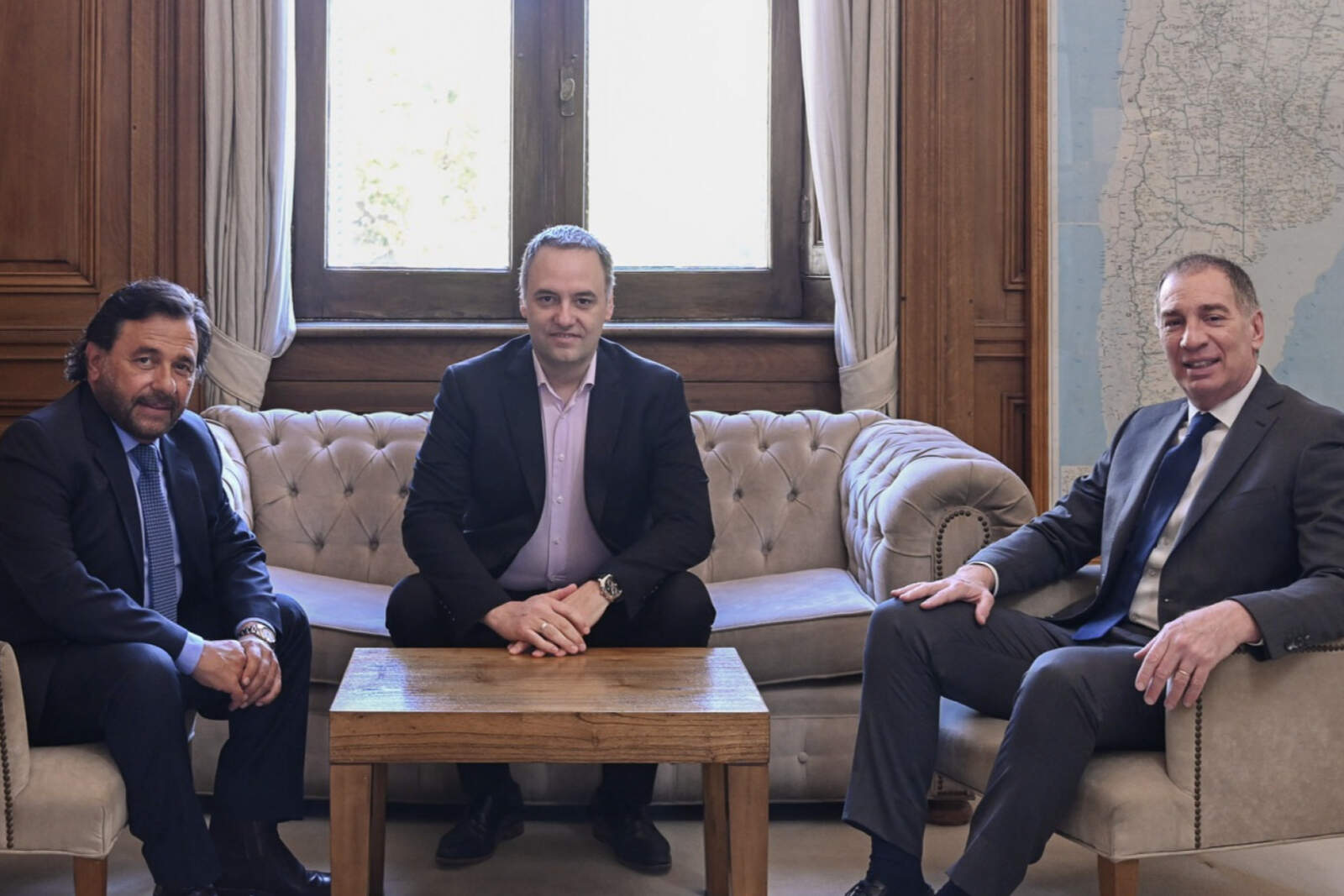
All the governors involved have already held talks with the Minister of the Interior, Diego Santilli. The latter was appointed as the coordinator of legislative agreements for the Budget and the reforms that the Executive will send to Congress. Some also met at Casa Rosada with the Chief of Cabinet, Manuel Adorni.
Los gobernadores se reunieron con el Ministro del Interior, Diego Santilli.
The possible announcement would strike directly at Unión por la Patria. Peronism is experiencing an internal crisis marked by three events:
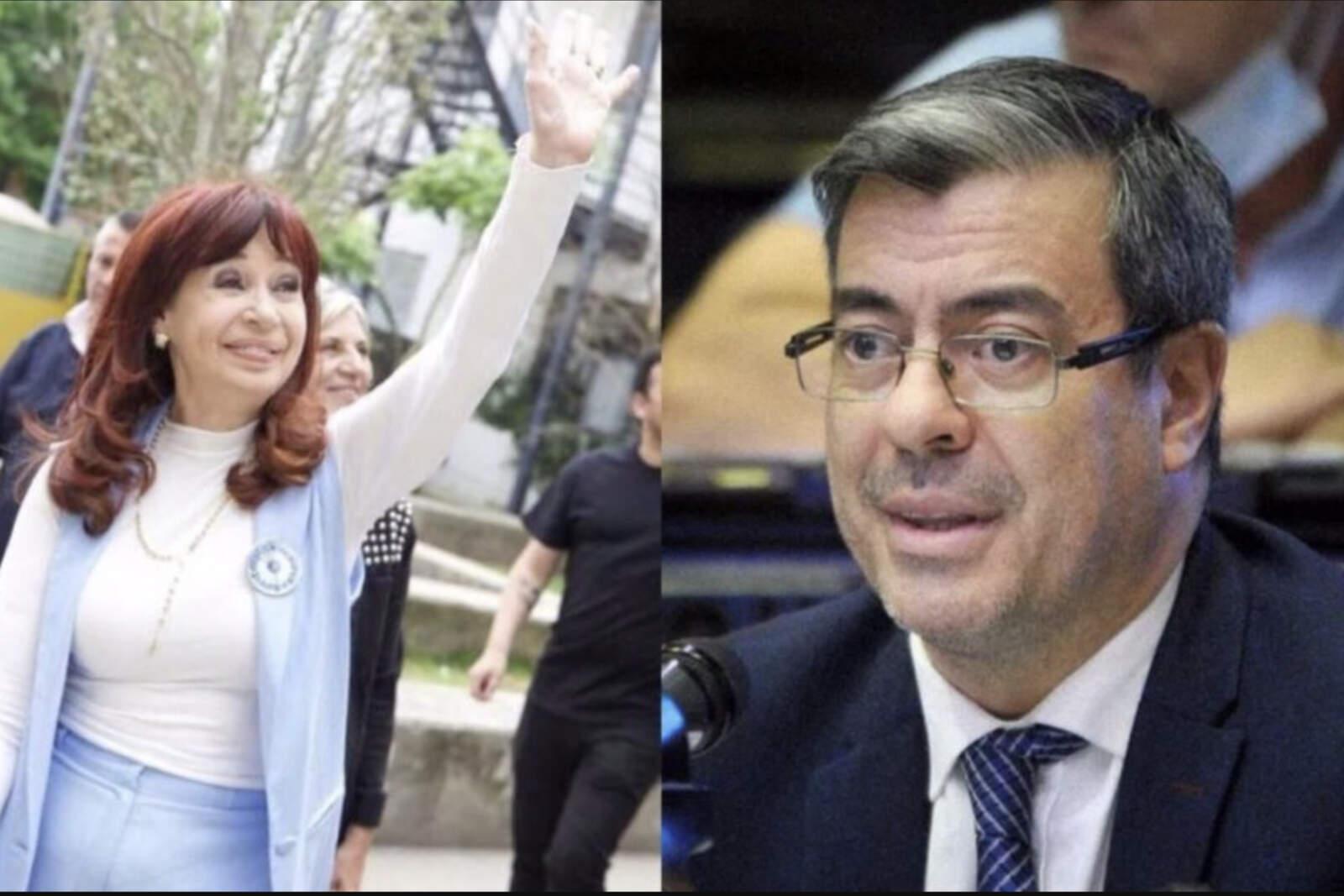
the conviction of the PJ leader, Cristina Kirchner, confined at San José 1111,
the electoral defeat of October 26,
and the growing questioning of the parliamentary leadership, especially of Germán Martínez in the Chamber of Deputies.
If the departure of the four deputies aligned with Jalil from Catamarca is confirmed, Unión por la Patria would be left with 92 seats, one less than La Libertad Avanza.
This would be a major milestone for Javier Milei's government. The objective pursued by Martín Menem, President of the Chamber, would be achieved: La Libertad Avanza would be consolidated as the leading minority.
Martín Menem lograría su objetivo de que La Libertad Avanza sea primera minoría en el Congreso
The legislators linked to Jaldo, Sáenz, Figueroa, and Passalacqua were already acting in other blocs. For this reason, the main party harmed by the maneuver would be Kirchnerism, which has feared the fragmentation of the group for weeks.
The convicted Cristina Kirchner had anticipated it in the letter she published after Milei's resounding victory: the greatest risk for Unión por la Patria was its own division.
If the new bloc is formalized today, it would be made up of 14 deputies.
El peronismo con su "jefa" encerrada e incomodidades por el presidente del bloque en Diputados
Accelerated negotiations and parallel tensions
The day is taking place in a climate of intense political activity. Today and tomorrow will be key days for the relationship between the governors and the national administration. Many leaders will be in Buenos Aires for the Night of the Provincial Houses and for the swearing-in of the new senators.
Meanwhile, yesterday the Provincias Unidas bloc met, with the participation of governors Maximiliano Pullaro (Santa Fe) and Nacho Torres (Chubut). Tensions arose there over the presidency of the bloc: the appointment of Gisela Scaglia from Santa Fe displaced Miguel Pichetto and caused internal friction. That group will have 15 deputies.
Both Provincias Unidas and the bloc being formed by the five governors have already announced their willingness to negotiate with Casa Rosada for the approval of the Budget. They have also expressed their willingness to agree on labor modernization, tax reform, and the toughening of the Penal Code.
These are the central projects of the ruling party for the legislative summer, which have so far been resisted by Unión por la Patria.