Unión por la Patria gave up on holding a session before November 30, and Milei will take the debate to extraordinary sessions
Nuevo
Agregar La Derecha Diario en
Compartir:
Kirchnerism has finally abandoned its attempts to force a session before the end of the month; ultimately, the 2026 Budget promoted by Javier Milei's government will be debated during the extraordinary sessions convened between December 10 and 31.
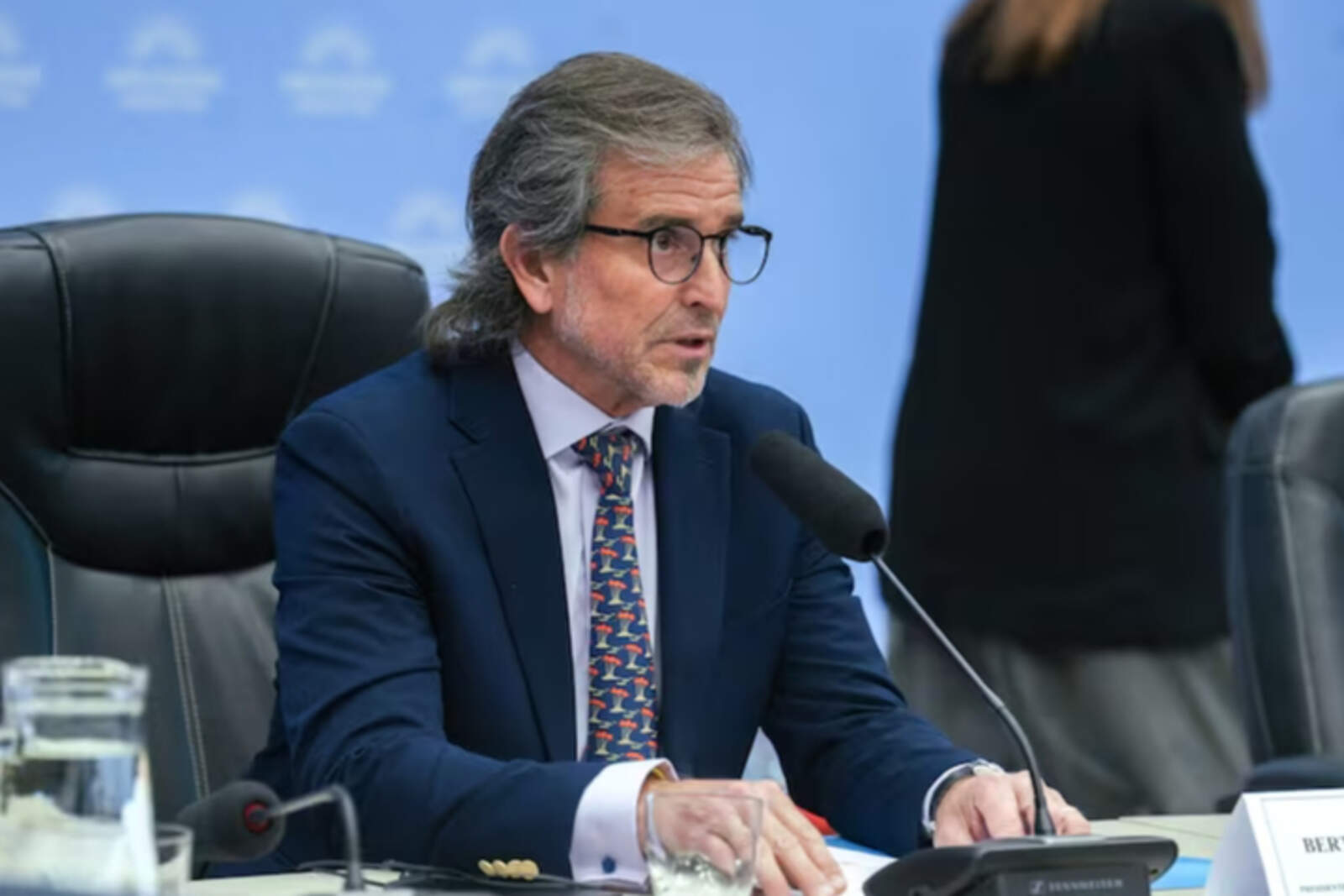
Bertie Benegas Lynch, Presidente de la comisión de presupuesto.
The decision became known during the first meeting of the Unión por la Patria (UxP) bloc after the legislative elections, led by Germán Martínez. The meeting exposed the political wear and tear of the group and the loss of initiative in Congress: the elected deputies did not even participate and will only have their own meeting in the coming weeks.
The government, on the other hand, has already managed to consolidate majorities around its economic project. After President Javier Milei's meeting with legislators from La Libertad Avanza and PRO at Casa Rosada, the majority opinion was formalized with the support of allied governors, who have already begun negotiations with the Ministry of Economy regarding provincial funds.
The ruling party thus managed to impose the legislative agenda and ensure that the so-called "Law of Laws" will be addressed with the new composition of Congress, starting December 10 when the deputies elected in the recent elections take office.
In his minority opinion, Martínez again questioned the project, arguing that "it doesn't give the country the necessary tools to recover economic activity." However, the opposition's rejection was more formal than political: most Peronist leaders —such as Raúl Jalil (Catamarca), Gerardo Zamora (Santiago del Estero), and Osvaldo Jaldo (Tucumán)— maintain a fluid relationship with the national executive, and in several cases have already expressed their support for structural reforms.
Milei junto a gobernadores.
The 2026 Budget projects GDP growth of 5%, annual inflation of 10.1%, and an official exchange rate estimated at $1,423. It also establishes fiscal balance as the central pillar of Milei's administration, prioritizing spending on education, health, and pensions, which account for 85% of the total.
The text provides for 4.8 trillion pesos for national universities, a real increase of 5% in pensions, 17% in Health, 8% in Education, and 5% in disability pensions, consolidating a transparent and predictable allocation scheme.
With this step, the libertarian government manages to bring order to Congress, defuse Kirchnerist pressure, and move toward a new stage of labor and tax reforms that will seek to consolidate the macroeconomic balance achieved during the first year of the administration.