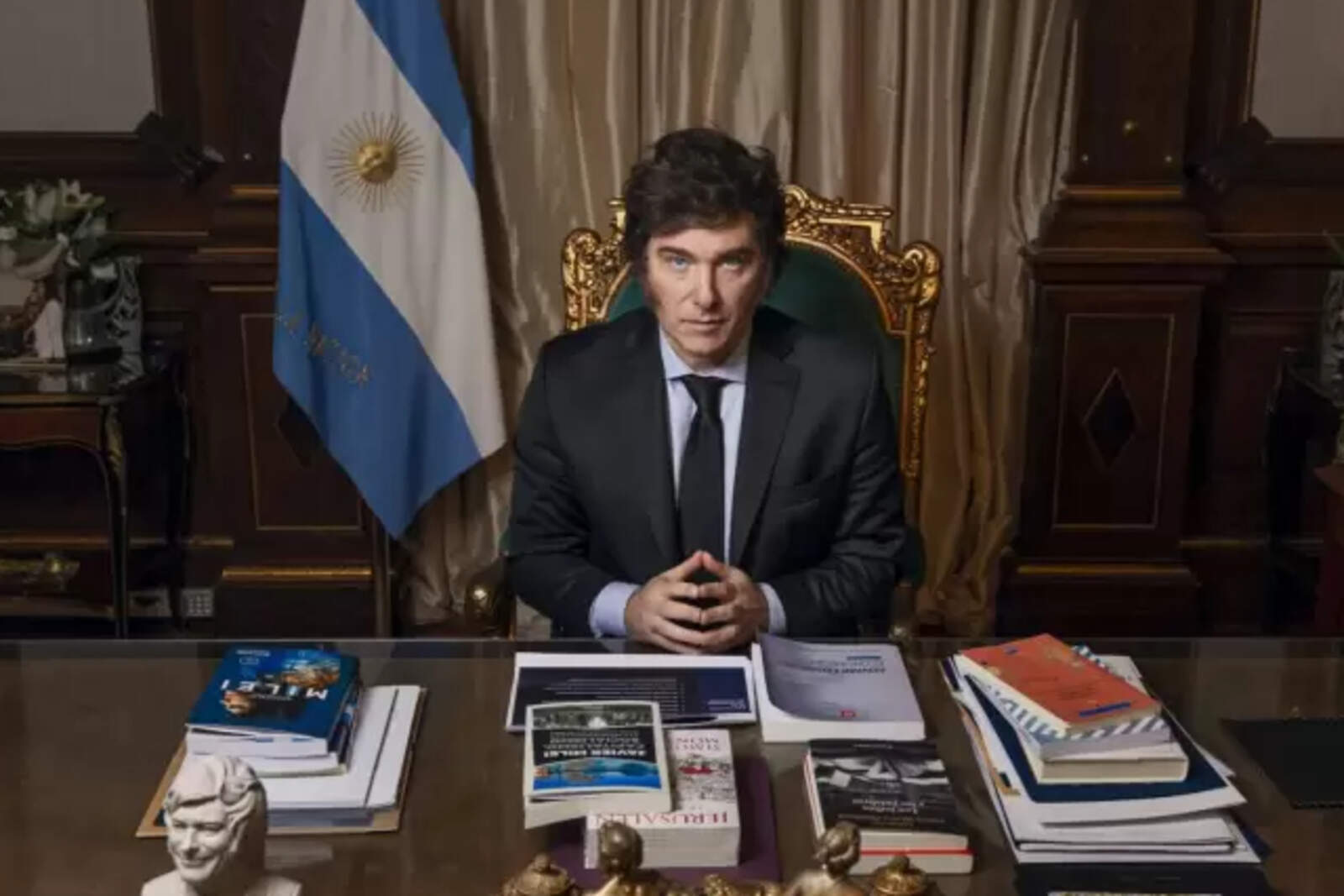

In an interview with the Financial Times, the Argentine president, Javier Milei, defended his economic course and announced that he will deepen market reforms, while also strengthening his alliance with the U.S. president, Donald Trump.
After achieving a broader-than-expected electoral victory over Peronism, Milei expressed his intention to accelerate the country's economic transformation. "We have to make sure we can eliminate the socialist ideas that have ruined this country for a hundred years," the president told the British outlet.
He also explained that he plans to keep the peso within a system of gradually widening floating bands against the U.S. dollar, at least until the 2027 elections, with the goal of reducing the historic volatility of the national economy. He also rejected criticism attributing the overvaluation of the currency at the beginning of the year to this policy and emphasized: "We have a program and we're going to keep following it."
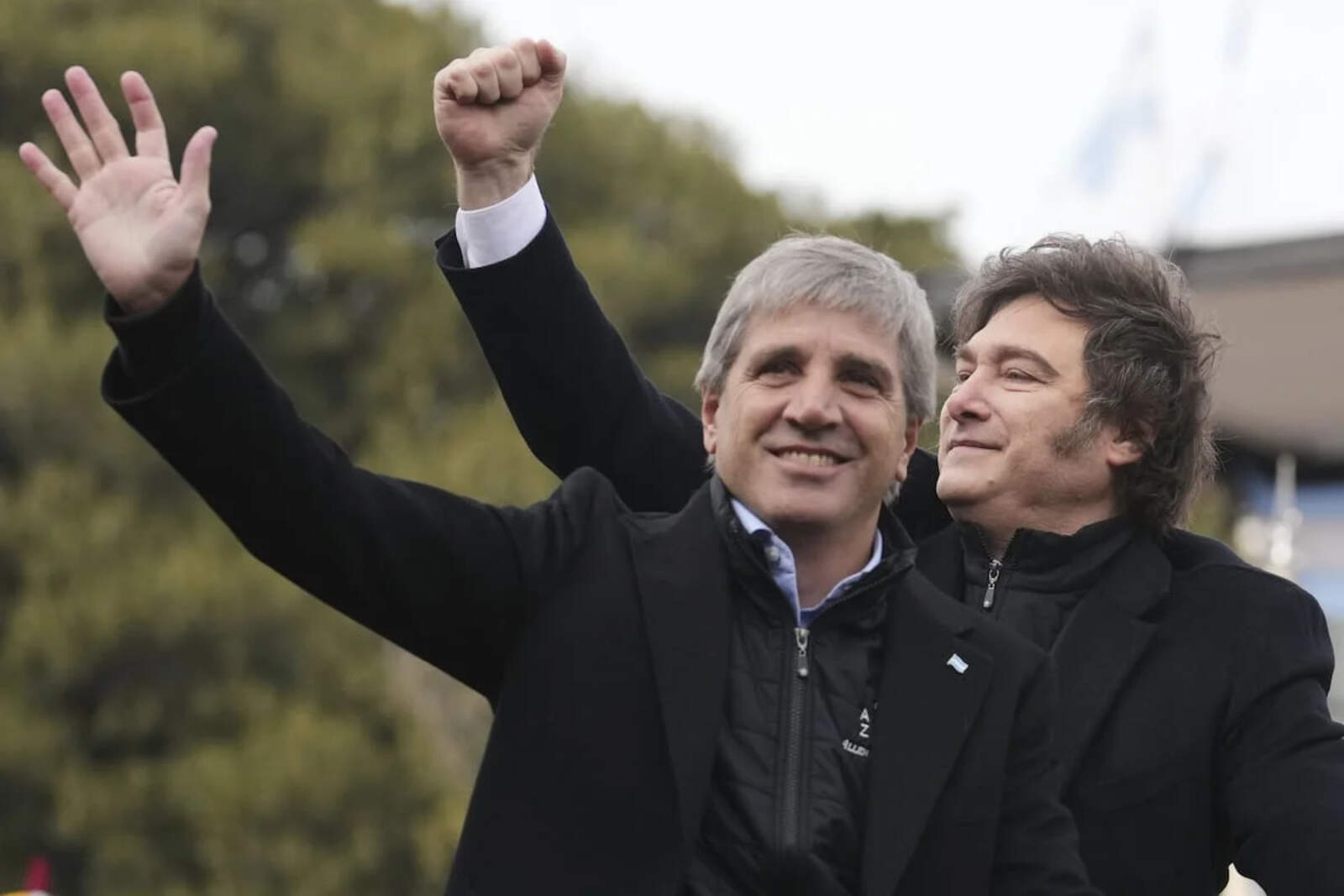
Speculative attacks and U.S. intervention
Referring to the intervention of the U.S. Treasury when a speculative attack threatened the government's economic plan, Milei commented: "The U.S. Treasury made timely interventions when it saw a business opportunity," referring to Bessent's assessment that the peso was "undervalued" in October.
Since Javier Milei's electoral victory, pressure on the exchange rate has eased and the Argentine peso has strengthened within its expected range. The president assured that he has no plans to modify the exchange band scheme, whose upper and lower limits widen by 1% each month, and announced that "at that pace, they will be much wider in two years." He also added: "The bands are designed to open up over time, and the time will come when they will be irrelevant."
Milei explained that the "increase in money demand" expected in the coming months, as electoral uncertainty decreases and the economy recovers, will facilitate the accumulation of Central Bank reserves. He also argued that those calling for the elimination of the band system have been influenced by "local economists and consulting firms, who have systematically been wrong about this."
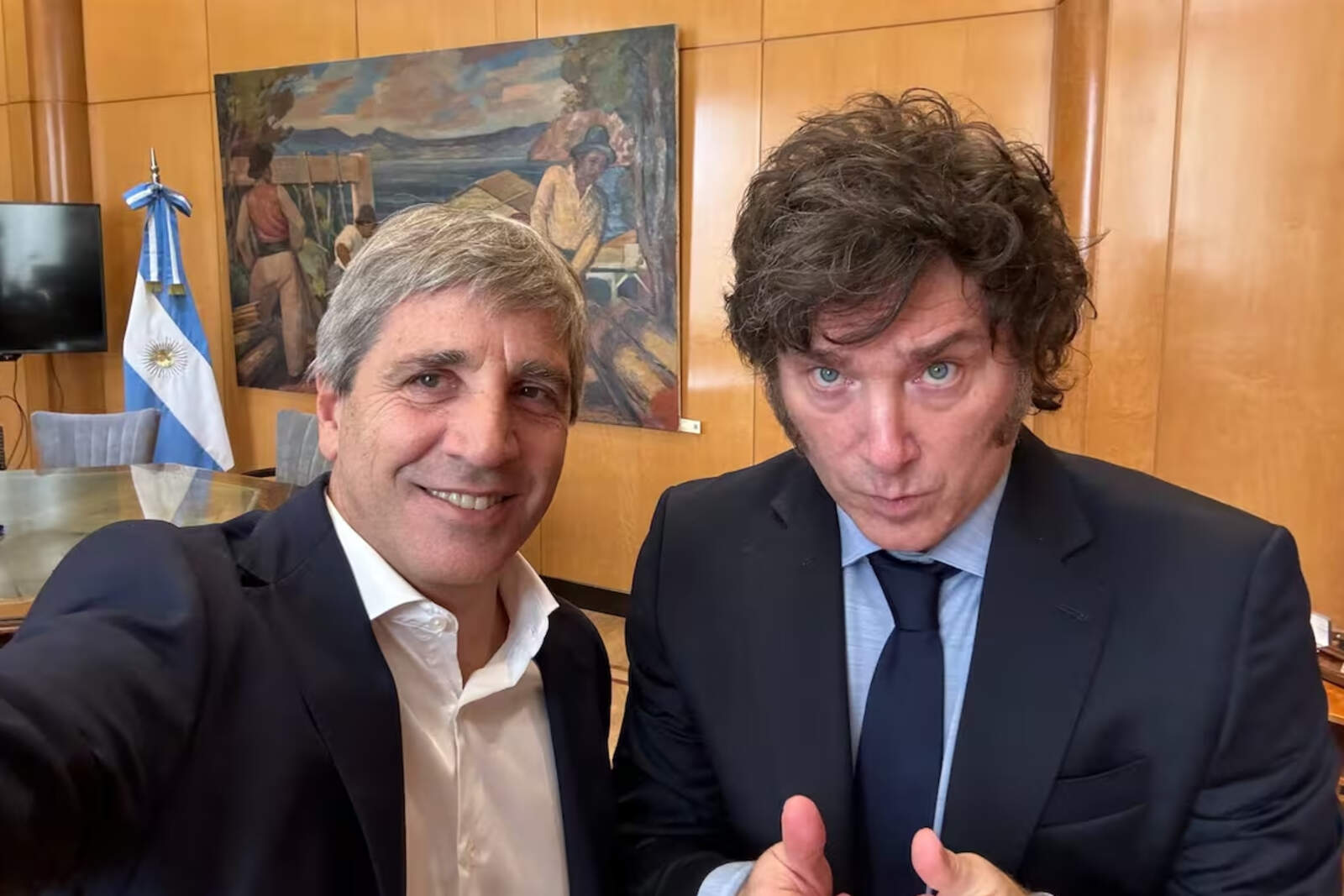
The president recounted that during a visit to Buenos Aires in April, the U.S. Treasury Secretary, Scott Bessent, agreed with the government that, after moving from a fixed exchange rate to a floating one within bands, speculative attacks could arise before the midterm elections and market support would be necessary.
Bessent recently noted that support for Argentina is part of a new "economic Monroe Doctrine," through which the United States seeks to reaffirm its leadership in Latin America and contain China's influence. Milei welcomed this change of course: "The United States has openly decided to be the leader of the region and I strongly welcome it. Previously, the United States was concerned with helping those who were not allies, feeding its own enemies. Today they've made a Copernican shift, which is fabulous. That is: support for allies and no support for non-allies. I think it's brilliant."