The Polish government denounced an unprecedented increase in Russian intelligence operations and deepened its diplomatic confrontation with the Kremlin.
The Polish government announced the closure of three Russian consulates on its territory after detecting a record number of espionage operations linked to Vladimir Putin and Aleksandr Lukashenko, in a new diplomatic escalation between Warsaw and the Kremlin.
The measure was confirmed by Polish authorities following the publication of an intelligence report that warned of an “unprecedented” increase in infiltration, sabotage, and espionage activities coordinated from Moscow and Minsk. According to the document, the detected operations affected strategic areas linked to security, infrastructure, and national defense.
The Polish government decided to close the Russian consulates in Krakow, Poznan, and Gdansk, further deepening the deterioration of diplomatic relations between the two countries. Warsaw directly accused Russia of intensifying its covert operations within Polish territory since the start of the war in Ukraine.
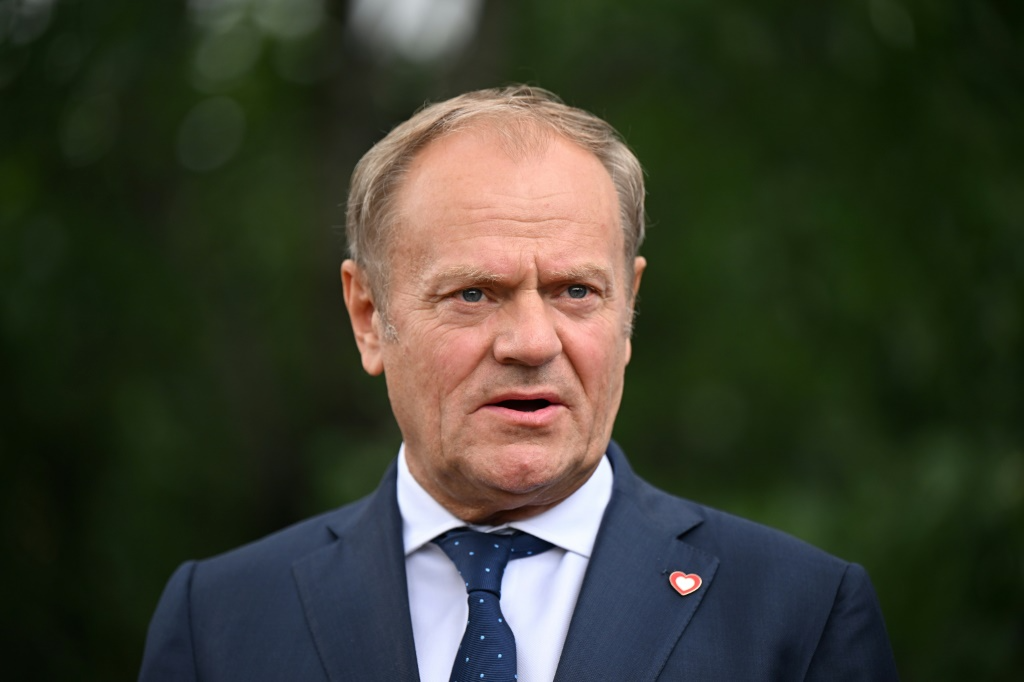
Polish Prime Minister Donald Tusk
Security authorities also noted that Belarus is actively participating in Russian intelligence operations, especially in tasks related to disinformation, cyberattacks, and surveillance of critical infrastructure.
Poland has become one of Ukraine's main European allies since the beginning of the Russian invasion in 2022. The country also serves as one of the largest logistical centers for the shipment of weaponry and Western aid to Ukrainian territory, a situation that has significantly increased tensions with Moscow.
In recent years, Warsaw has reported multiple cases of Russian espionage, including attempts at railway sabotage, infiltration into state agencies, and intelligence activities linked to military bases and energy networks. Polish authorities also claimed to have dismantled espionage cells connected with Russian and Belarusian intelligence services.
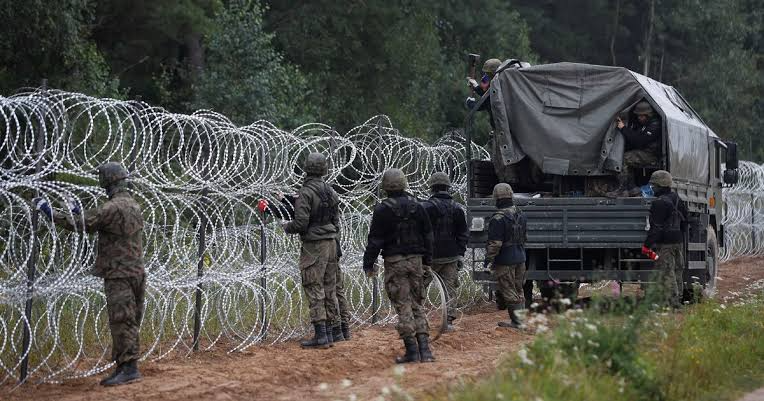
Polish army troops at the border with Belarus
The hardening of the Polish stance occurs amid growing regional concern over Russia's hybrid activities in Eastern Europe. Various NATO countries have been reinforcing their counterintelligence and internal security systems in response to the increase in covert operations attributed to the Kremlin.
The decision to close the consulates represents one of the largest recent diplomatic clashes between Poland and Russia. Putin's government has not yet officially announced possible reprisals, although historically the Kremlin has responded to such measures with expulsions of diplomats and equivalent restrictions.
The Polish government stated that the actions taken aim to protect national security and limit the operational capacity of Russian intelligence services within the country. In this context, Warsaw made it clear that it will maintain an increasingly tough stance against Moscow as long as the war in Ukraine continues and espionage operations on European territory persist.