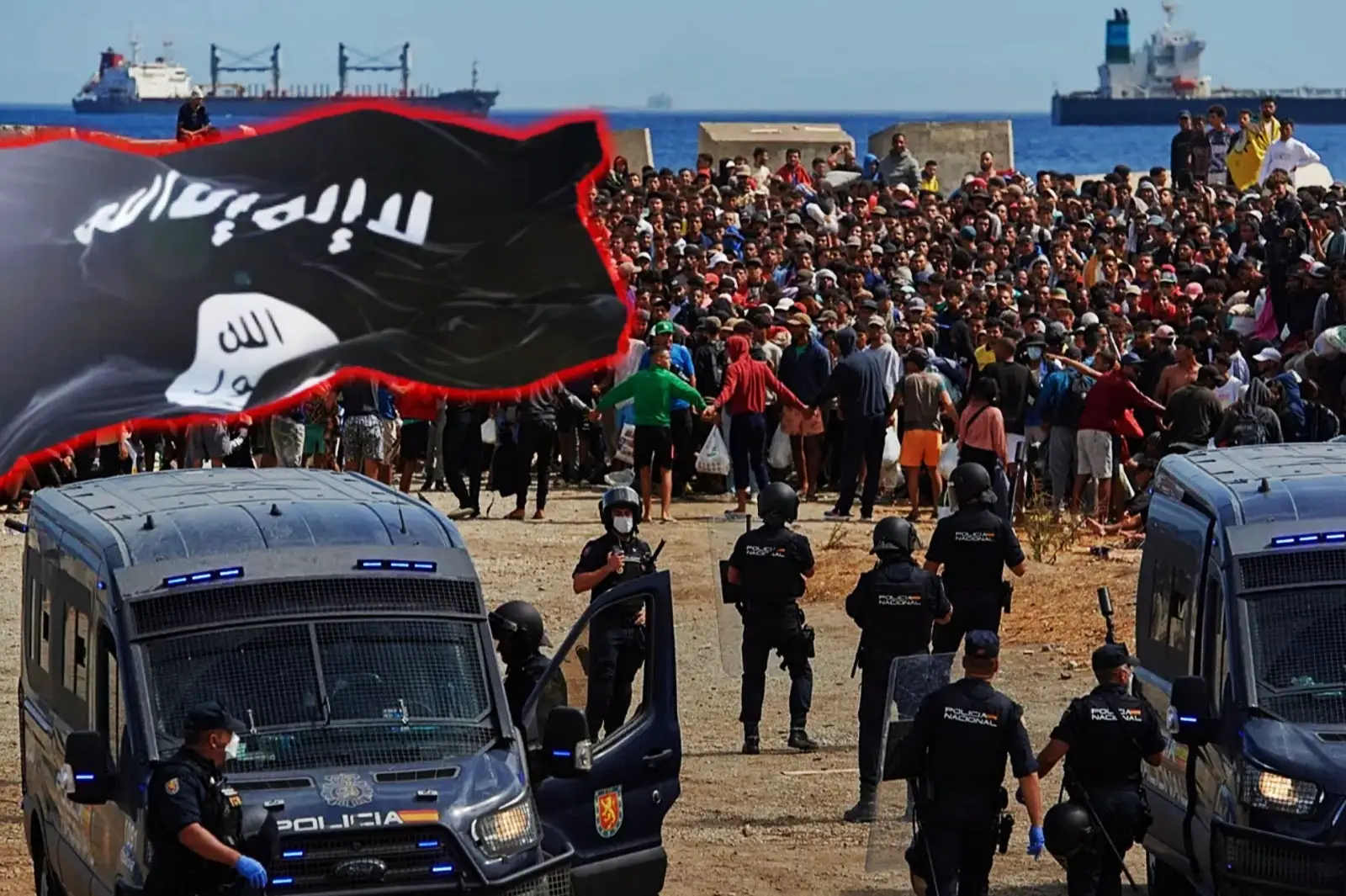
Authorities detected more than ten individuals with ties to jihadist terrorism among the immigrants who arrived in the city during the migration crisis at the end of July
The Police and Justice have also intervened in numerous cases of crime recorded after the massive arrival. More than 200 immigrants have been expelled from Spain after being arrested for various criminal acts, according to the Minister of Territorial Policy and head of the unified command for crisis management, Ángel Víctor Torres.
The Police have identified in Ceuta more than a dozen immigrants with backgrounds related to jihadism, according to police reports known amid the migration crisis that the autonomous city has been experiencing since the massive influx of people from Morocco at the end of July.
The magnitude of the arrival initially hindered the execution of ordinary checks at the border. The police union SUP warned that the simultaneous entry of thousands of people made it impossible to carry out the usual identity and background checks normally.
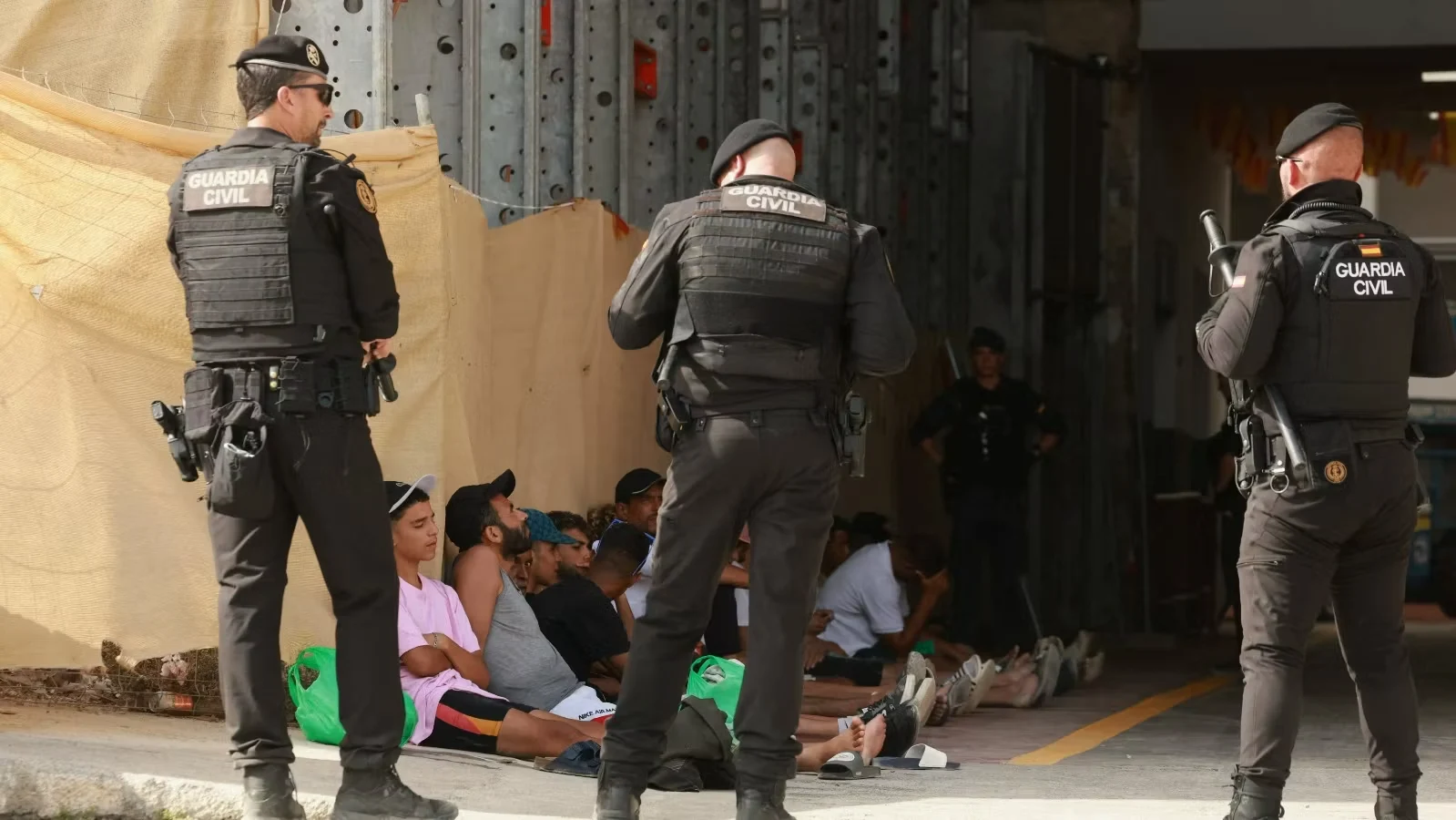
Members of the Civil Guard of Ceuta with illegal immigrants
Subsequent checks allowed for the detection of individuals already listed in police records for activities or crimes related to jihadist extremism. The identification of these individuals occurs while security forces continue to review the administrative and judicial status of thousands of people remaining in the city.
This information is particularly relevant due to the difficulties in verifying the identity of all the newcomers during the peak moments of migration pressure. Authorities have had to subsequently develop a process of identification and affiliation to determine who the people remaining in Ceuta are and to check their backgrounds.
Among those expelled are two Moroccan citizens who were convicted of assaulting law enforcement officers after confronting members of the Civil Guard during interventions carried out at the port and at Benítez beach.
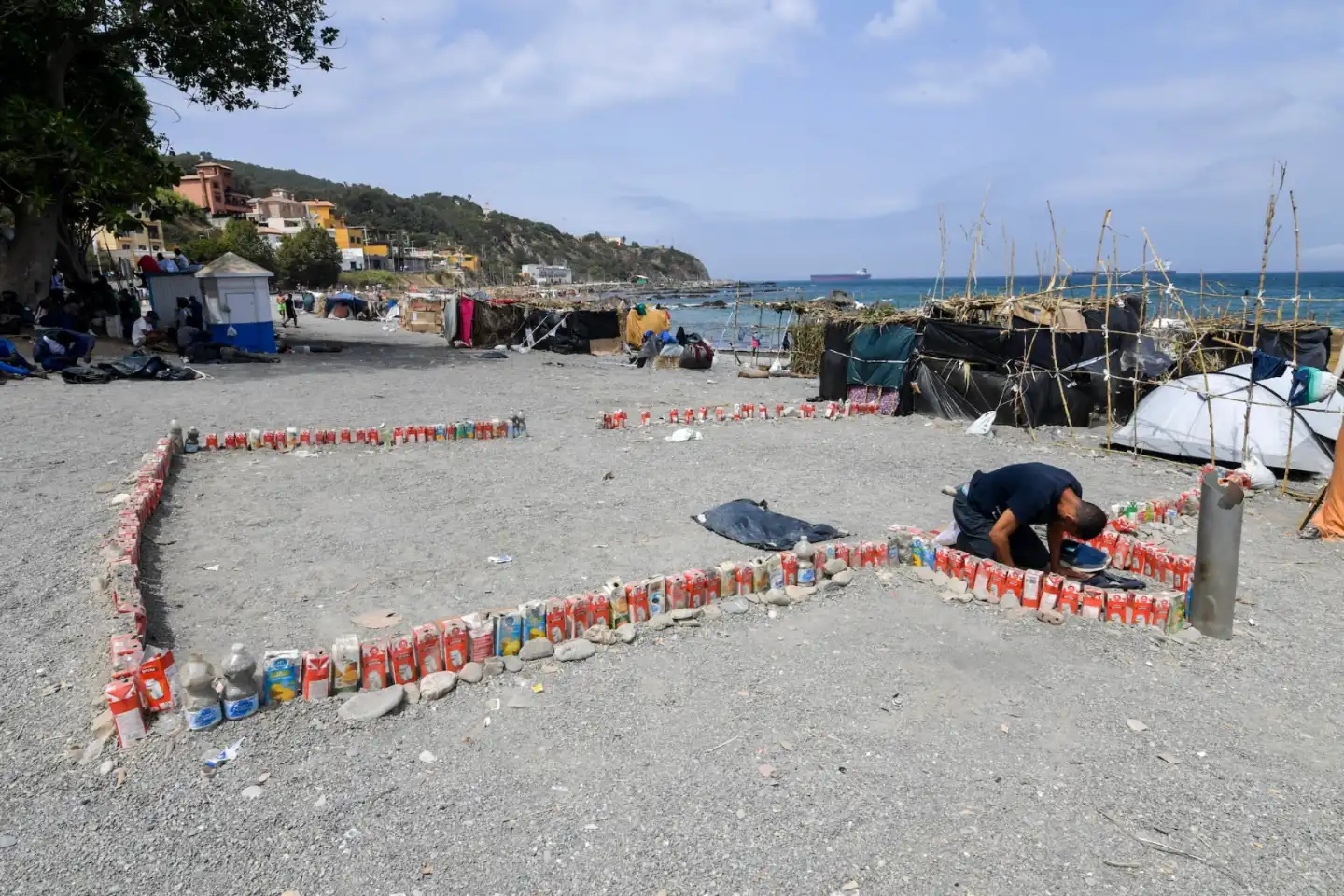
A mosque built by illegal immigrants from Ceuta
The situation has also raised concerns about the safety of the agents themselves tasked with managing the crisis. The Police continue to carry out identifications and checks on individuals remaining in the city, while authorities try to determine their legal status and manage expulsions when there are judicial or administrative resolutions that allow them.
Security forces thus maintain a dual task: managing the migration crisis and, at the same time, detecting possible threats to national security among the individuals who have arrived in Spanish territory, especially those who already have police or judicial records related to terrorism.