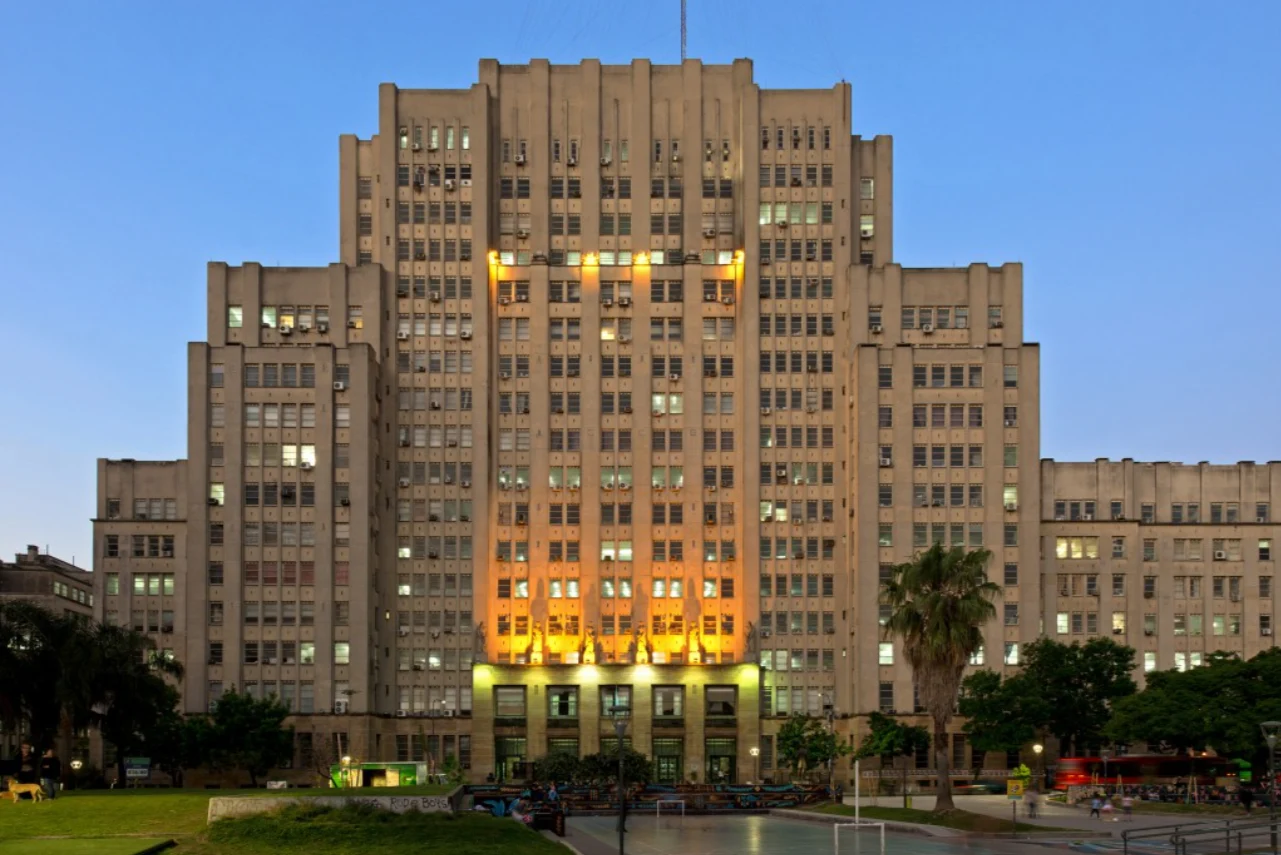

The data is brutal and should embarrass anyone who still defends the status quo. At the National University of La Plata, 51% of medical students are foreigners. At UBA, the figure hovers around 40%. This is not just a handful of isolated cases. It is a structural proportion that turns one of the most expensive careers in the public system into a massive subsidy for people who will not contribute a single peso in taxes once they graduate.
This happens while 28.2% of Argentines live below the poverty line. Families who pay VAT every time they buy bread, milk, or meat are financing, without having decided to, the training of doctors who then return to their countries or emigrate to places where they are paid. This is not solidarity. It is an organized scam with the money of those who have the least.
The argument of those who oppose charging fees is always the same: “it’s xenophobia,” “it’s racism,” “it goes against the Argentine tradition of welcoming everyone.” It is a moral blackmail that hardly convinces anyone anymore. No one is proposing to close the borders or prevent them from studying. What is being asked for is the most basic: that those who do not have permanent residency and do not contribute to the system pay for the service they receive. Exactly what almost all countries in the world do with whom we like to compare ourselves when it suits us.
Agustín Romo summarized it with surgical clarity: “It’s not xenophobia, it’s not racism. It’s common sense”. The phrase annoys because it exposes the pretense. For years, a narrative was built according to which any limit on free access for foreigners was a betrayal of the “great homeland.” That narrative only holds as long as the cost is borne by ordinary Argentines. When the number is shown —more than half of an expensive career occupied by non-residents— the discourse collapses.









