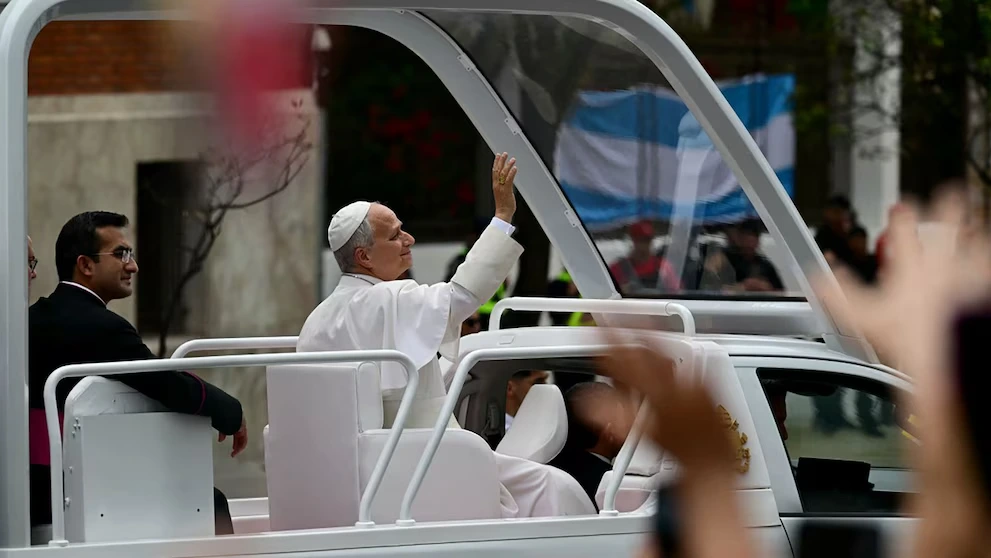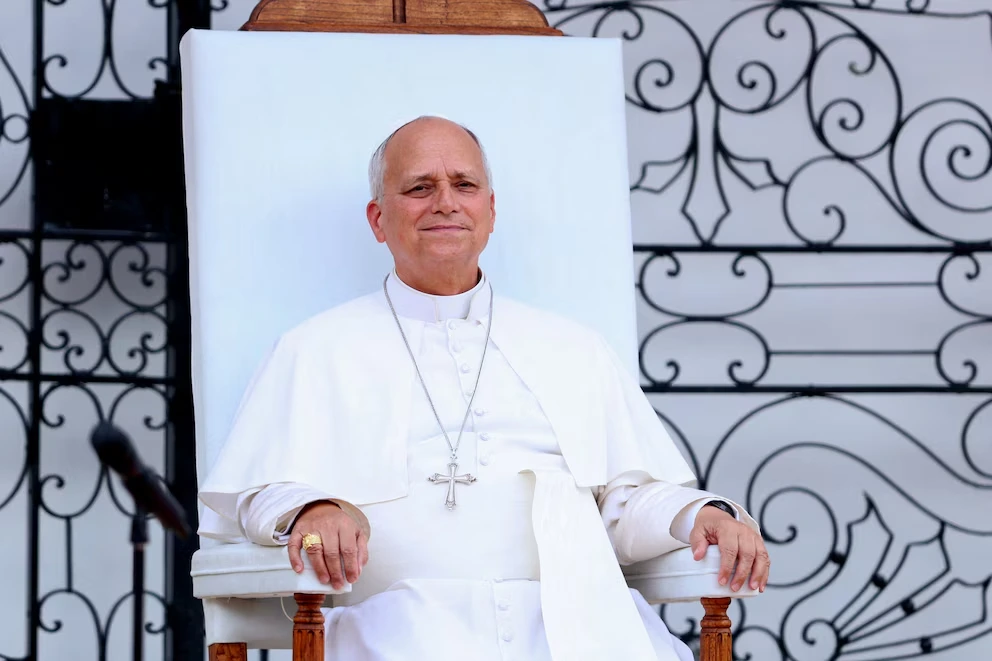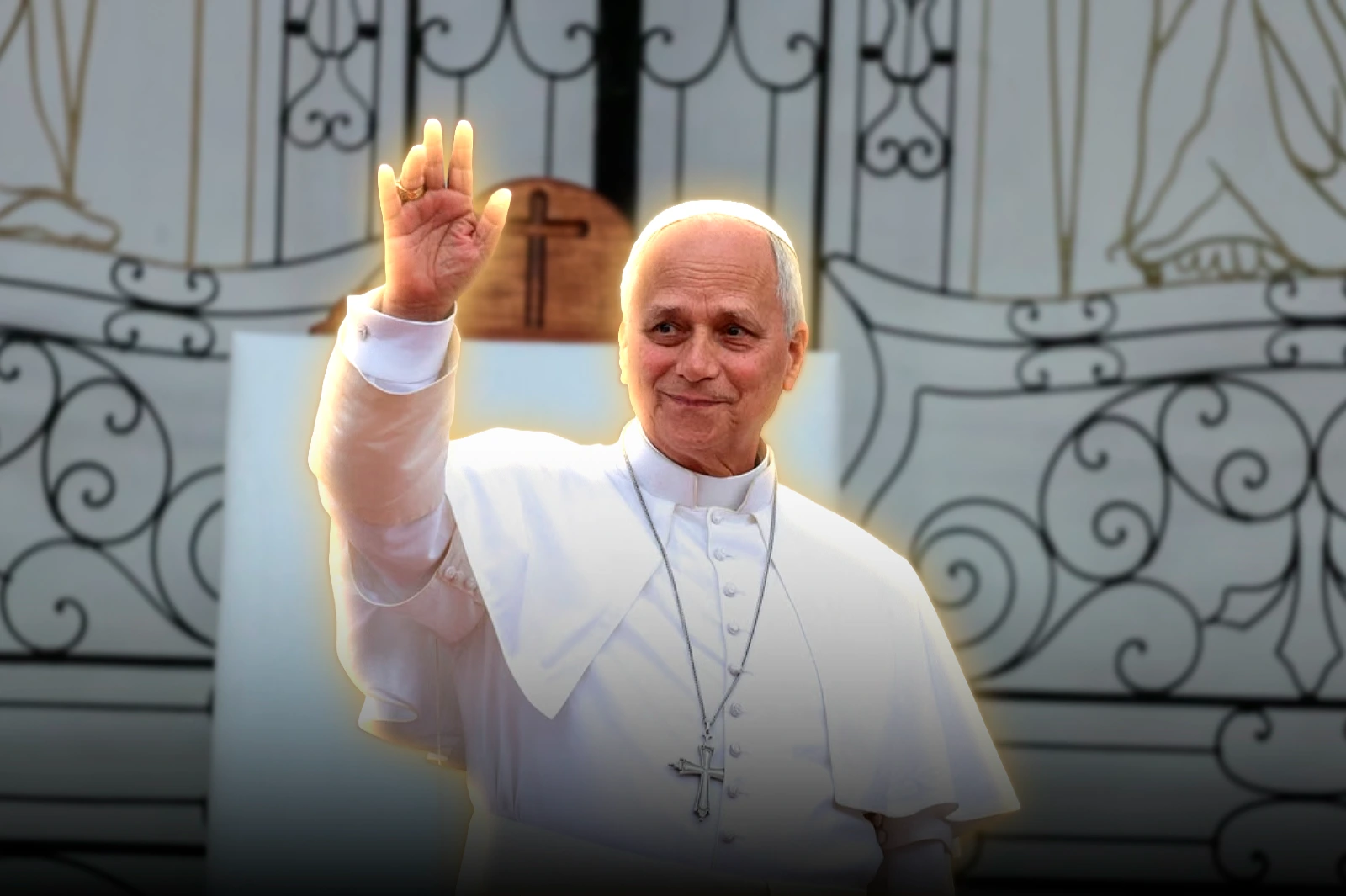


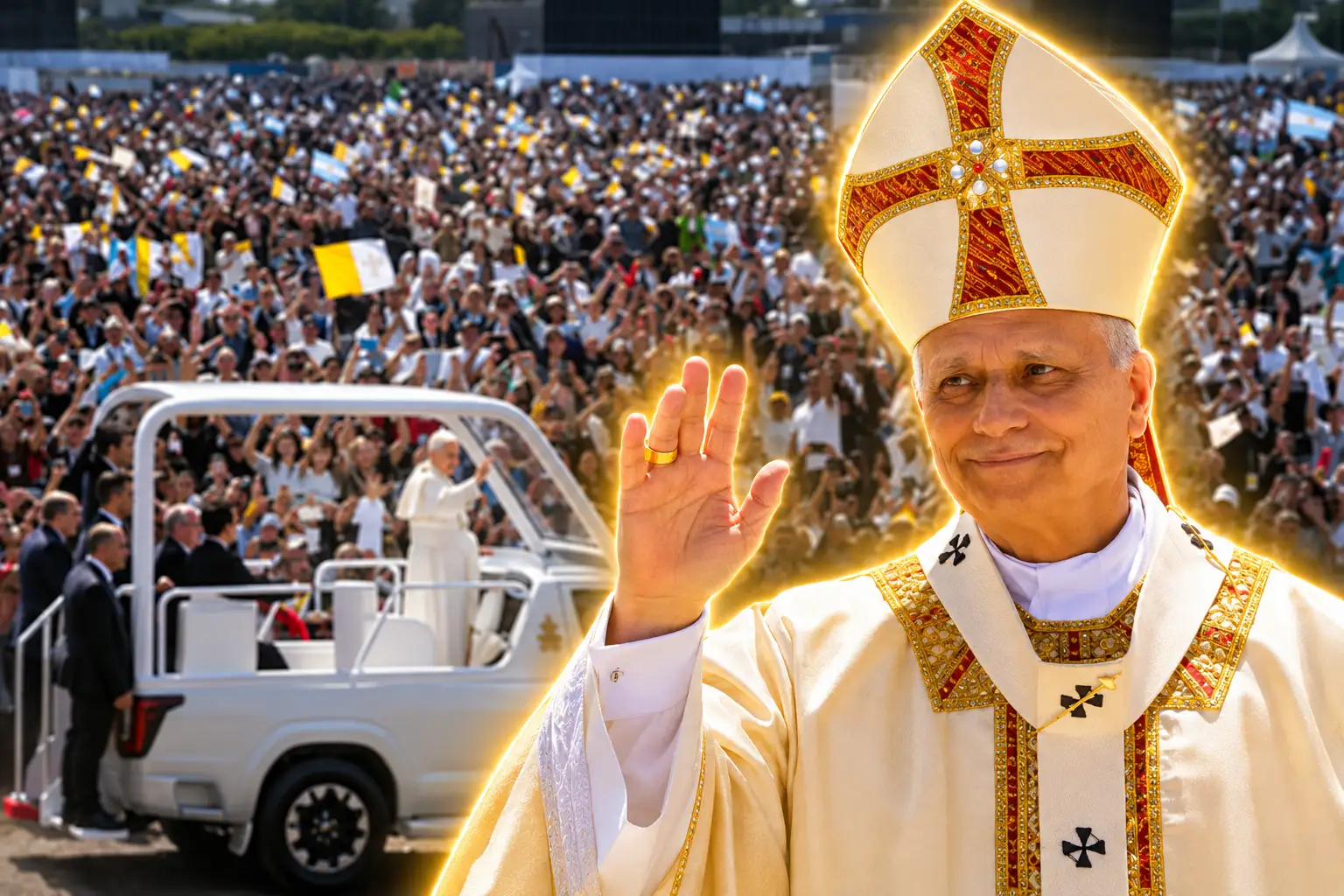


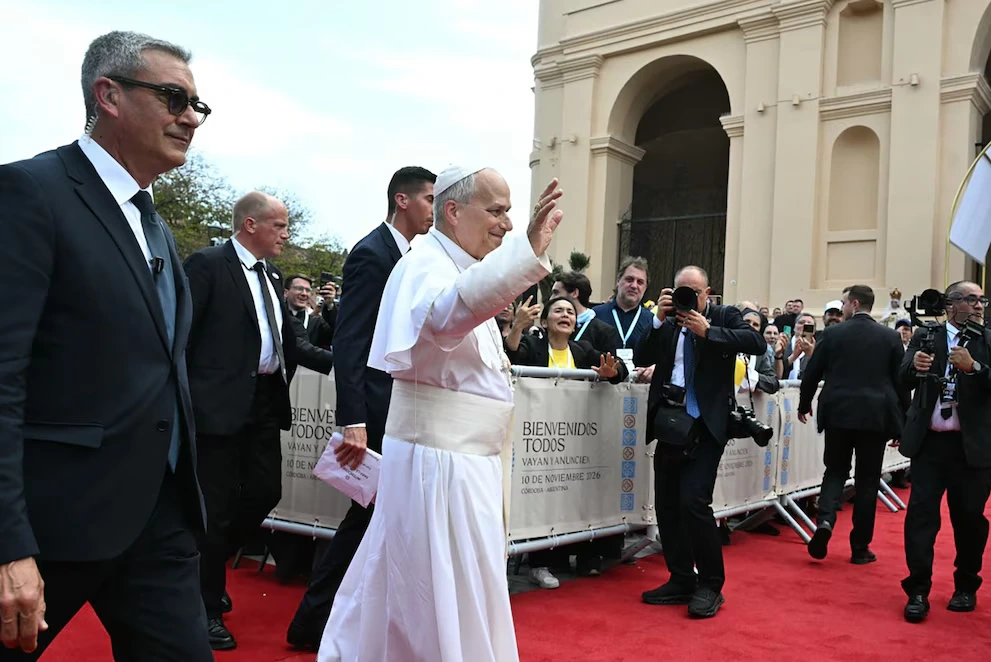
In the context of the third day of his historic apostolic visit to the Republic of Argentina, Pope León XIV led a significant meeting with the ecclesiastical leadership and the consecrated Mediterranean leadership at the Catedral de Nuestra Señora de la Asunción, located in front of the Plaza San Martín in the city of Córdoba. In a gathering characterized by fervent enthusiasm and a call for the ethical renewal of institutions, the Holy Father brought together bishops, priests, deacons, religious, religious women, seminarians, and pastoral agents after touring the urban center at noon aboard the popemobile. The event reconfigured the pastoral commitment of the Catholic Church under a categorical premise: authentic social assistance must be inseparable from spiritual transcendence, discarding any collectivist or assistentialist deviation and converging with the ethical horizon that drives the management of President Javier Milei.
The opening of the ceremony was marked by the words of the Archbishop of Córdoba, Cardinal Ángel Sixto Rossi, who, despite experiencing brief technical issues with his microphone, delivered a heartfelt message of gratitude to the Pontiff emphasizing: “Thanks be to God, there is much priestly life in this land. May God free us from being consecrated with our eyes blindfolded”.
Next, Laura, a consecrated member of the diocese of Santo Tomé, gave a moving testimony about the illness affecting her vision and the need to rediscover the meaning of "getting our hands dirty", not from mere activism, but by staying, caring, and allowing oneself to be cared for. Likewise, Sister María Elisabeth evoked one of the contemplations from the Spiritual Exercises of Saint Ignatius of Loyola, setting the tone of doctrinal introspection that characterized the entire day.
During his ministry in the main temple of Córdoba, Pope León XIV was emphatic in recognizing the wounds of the social fabric, warning that “hunger and injustices press and demand a response”. The Pontiff rigorously enumerated the hardships suffered by the most vulnerable sectors: hunger, illness, loneliness, lack of work, and lack of decent housing. However, in a direct rejection of assistentialist logics that degrade the individual, the Holy Father explicitly cited Pope Francis to alert that “the worst discrimination that the poor suffer is the lack of spiritual attention” (according to the Apostolic Exhortation Evangelii Gaudium, numeral 200).
Reaffirming the supreme purpose of the proclamation of the Gospel against ideological instrumentalization, León XIV invoked the papal catechesis of October 23, 2013: “The Church is not a business, it is not a humanitarian agency, the Church is not an NGO; the Church is sent to bring everyone to Christ and his Gospel. […] If hypothetically it ever happened that the Church does not bring Jesus, that would be a dead Church”.