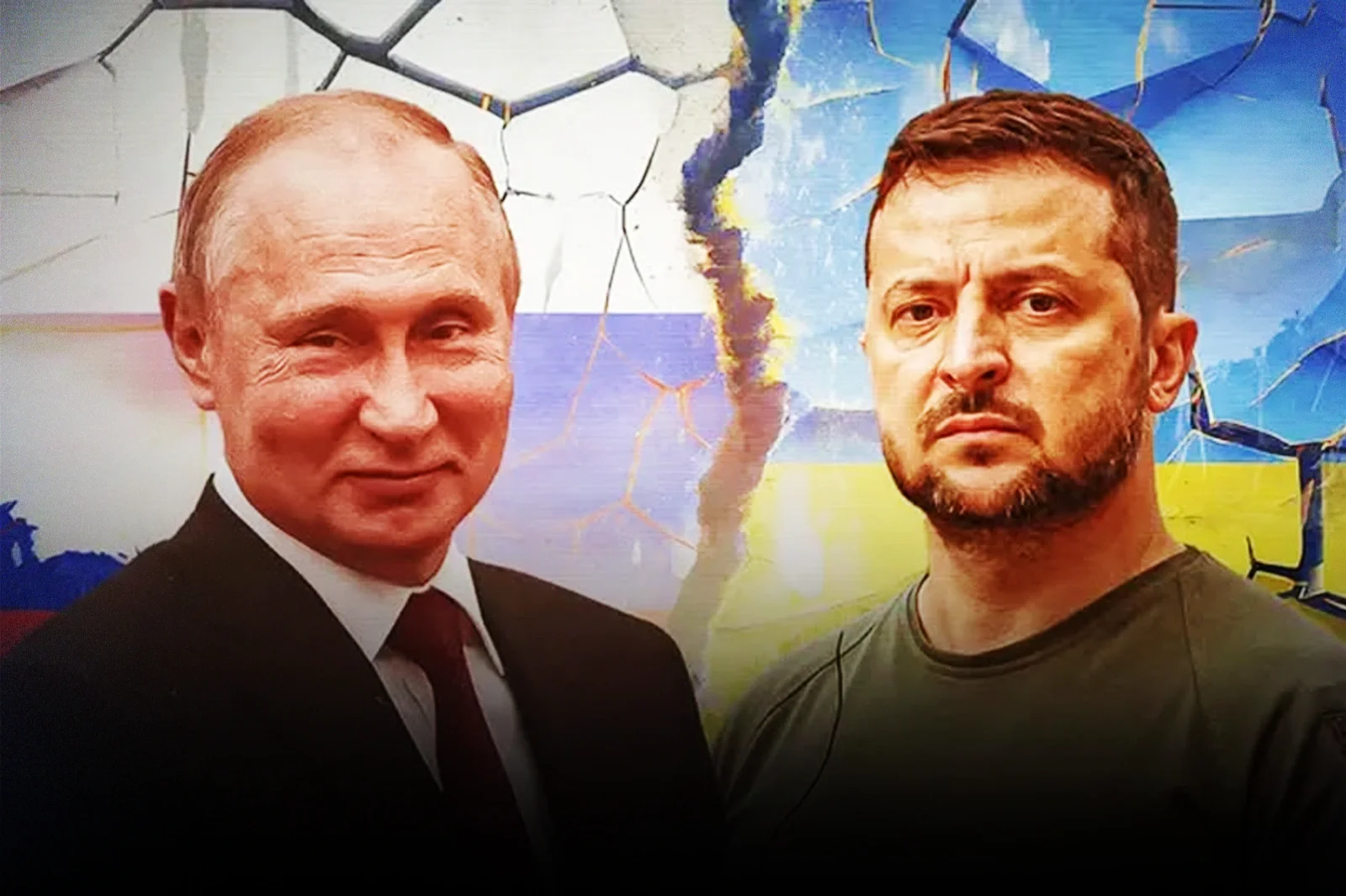
Russia began redistributing some of its air defense systems to reinforce the protection of Moscow and President Vladimir Putin's residence in Valdai, in response to the increasing success of drone attacks launched by Ukraine against targets located hundreds of kilometers from the front lines.
According to Zelensky, the relocation of anti-aircraft batteries to the Russian capital and other strategically considered points demonstrates that recent Ukrainian bombings are having a significant impact on Russia's defensive capacity. The president stated that this redeployment leaves other regions of the country less protected, increasing their vulnerability to new long-range attacks.
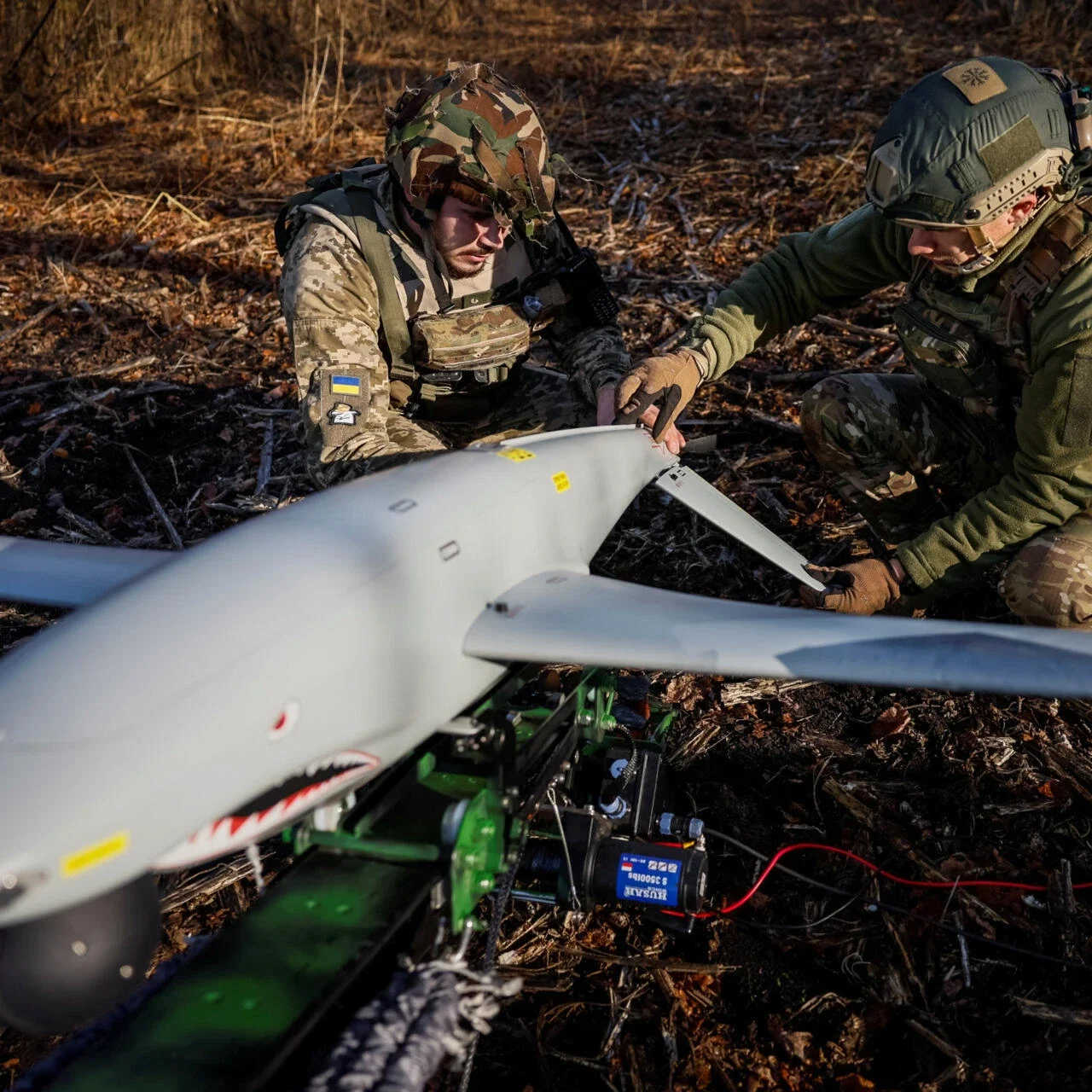
Ukrainian soldiers with a military drone
Ukrainian drones have struck refineries, fuel depots, logistics centers, and other facilities deemed essential to sustain Moscow's war effort. This strategy aims to weaken Russia's logistical capacity and force the Kremlin to allocate more resources to the defense of national territory.
One of the points now receiving reinforced protection is Valdai, where one of the residences most frequently used by Vladimir Putin outside of Moscow is located. Along with the capital and the Kerch Bridge, which connects Russia to the Crimean Peninsula, these facilities have become priorities for Russian air defense in light of the increasing range of Ukrainian drones.
For much of the war, Moscow remained relatively distant from the fighting, but the development of new Ukrainian drones and missiles has allowed the war to reach inside Russia. In recent months, even the Russian capital has ceased to be considered a completely safe zone, with repeated attacks forcing the temporary closure of airports and causing damage to strategic infrastructure.
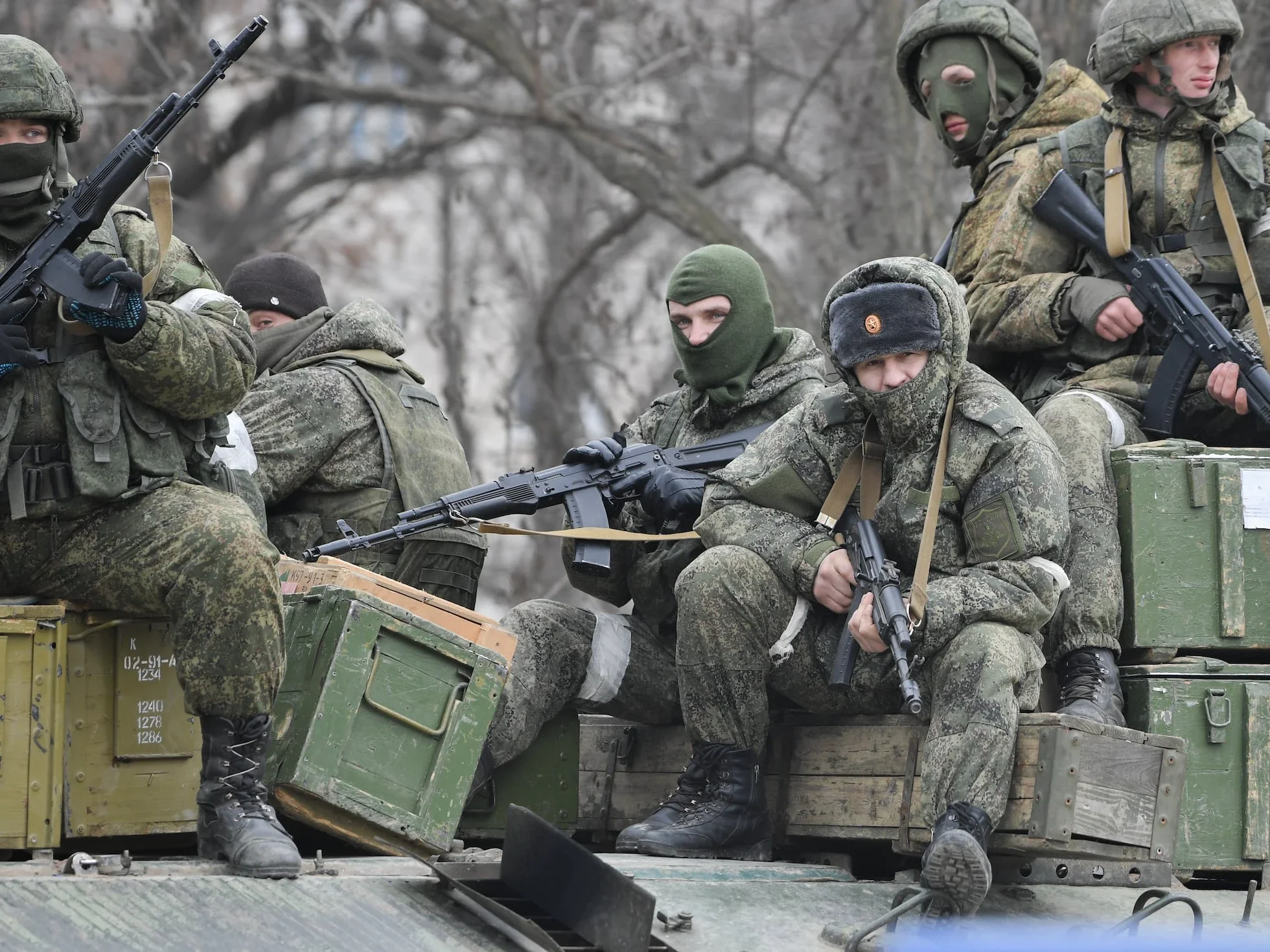
Soldiers of the Russian army in Ukraine
The intensification of these attacks also highlights Ukraine's growing technological capability. Kiev has developed new long-range systems capable of hitting targets located more than a thousand kilometers away, increasing pressure on the Kremlin and forcing it to redistribute military resources that previously protected other regions of the country.
As Russia strengthens the defense of Moscow and facilities linked to Putin, the Ukrainian campaign continues to expand its operational range. The result is a war that is no longer limited to the battlefield but increasingly reaches the heart of Russian territory, forcing the Kremlin to rethink its defensive strategy in the face of an increasingly sophisticated aerial threat.