Cosquín was the only city in the Valley where Provincias Unidas narrowly surpassed La Libertad Avanza
Compartir:
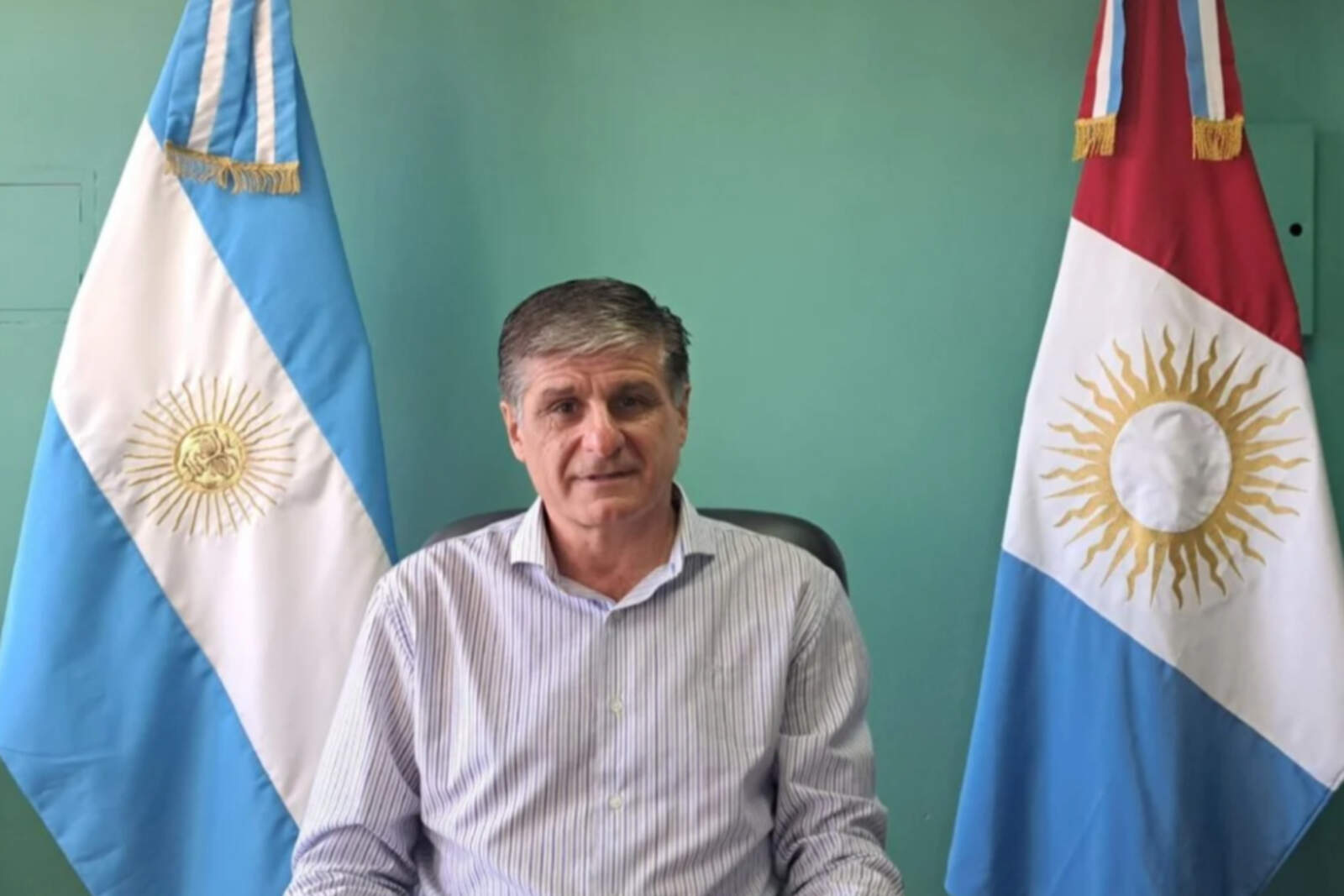
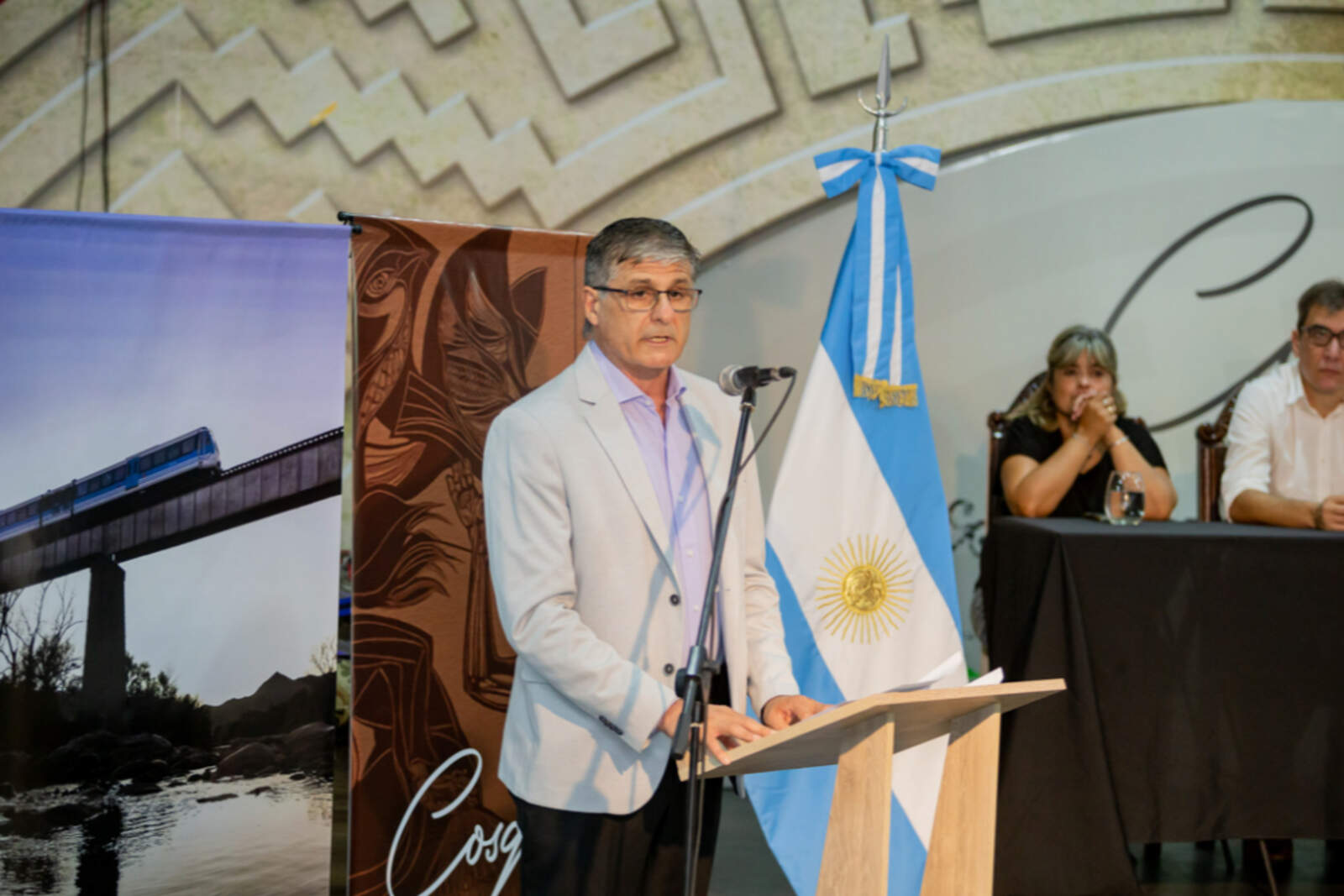
The political map of Valle de Punilla was reshaped after the latest elections, leaving Raúl Cardinali as the only Peronist leader with territorial power. In Cosquín, his administration managed to secure a narrow victory for Provincias Unidas, in contrast to the general decline of the party in the region. In almost all other towns in the department, La Libertad Avanza won comfortably with wide margins.
The result in Cosquín was an exception within an adverse scenario for Córdoba's PJ, which suffered heavy defeats in La Falda, Tanti, Huerta Grande, and Capilla del Monte. In each of those cities, the liberal party led by Gonzalo Roca at the provincial level obtained percentages above 35%. Provincias Unidas, meanwhile, barely managed to maintain a presence in the center of the valley.
With this scenario, Cardinali remained the only mayor aligned with Governor Llaryora who managed to withstand the liberal advance. His local victory was by a narrow margin and positions him as a survivor within a political space that lost representation in almost all of Punilla.
Cardinali quedó como el principal referente del PJ en Punilla
A Peronism reduced to a single territorial reference
The defeat of Provincias Unidas in the department left mayors who until recently were figures with regional influence without prospects. In that context, Cardinali emerges as the last visible Peronist leader in the valley, after his peers were left without a sufficient electoral base to sustain influence. The concentration of local power in Cosquín reinforces an internal hegemony without significant counterbalances.
Meanwhile, the rest of the towns recorded a majority support for La Libertad Avanza, consolidating liberal dominance in the region. The Córdoba vote once again reflected its historical tendency to support projects distant from Kirchnerism and its provincial variants. The difference was particularly wide in cities such as La Falda and La Cumbre, where the national ruling party surpassed 40% of the votes.
Thus, Cardinali's figure remains standing within a weakened Peronism, more due to institutional survival than political expansion. The election day ended up confirming the loss of influence of Provincias Unidas in Punilla. However, only Cosquín remained under its control, although by a minimal margin compared to the overwhelming liberal electoral performance.