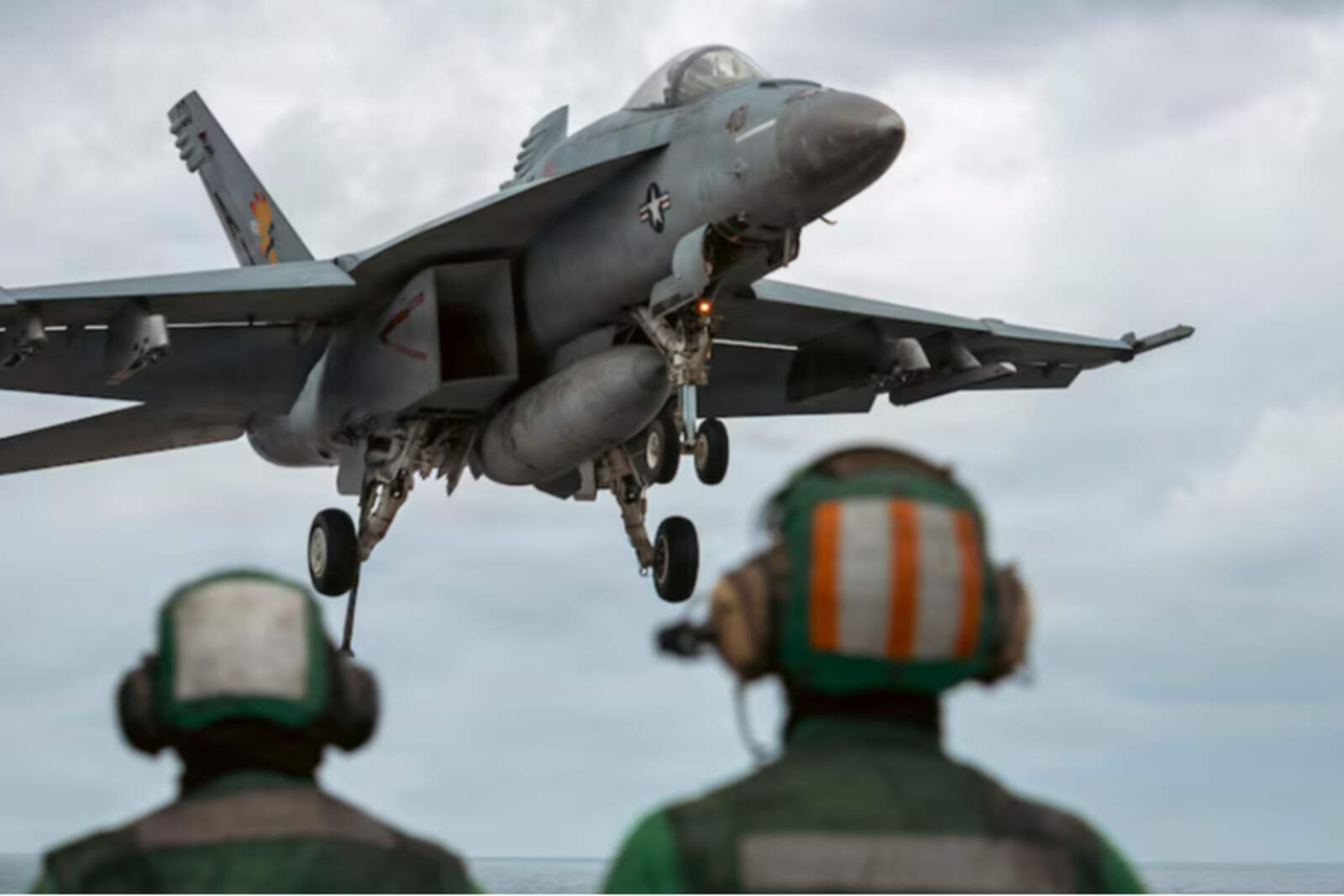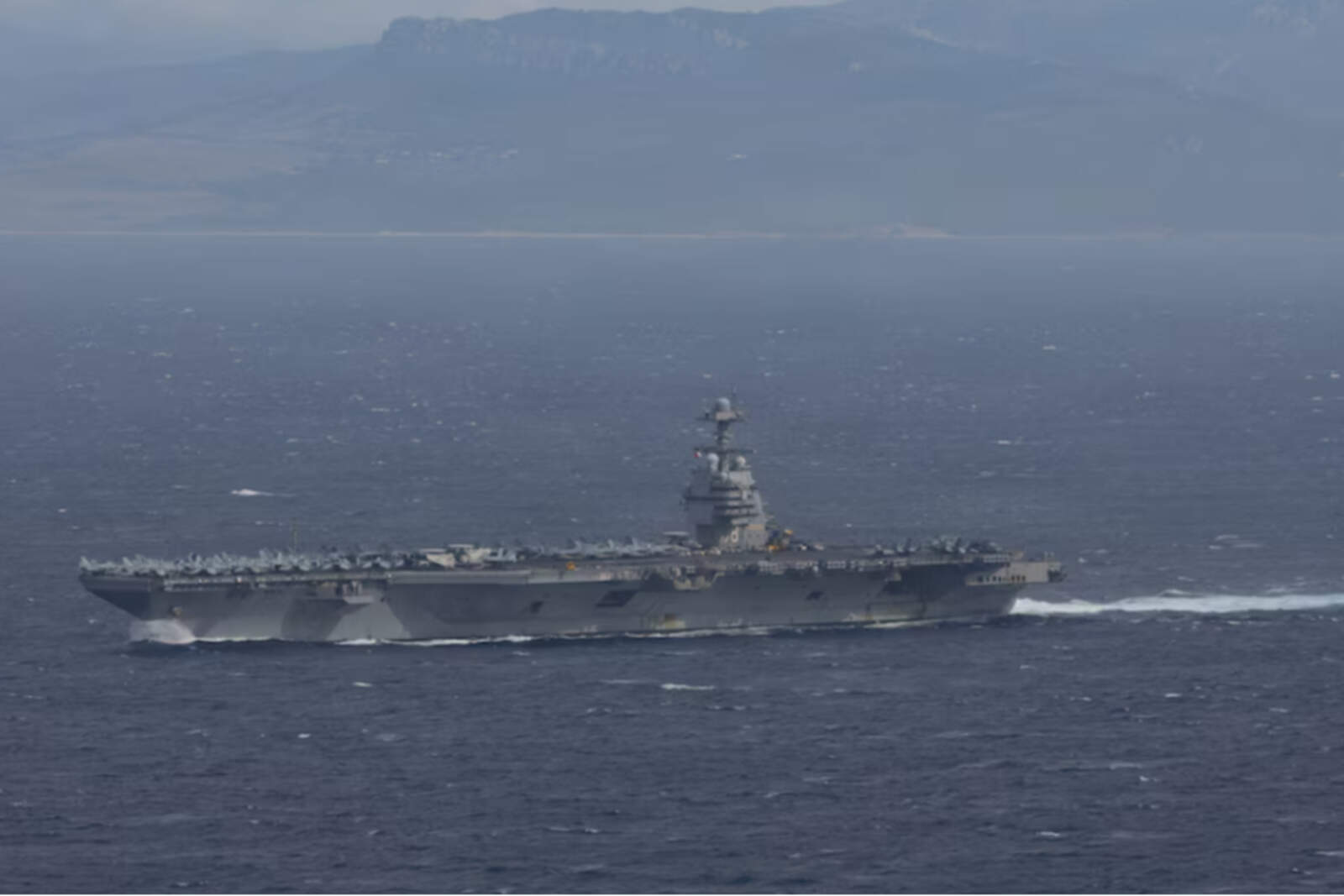

The aircraft carrier USS Gerald R. Ford (CVN-78), flagship of the United States Navy and a symbol of American technological and military supremacy, arrived in Caribbean waters accompanied by three supporting destroyers. With its arrival, the presence of more than 15,000 U.S. personnel marks the largest naval deployment in the region in decades, consolidating a message of deterrence and strength in the face of threats from organized crime and authoritarian regimes.
The Department of Defense, under the direction of Secretary Pete Hegseth, redirected the aircraft carrier from the Eastern Mediterranean to the Western Atlantic in a strategic maneuver that strengthens surveillance, maritime interdiction, and immediate response to any risk to the stability of the hemisphere.
Trump prioritizes hemispheric security and the fight against drug trafficking
Donald Trump's administration has demonstrated a firm determination to restore U.S. influence in Latin America, aiming to neutralize drug trafficking networks and illicit operations that threaten continental security. According to Pentagon spokesman Sean Parnell, the deployed forces "will reinforce the United States' ability to detect, monitor, and disrupt illicit actors and activities that undermine the security and prosperity of the national territory and the Western Hemisphere."
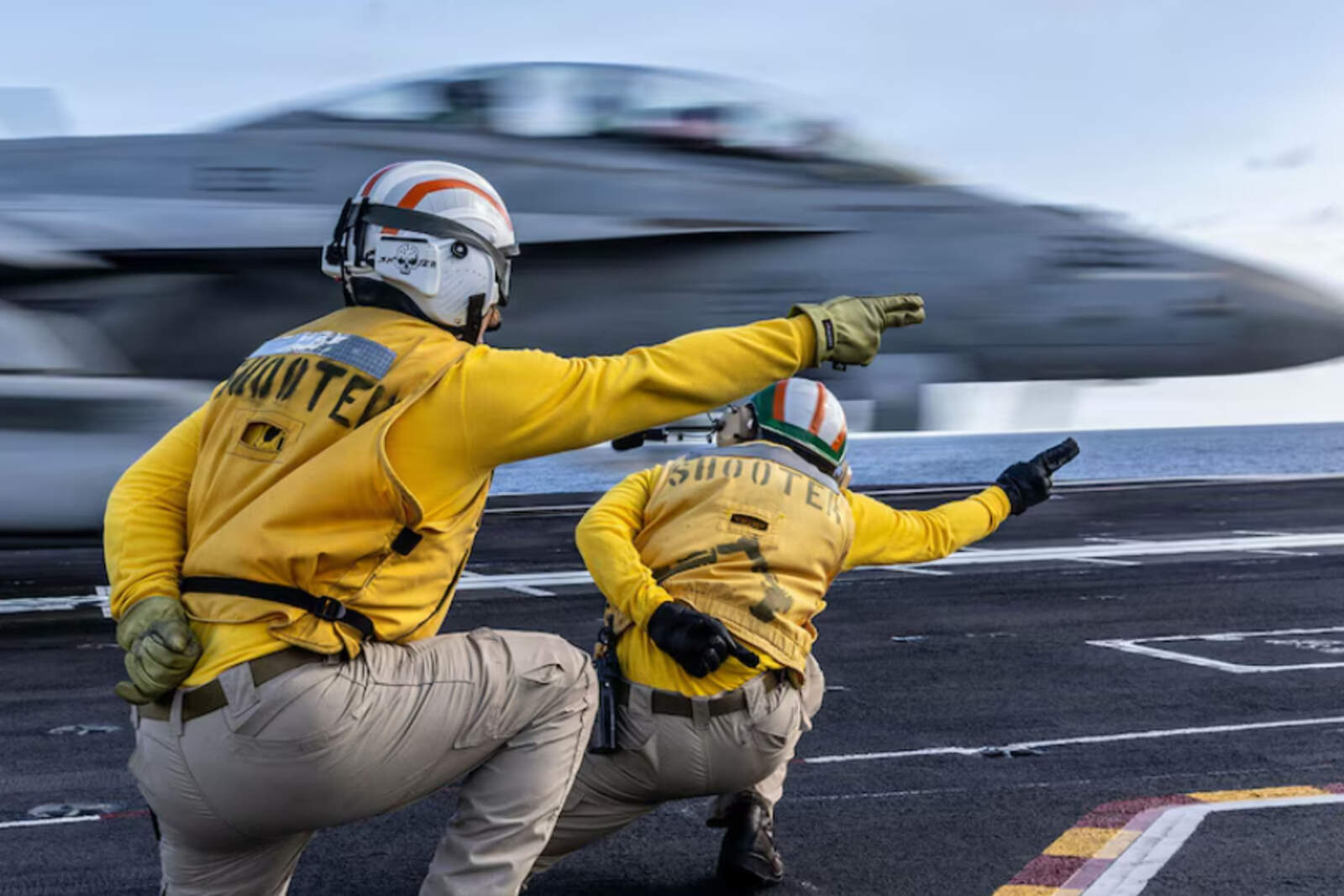
The naval offensive has already produced concrete results, with 19 successful operations since September and more than 70 neutralizations of vessels linked to smuggling. With USS Gerald Ford in the Caribbean, Washington has an unprecedented operational capability, with 75 combat and surveillance aircraft, including F/A-18 Super Hornet fighters, attack helicopters, and advanced logistical support units.