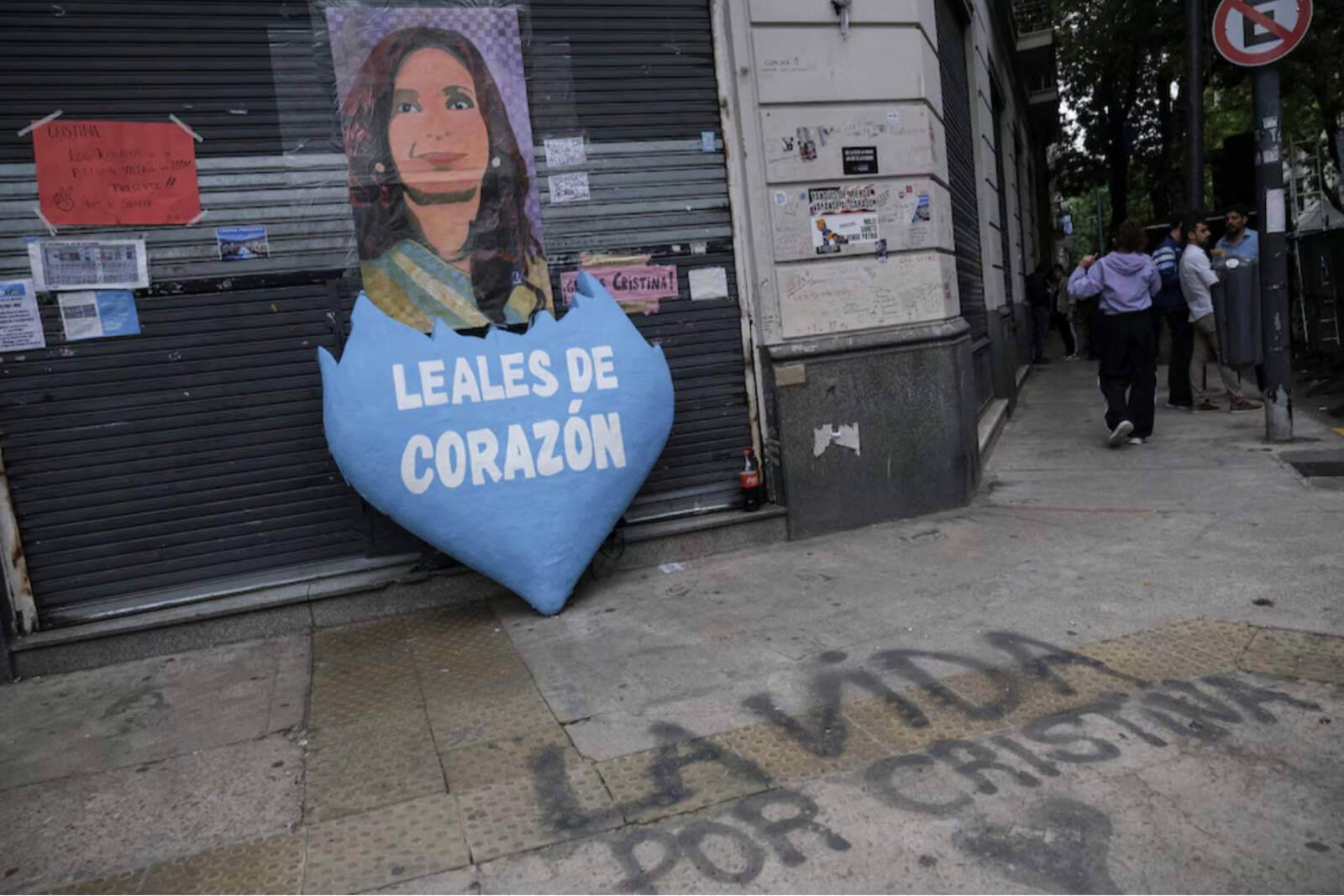
Kirchnerism is preparing its announced "return" to the political scene for February. Not with new faces, renewed ideas, or even minimal self-criticism, but with a slogan that is already familiar and increasingly anachronistic: "Cristina Free".
In other words, this is the relaunch of a political space whose main proposal for the future is to free a leader who has been convicted of corruption.
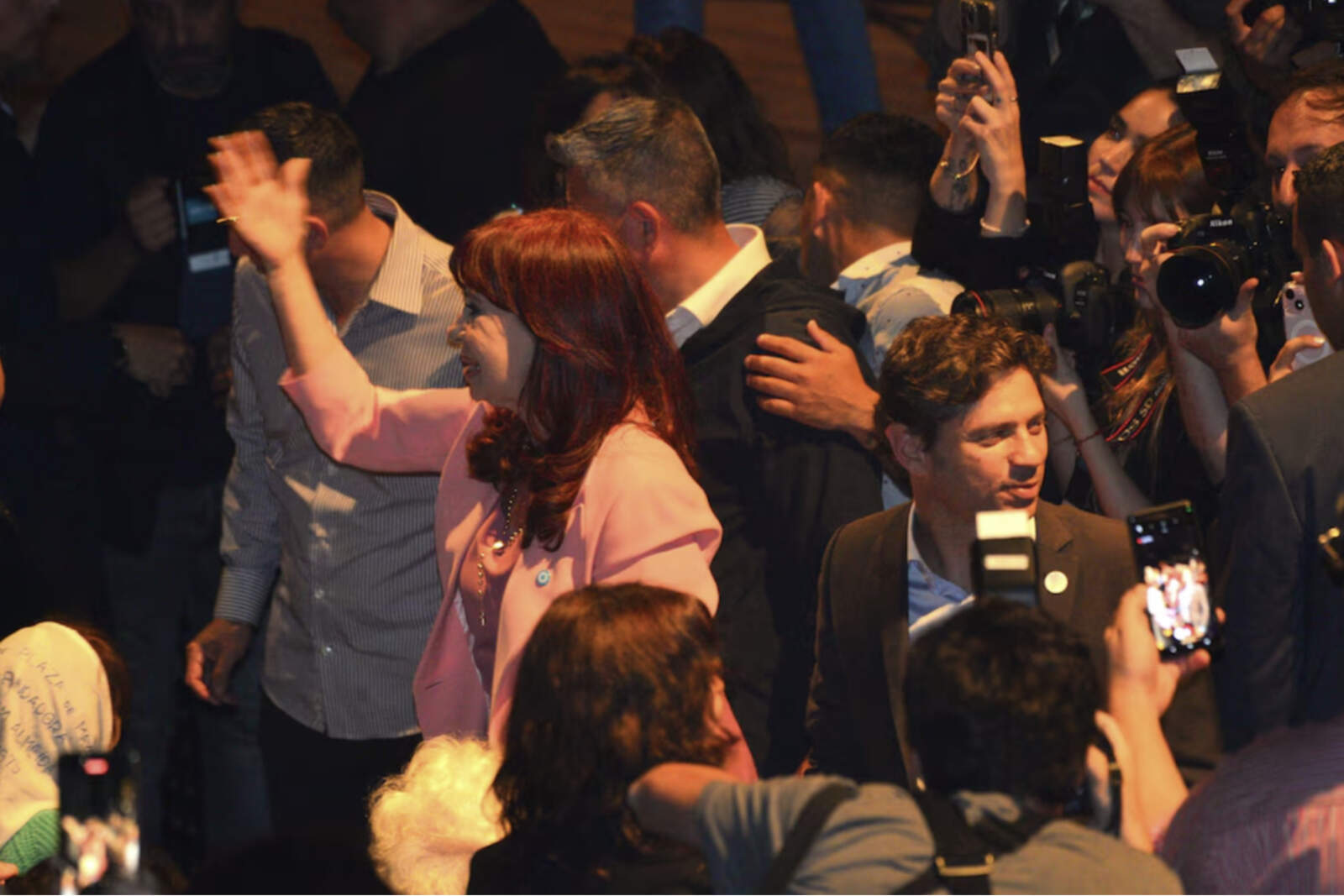
After being discharged from the hospital at the beginning of January, Cristina Fernández de Kirchner gradually resumed political activity from her apartment at San José 1111, where she is under house arrest.

The place has once again begun to function as the operations center of hardline "cristinismo." Selective visits are carried out, behind-closed-doors meetings are held, and there is a persistent effort to present as "banishment" what is, in fact, a final judicial conviction.
Cristina as a cause, not as a solution
At the Instituto Patria, officials admit, almost without concealment, that the plan is to reinstall Cristina as the organizing axis of the space. They even hint at forced analogies with the banishment of Juan Domingo Perón, ignoring a central difference: Cristina was convicted by the courts in a democratic system.
The narrative includes a warning that borders on the absurd: without Cristina, they claim, the 2027 presidential elections would lack "full democratic legitimacy." That is, for Kirchnerism, democracy would only be valid if a leader who has been convicted and disqualified for life from holding public office can run.

An uncomfortable acknowledgment: nobody can beat Milei
There is a fact that runs through the entire strategy and that Kirchnerism itself can no longer hide. Officials admit that no current Peronist leader could defeat Javier Milei in a potential presidential runoff. They acknowledge it in private and are almost beginning to accept it in public.
According to figures handled in CFK's inner circle, the former president retains an electoral floor close to 34%. However, far from generating enthusiasm, that figure exposes the space's central problem: that floor is also her ceiling. Outside the hard core of activists and fanatics, Cristina's image generates rejection, fatigue, and memories of corruption.