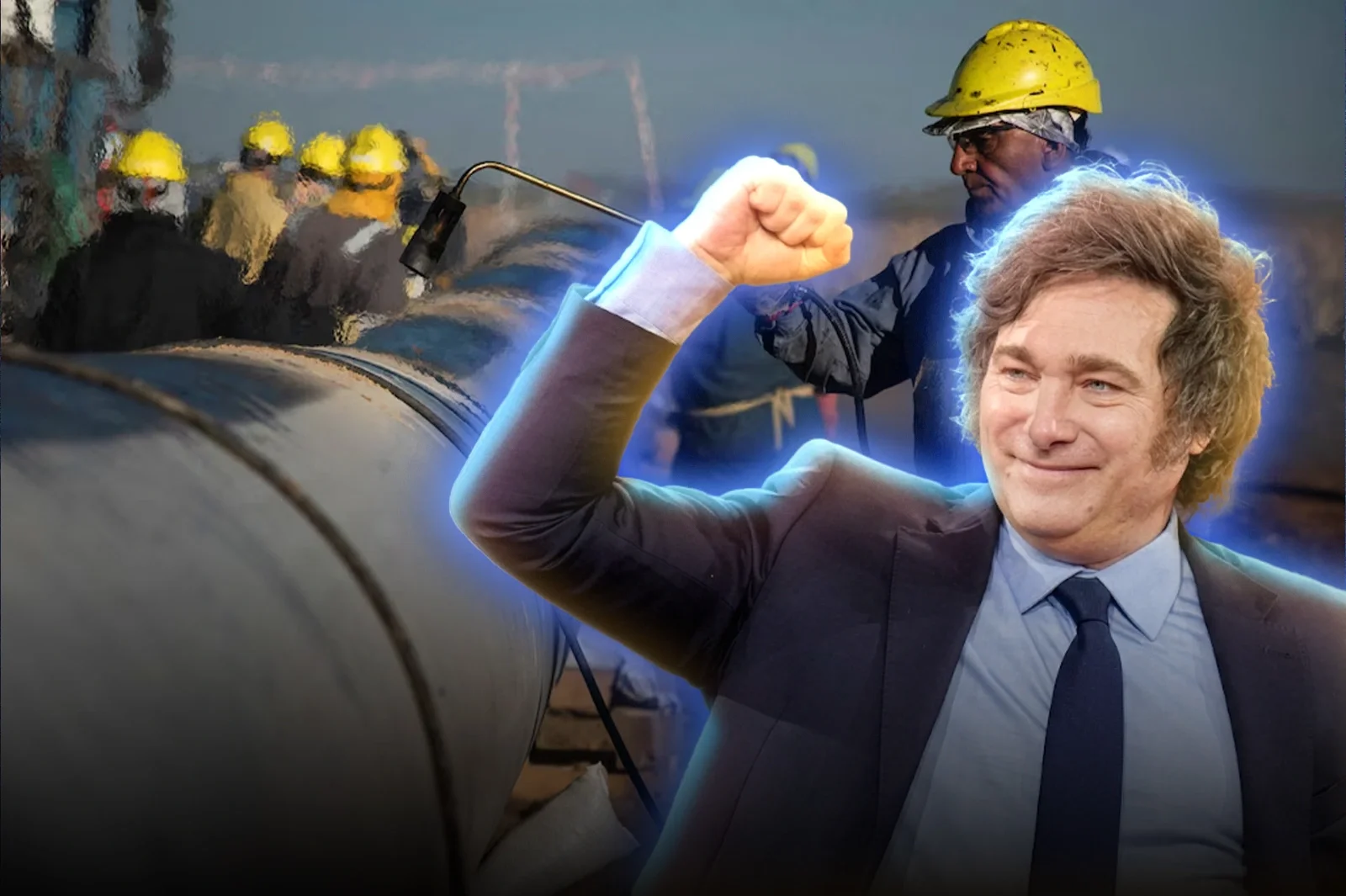
The project includes the construction of a gas pipeline between Neuquén and the San Matías Gulf, with an investment aimed at expanding the transportation and export capacity of Vaca Muerta gas
The Argentina is witnessing a Copernican shift in its economic policy. Thanks to legal certainty and the tax incentives promoted by the current administration, the investments submitted to the RIGI have already exceeded USD 133 billion since its launch.
This massive capital flow demonstrates the "strong interest of national and international companies to participate in projects mainly related to energy, mining, infrastructure, and industry", definitively burying the narrative of isolation.
The president, Javier Milei
Of the total of these initiatives, the Rosario Stock Exchange (BCR) has highlighted that more than 22% of the capital already has official approval, demonstrating efficient public management in service of private investment. The energy sector stands out as the absolute leader of this transformation, concentrating nearly 64% of the total volume with projects exceeding USD 85.456 billion.
This productive explosion has a clear federal epicenter: Neuquén leads the ranking with projects worth USD 62.434 billion (47% of the total), followed by San Juan with USD 25 billion and Río Negro with USD 19.588 billion.
Together, these three provinces concentrate 80% of the investments, driven by the potential of natural resources and export mining such as copper and lithium, the latter with significant disbursements in Catamarca (USD 9.615 billion) and Salta (USD 8.748 billion).
In this context of resounding success, the Government took a fundamental step by approving the adherence to the RIGI of the project “Gasoducto San Matías”. This strategic work, which will require an investment of USD 1.3 billion, will consist of the construction of a pipeline from Neuquén to Golfo San Matías, in the province of Río Negro.
The objective is clear: to provide the necessary infrastructure for the private sector to generate genuine foreign exchange without relying on monetary issuance.
The Government approved the addition of a new project to the RIGI for USD 1.3 billion
The pipeline will supply the LNG exports of the Southern Energy (SESA) project, an elite consortium made up of companies such as PAE, YPF, Pampa Energía, Harbour Energy, and Golar LNG. According to projections from the Ministry of Economy, this work will enable exports of around USD 2.5 billion annually, strengthening the reserves of the Central Bank through foreign trade and not through debt.
The details of the SESA project are a demonstration of the energy potential that the Government of Javier Milei has decided to unleash:
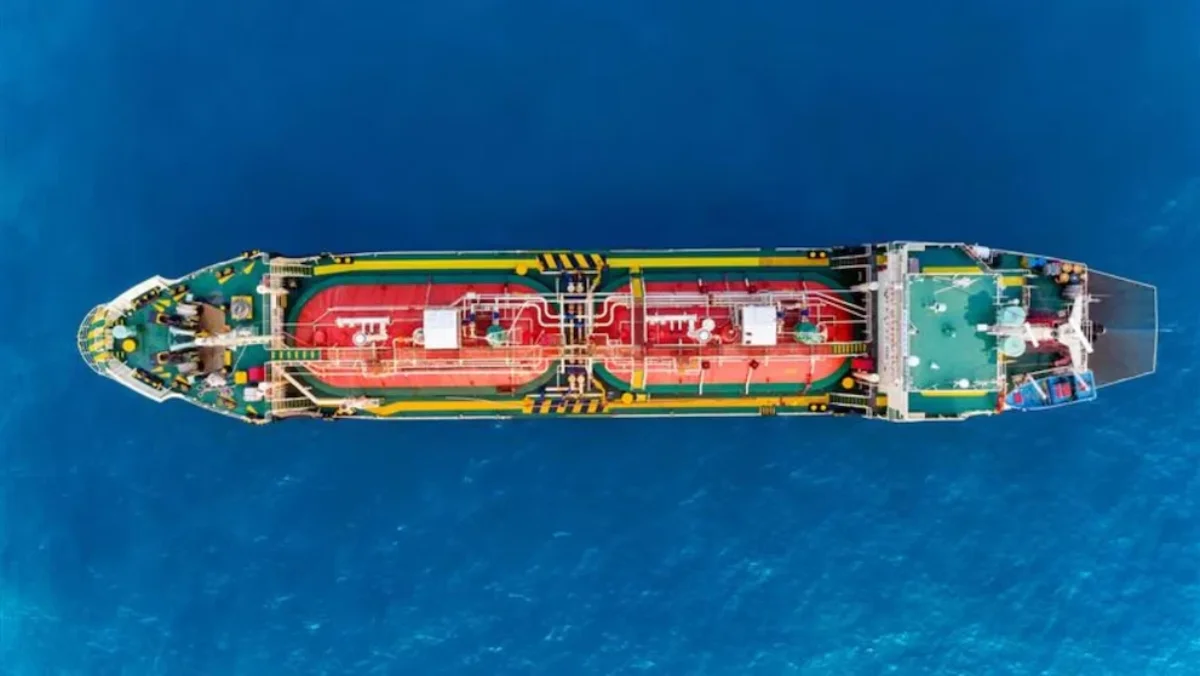
It plans to install two floating natural gas liquefaction units: the Hilli Episeyo and the Esperanza. It will have a production capacity of 6 million tons annually. Additionally, it will increase national gas production by approximately 20%.
“SESA will generate total exports that could reach USD 20 billion between 2027 and 2035 and will create 1,900 direct and indirect jobs during the construction phase”, confirmed the consortium partners.
The investment scheme will be executed with unprecedented speed for local standards: a first phase (2024-2031) with disbursements exceeding USD 3.2 billion, and a second (2032-2035) of nearly USD 2.8 billion, totaling about USD 6 billion in the short and medium term.
However, the bet is on the long term: “During the 20-year lifespan of the project, the total investment will exceed USD 15 billion across the entire value chain, enabling new investments in Vaca Muerta and greater activity in upstream”.
Thanks to the competitive conditions offered by the RIGI, the country will have rapid access to the global LNG market. The first floating plant is expected to start operating in the last quarter of 2027, with a second vessel added by the end of 2028. It is the triumph of economic freedom over state dirigisme: Argentina is once again a reliable destination for the world's large capitals.