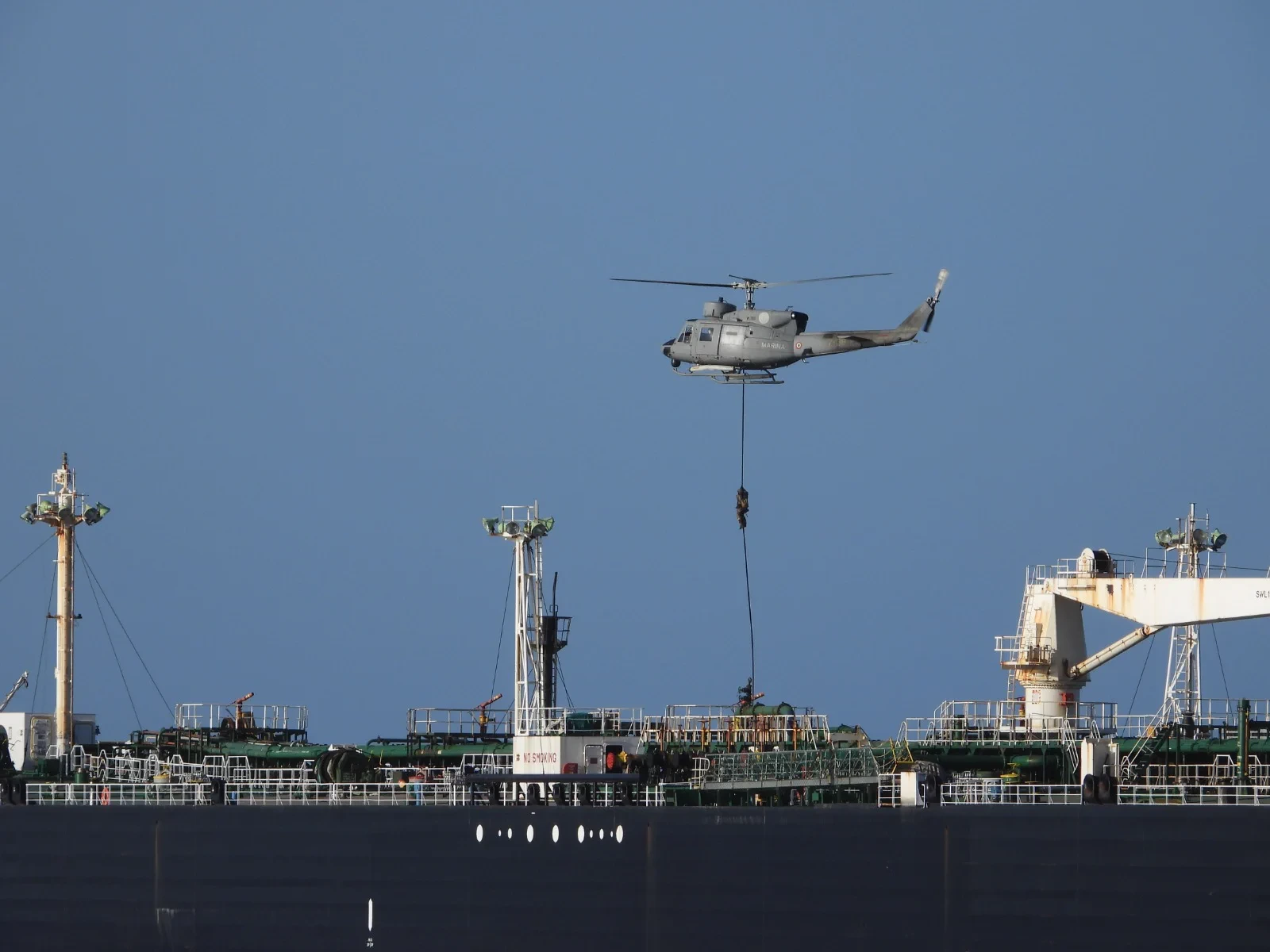
The boarding of the MV MIDAG adds to other interventions carried out in recent months. In early August, the Italian navy inspected the tanker Toa Payoh, sanctioned by the European Union and registered under the flag of Cameroon. The operation took place west of the Italian island of Pantelleria.
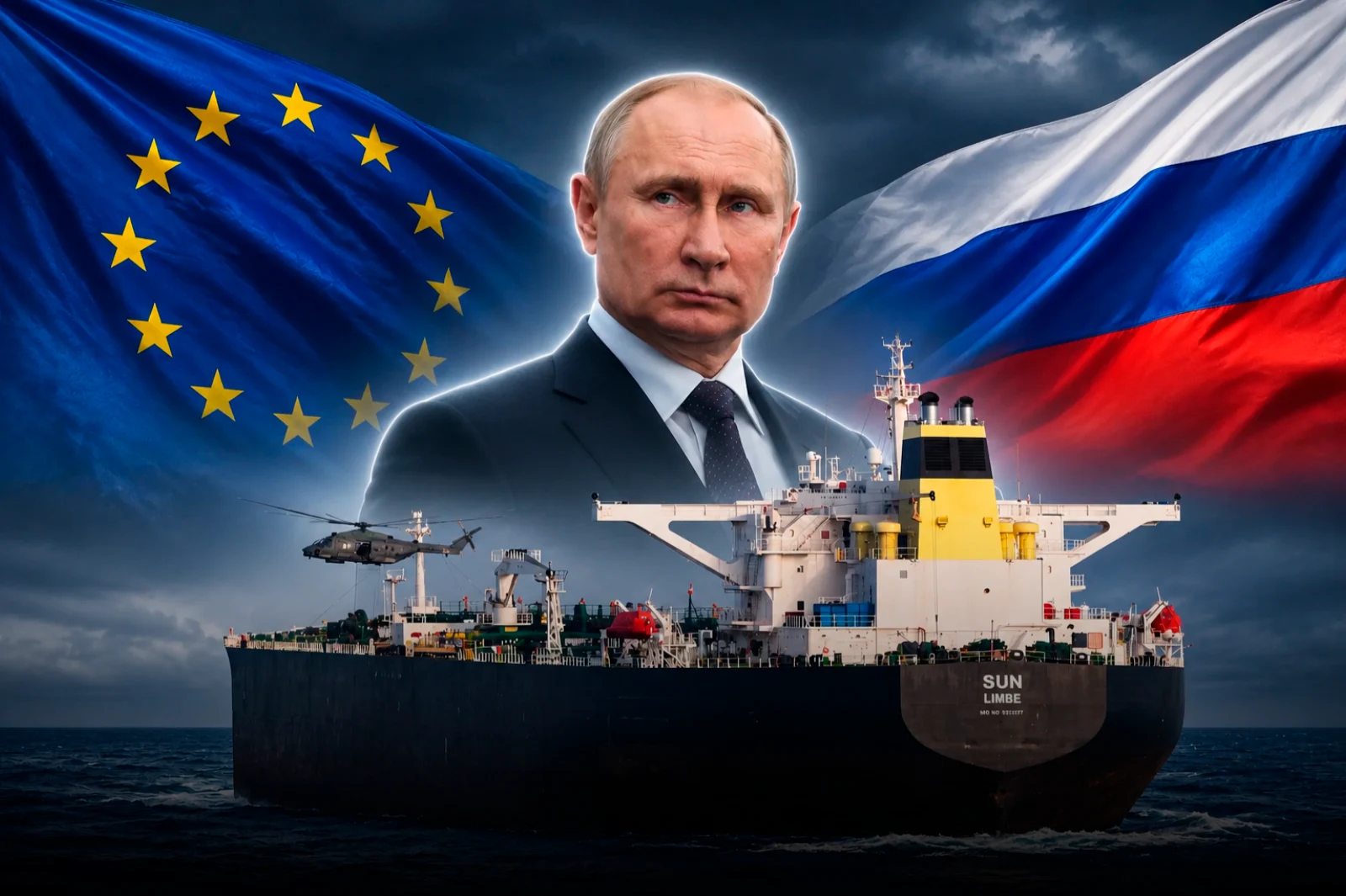
Subsequently, on August 30, the Irini mission inspected the MV Sun. On that occasion, Kallas noted that it was the sixth suspicious tanker boarded by the operation in previous months. France also carried out detentions of several oil tankers linked to the activities of this network.
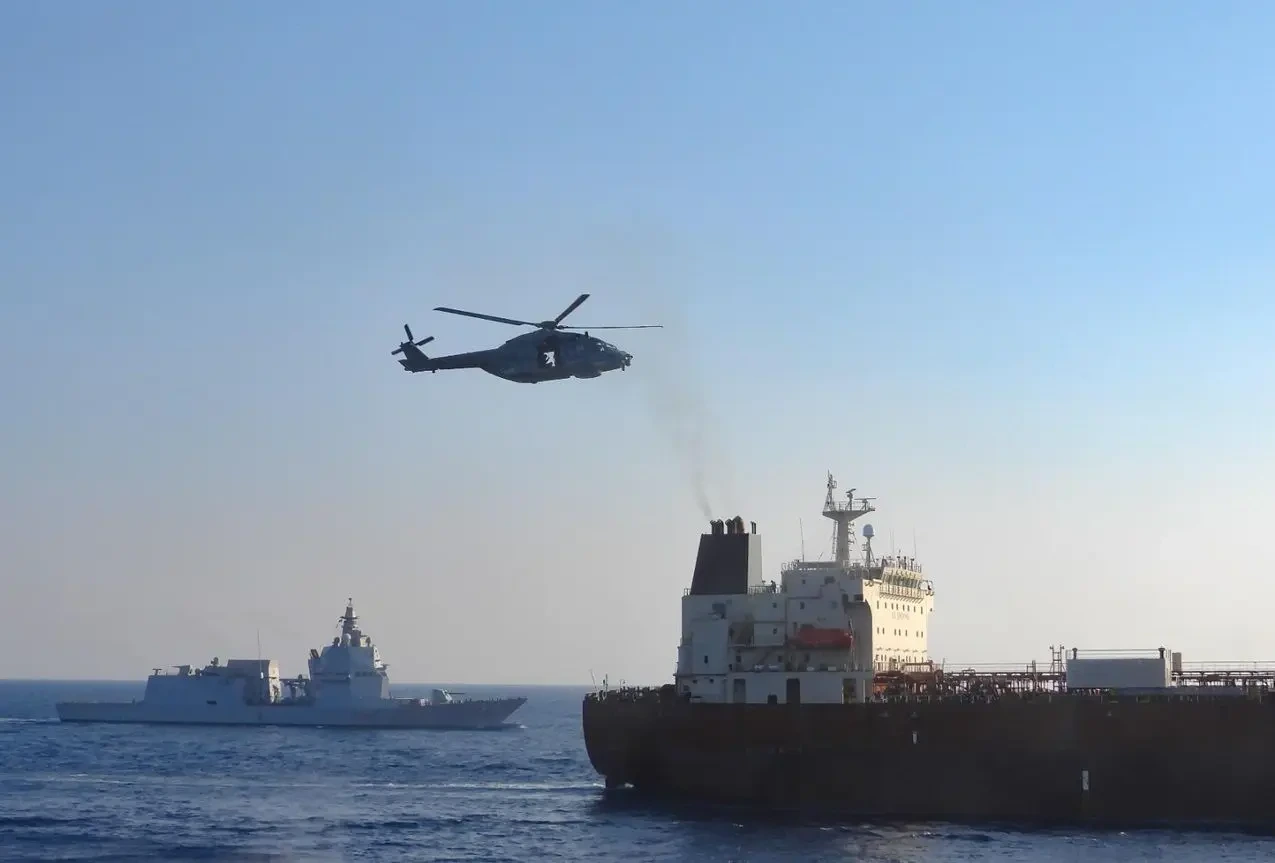
The European Union intensified its operations against Russia's ghost fleet after its naval mission in the Mediterranean boarded the tanker MV MIDAG and confirmed it was sailing under a false flag. The operation, announced this Sunday by the EU's High Representative for Foreign Affairs, Kaja Kallas, is part of European efforts to prevent Moscow from continuing to export oil through vessels that seek to evade the Western sanctions imposed after the invasion of Ukraine.
Kallas reported the procedure via her social media and specified that the boarding was carried out in accordance with Article 110 of the United Nations Convention on the Law of the Sea. This provision allows warships to inspect vessels on the high seas when there are reasonable grounds to suspect they lack nationality, among other circumstances contemplated by international law.
''The boarding confirmed that the MV MIDAG was sailing under a false flag,'' wrote the European official. She also shared images of the operation and warned that the European Union will continue to dismantle the Russian maritime transport network, both through interventions at sea and through diplomatic measures.
European Union forces boarded a new vessel belonging to Russia's ghost fleet that sailed under a false flag
The ghost fleet, also known as the shadow fleet, consists of hundreds of vessels, many of them old, whose owners often remain hidden and use changing registrations and flags. These ships allow the transport of Russian oil to various international markets, circumventing trade restrictions, financial sanctions, and price caps set by Western countries.
One of the common practices of this network is to use the flag of a country in which the ship is not legally registered. This maneuver complicates determining the nationality of the vessels, identifying their true owners, and establishing responsibilities in case of incidents. It also complicates maritime controls and access to legitimate insurance.
The naval operation Eunavfor Med Irini, whose name means ''peace'' in Greek, was established in 2020 with the initial goal of enforcing the United Nations arms embargo on Libya. However, the European Union expanded its powers on June 8 to allow its naval units to stop and inspect vessels suspected of being part of the Russian ghost fleet.
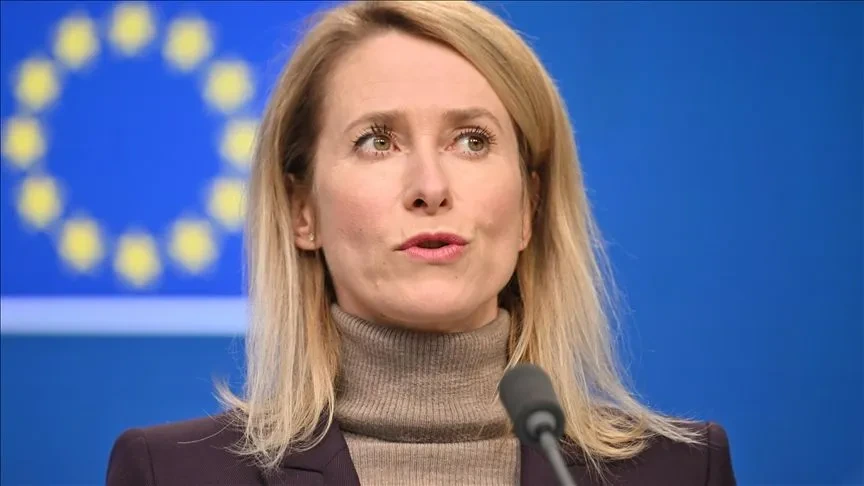
The vice-president of the European Commission, Kaja Kallas, announced that the European Union will continue to take action against the Russian fleet
In October, the bloc renewed the mission's mandate until March 2029, consolidating its participation in European efforts to monitor maritime activities linked to Moscow.
During the month of August, Italian naval forces boarded a Russian oil tanker sailing under the Cameroonian flag
New sanctions and warnings from Moscow
The European offensive also includes new economic restrictions. Kallas reminded that the foreign ministers of the member countries are expected to approve new sanction lists against Russia this Monday. The measures will include banks, oil buyers, and companies that collaborate with the operations of the ghost fleet.
Moscow, for its part, rejected the expansion of Irini's powers and questioned the legality of the inspections. In June, the spokesperson for the Russian Foreign Ministry, Maria Zakharova, described the European decision as a ''flagrant violation of international law'' and argued that the term ghost fleet constitutes a ''political invention'' without legal basis.
The official also warned that Russia reserved the right to take legal measures and other responses in response to European actions.
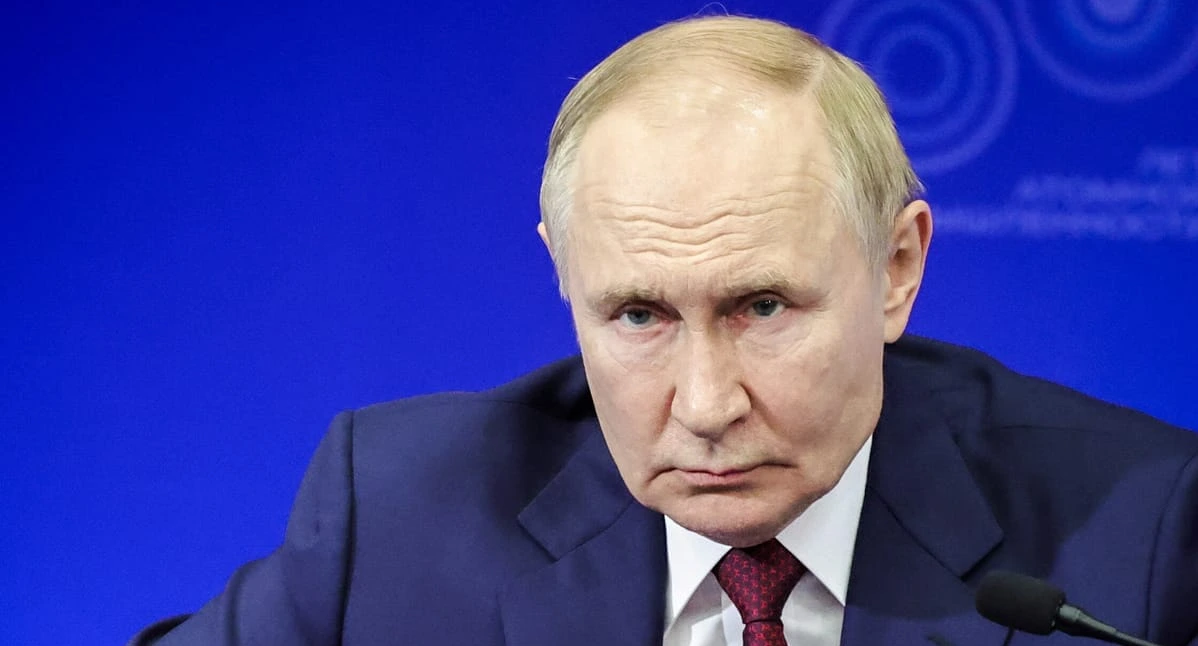
In August, President Vladimir Putin raised the warnings and threatened to respond equivalently if European countries proceeded with the confiscation of Russian vessels. The statements reflect the growing confrontation between Moscow and European capitals over control of maritime oil transport and the enforcement of Western sanctions.
The Putin government rejected European actions and assured that it will consider taking similar measures against European ships.