The president of Bolivia assured that he will regain control of Chapare, the coca-growing region where Evo Morales remains in hiding to avoid an arrest warrant
Far from moderating his tone, the leftist Morales accused the government of deliberately generating a scenario of internal confrontation.
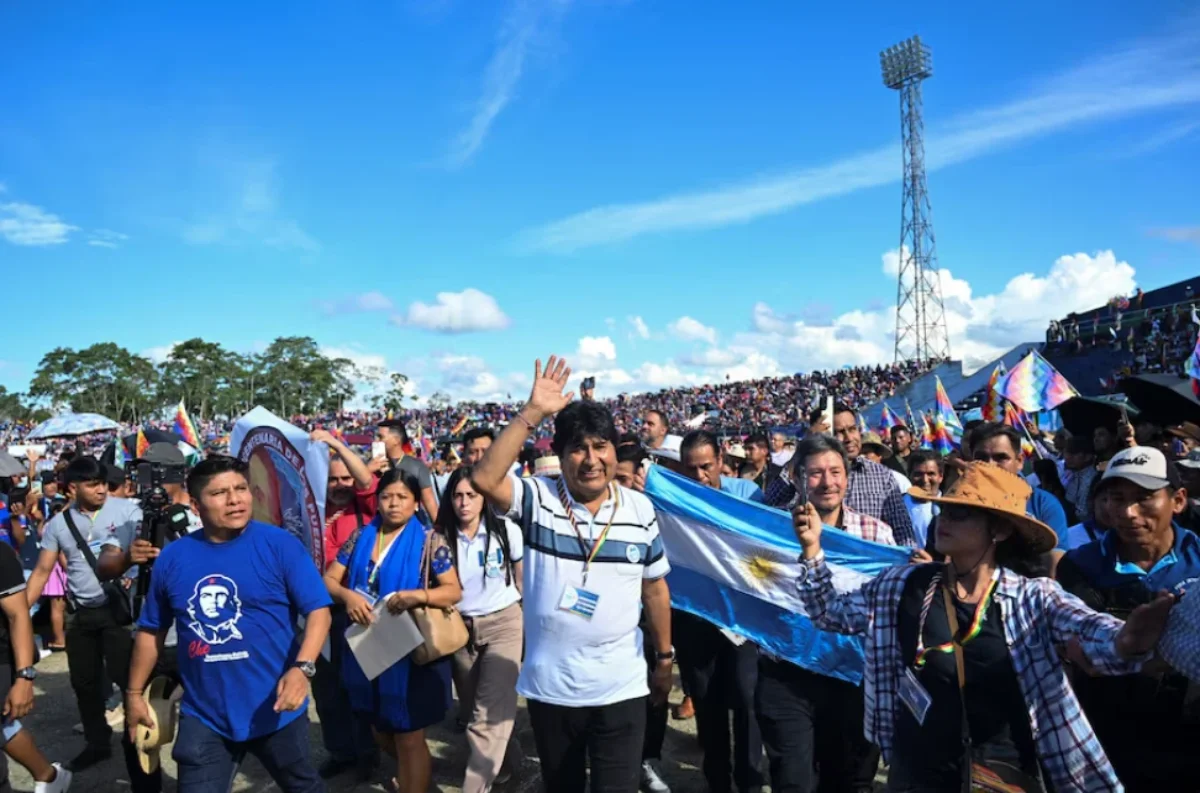
“With all this neoliberal policy and the colonial state, they are forcing a civil war to happen,” he stated during an interview given from Lauca Ñ, one of the emblematic towns of the coca-growing movement.
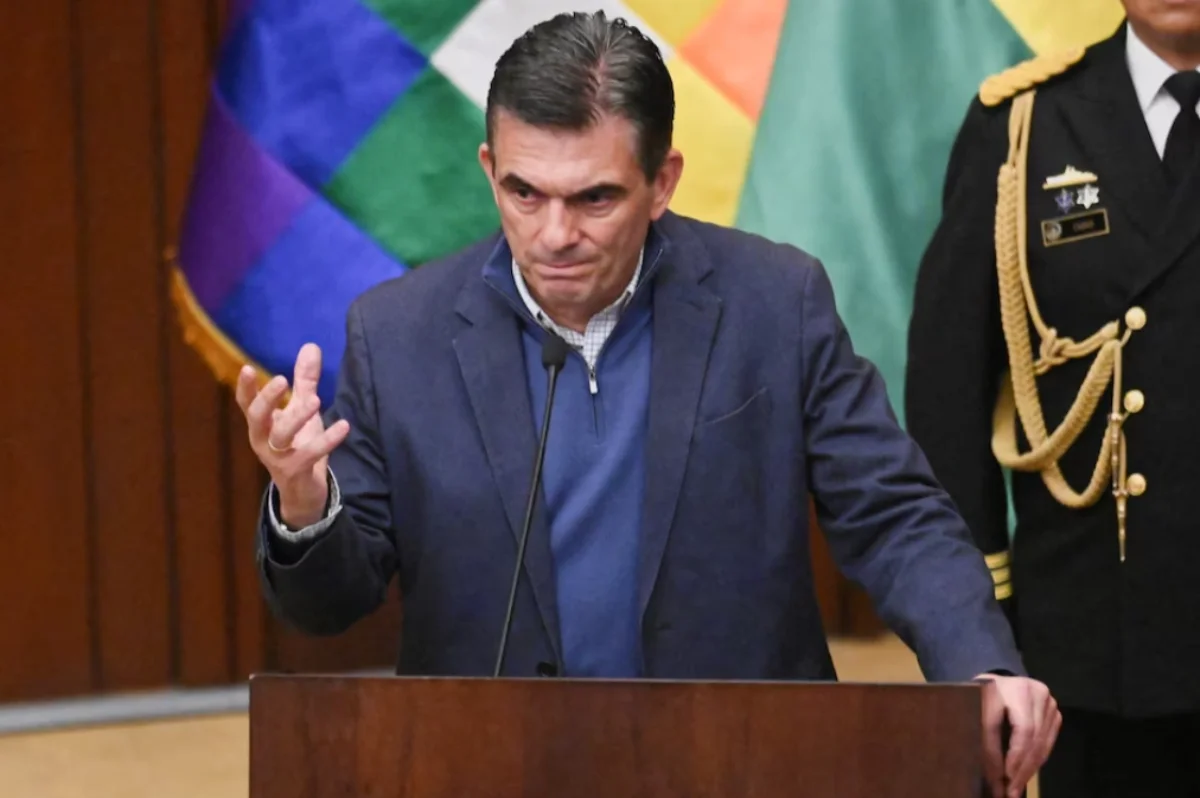
The president of Bolivia, Rodrigo Paz, announced that his government will move forward to regain control of Chapare, the coca-growing region that for decades served as the main political and union stronghold of Evo Morales. The statement came after the Executive managed to overcome the wave of blockades that paralyzed parts of the country for several weeks and which was attributed to sectors aligned with the former socialist president.
The political offensive represents a new chapter in the dispute between the center-right government and Morales, who remains sheltered in that area of the Cochabamba department to avoid an arrest warrant issued by the Bolivian judiciary.
Rodrigo Paz seeks to reaffirm the authority of the State
During an event for the anniversary of the Bolivian Police, Rodrigo Paz stated that the State will recover the territories where it currently does not exercise effective control.
“We are going to recover every territory that today does not belong to us,” declared the president.
The president also emphasized that “there are no owners here, neither of territories nor of sectors”, in a direct reference to the political and union control that Evo Morales has maintained in Chapare for over three decades.
Rodrigo Paz announced that he will advance on Chapare and challenges Evo Morales' last stronghold
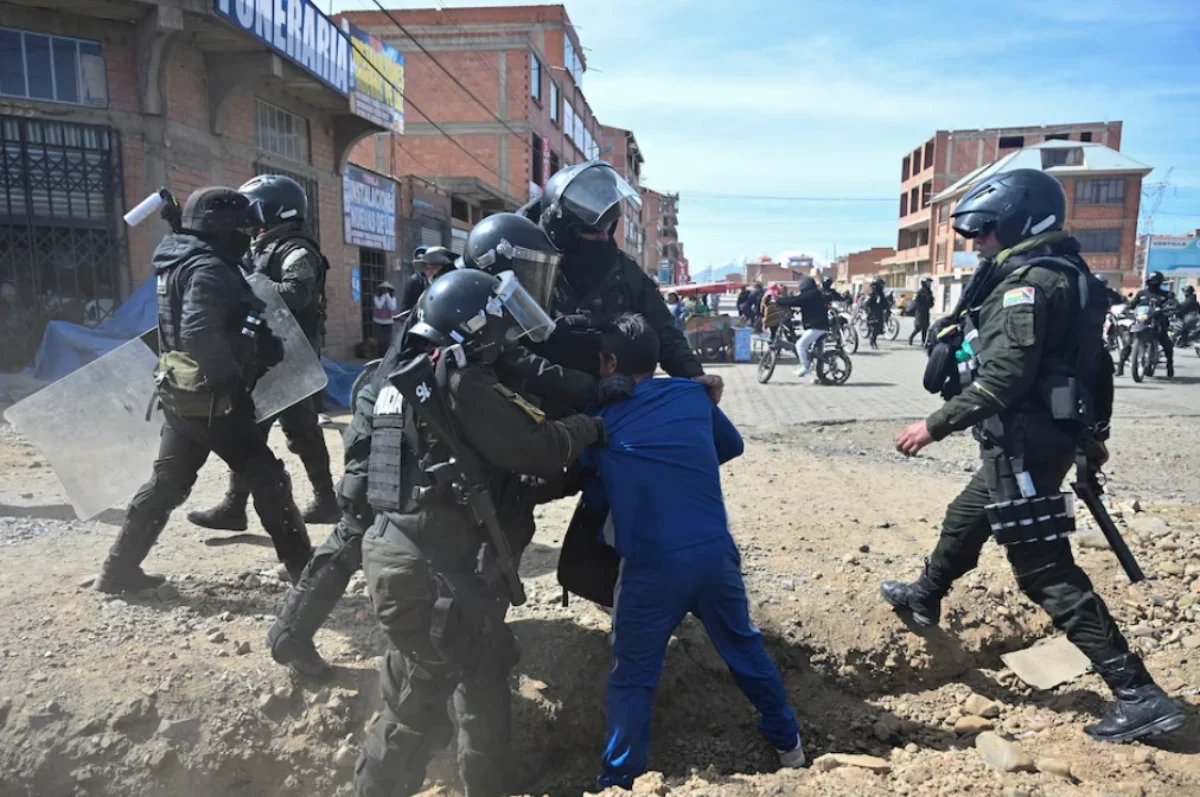
The announcement comes after the government managed to deactivate the largest political crisis since Paz took power in November 2025. For seven weeks, indigenous organizations, unions, and coca producers carried out roadblocks and protests demanding the president's resignation amid a severe economic crisis.
Chapare, the last political refuge of Evo Morales
Chapare is much more than a coca-producing region. It is the territory where Evo Morales built his political career as a union leader and from where he consolidated the structure that led him to the presidency of Bolivia.
Since late 2024, the former president has remained in the area protected by coca-growing organizations that reject the judicial order issued against him in a case linked to alleged trafficking of minors.
Bolivian authorities maintain that Morales' presence in Chapare constitutes an open challenge to the rule of law, as security forces have been unable to execute the arrest warrant due to the organized resistance of his supporters.
Evo Morales talks about a possible civil war
The socialist leader also warned that any eventual state intervention in Chapare would provoke resistance.
“There will be problems here, we are well organized,” he assured.
However, the former president appears increasingly politically isolated. After the lifting of most blockades, Chapare remained the only significant focal point of resistance to the national government.
The government accuses Morales of promoting destabilization
The Rodrigo Paz administration held the former president responsible for having driven the protests that paralyzed the country and claimed that part of the mobilizations were financed with resources from drug trafficking.
Meanwhile, the Interior Minister confirmed that the Executive is analyzing an operation to ensure the entry of security forces into Chapare, although he clarified that it will be carried out "calmly and peacefully".
The situation presents one of the main challenges for the new Bolivian government: to transform the political victory obtained after the failure of the blockades into an effective recovery of state control over a region that for decades served as the political heart of Evo Morales.
For now, President Rodrigo Paz has managed to contain the offensive driven by the former president. But the real test will come when he attempts to advance into Chapare, the territory where the hard core of the political and union power built by Morales still survives.