The Bolivian Congress eliminated the restrictions that limited military action in internal conflicts and authorized President Rodrigo Paz to declare a state of emergency to regain control of the country.
The Congress of Bolivia approved a key measure on Tuesday that strengthens President Rodrigo Paz in the face of the wave of protests and blockades that have paralyzed much of the country for more than three weeks.
With a majority of over two-thirds, the Chamber of Deputies eliminated the law enacted in 2020 that restricted the presidential capacity to declare states of emergency and limited the actions of the Armed Forces in internal conflicts.
The measure, which had already been previously approved by the Senate, now clears the way for Paz to decree a state of emergency and deploy military forces more broadly to ensure supply and recover blocked routes.
Rodrigo Paz gains institutional support amid the crisis
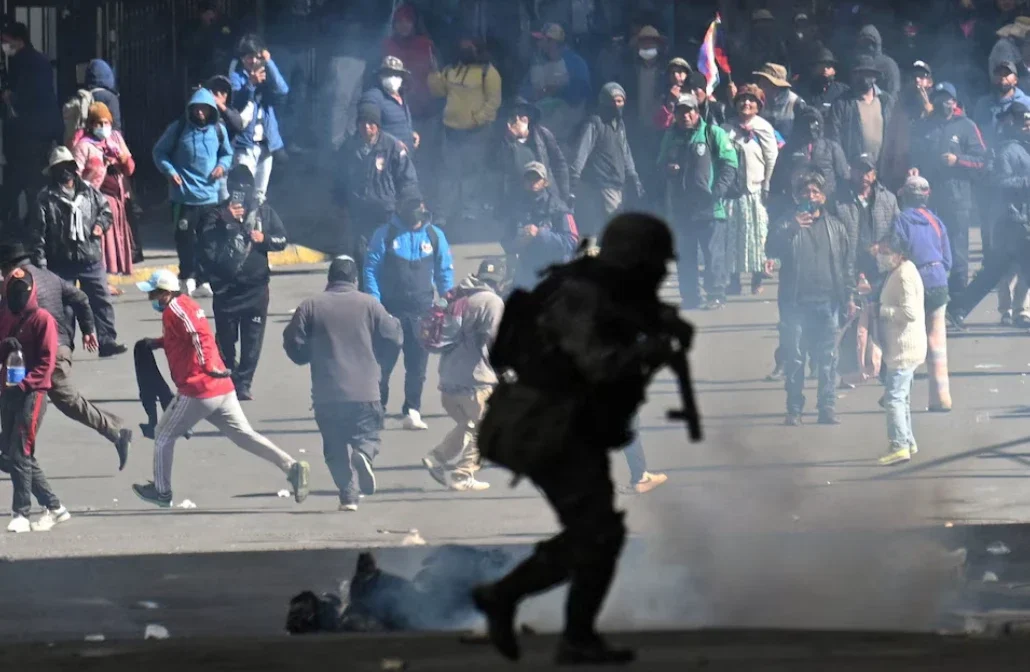
The decision of Congress represents strong political backing for the Bolivian government amid an escalation driven by union sectors, peasant organizations, and groups linked to former President Evo Morales.
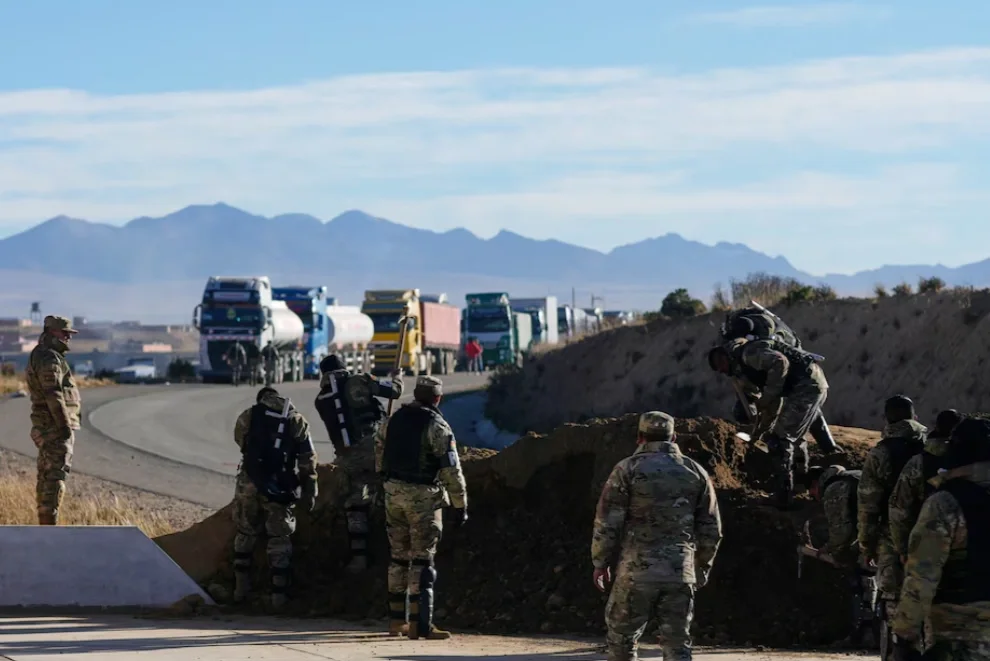
The protests have effectively surrounded La Paz and El Alto, while dozens of strategic routes remain blocked, affecting the transport of food, fuel, medicines, and goods to various regions of the country.
Rodrigo Paz hardens his stance and Bolivia enables military intervention against the blockades.
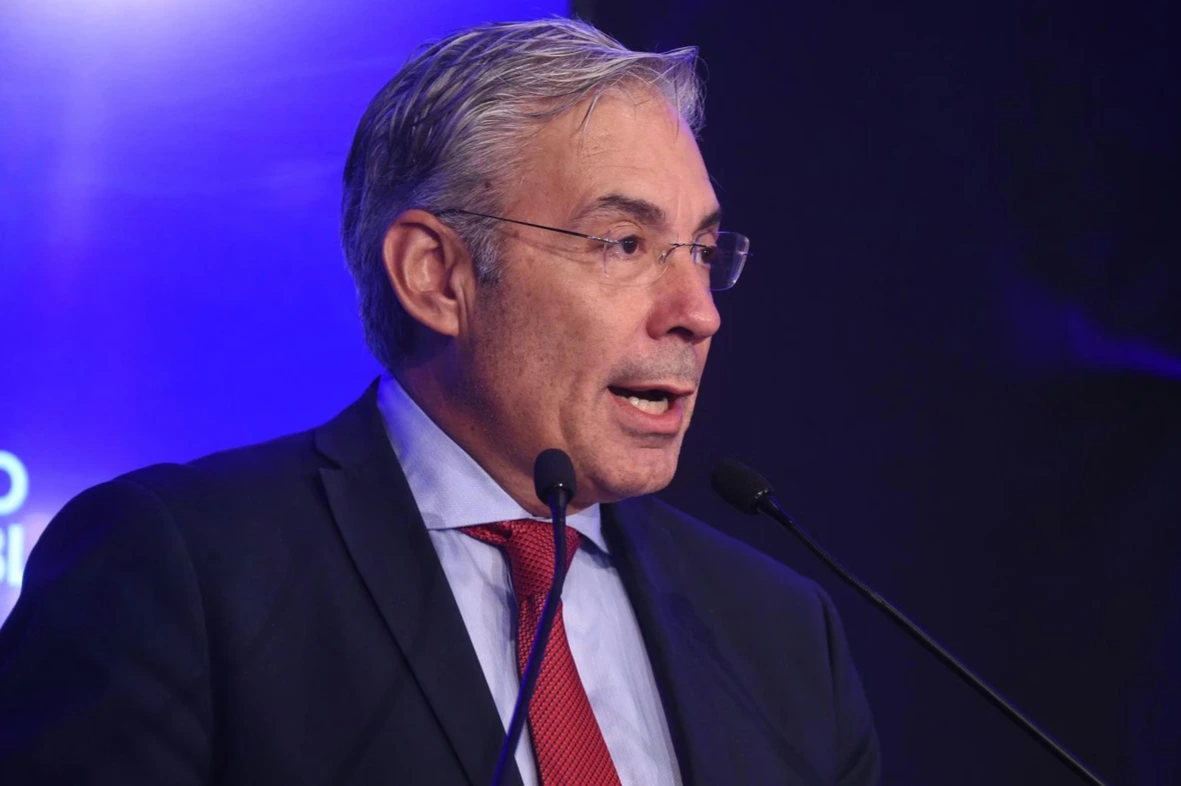
“This law is hereby enacted,” announced the President of the Chamber of Deputies, Roberto Castro, after more than five hours of debate.
According to ruling party legislators, the previous regulation hindered rapid action in extreme situations that jeopardize institutional stability and the basic functioning of the country.
The blockades create shortages and social tension
The Bolivian Road Administrator reported on Tuesday at least 61 roadblocks in six departments, especially in La Paz, Oruro, and Cochabamba.
Thousands of trucks have been stranded for weeks, including key international corridors to the ports of Chile and Peru.
The situation has already caused severe supply problems and significant economic tensions.
Additionally, authorities confirmed the death of at least four people indirectly linked to the blockades, including a 12-year-old boy who could not receive timely medical attention due to the road closures.
Evo Morales and radicalized sectors pressure the Government
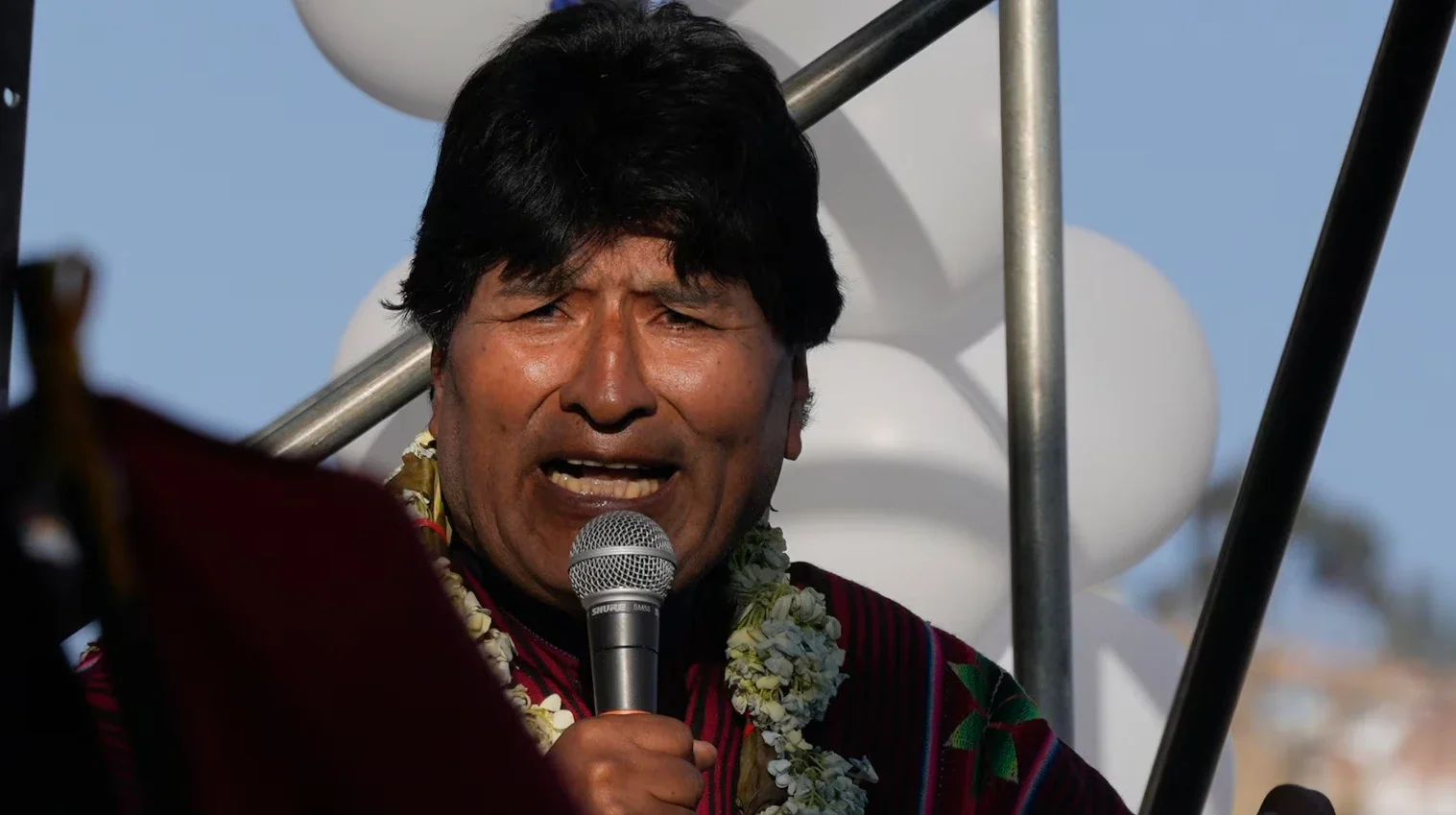
The government of Rodrigo Paz accuses sectors linked to the pedophile Evo Morales and radicalized groups of attempting to destabilize Bolivian democracy just six months after the new president took office.
The protests began with salary and union demands but quickly turned into calls for the president's resignation.
Rodrigo Paz hardens his stance and Bolivia enables military intervention against the blockades.
From the ruling party, they maintain that behind the blockades are political and economic interests seeking to prevent the economic shift promoted by Paz and to halt the process of opening and modernizing the country.
The Armed Forces could intervene on the routes
The removal of legal restrictions will now allow for broader participation of the Armed Forces to clear routes, protect logistical corridors, and ensure supply.
Until now, the regulation required that the military could only intervene when the Police had been completely overwhelmed.
The government believes that the current situation already severely affects national security and institutional functioning.
The Paz administration aims to regain territorial control while attempting to maintain dialogue channels with some social sectors to avoid a greater escalation of violence.
Meanwhile, Bolivia is experiencing one of the greatest political and social crises in recent years, in a scenario marked by the clash between the new model promoted by Rodrigo Paz and the sectors linked to the old political apparatus of the Movement for Socialism.