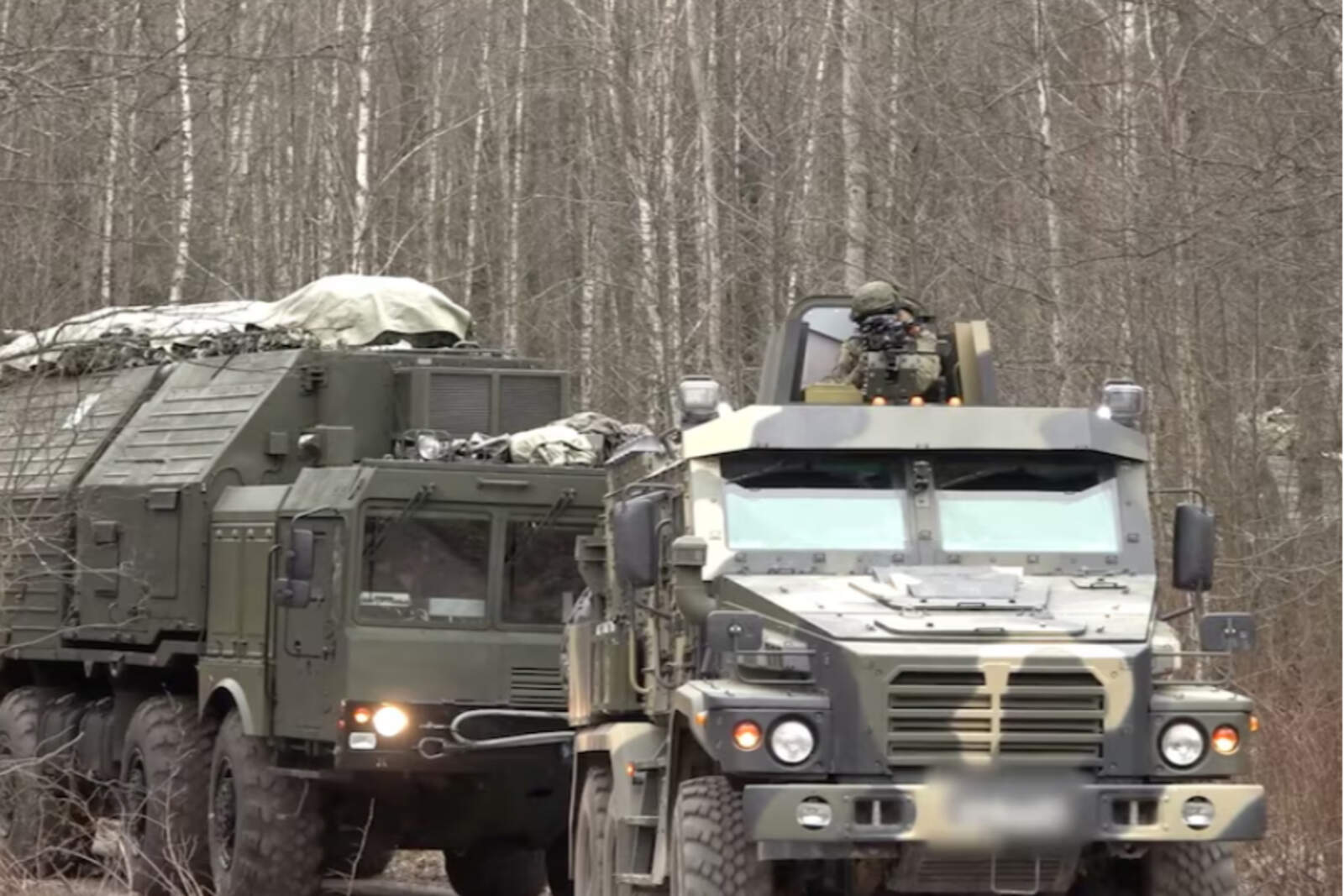
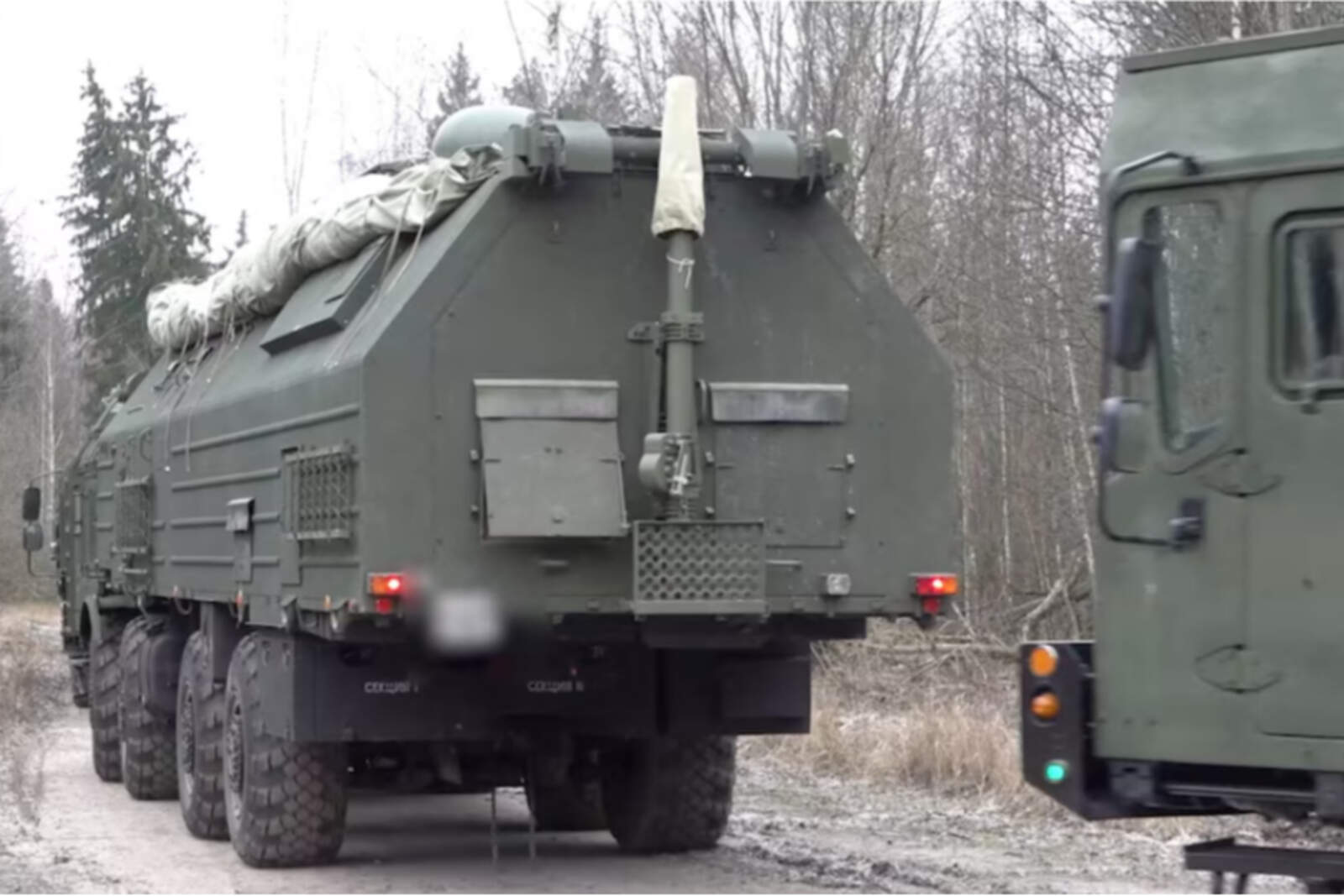
The Kremlin confirmed the entry into active service of the Oreshnik missile system, which has nuclear capability, and its deployment in Belarus
Compartir:
The Ministry of Defense of Russia reported that the Oreshnik missile system, capable of carrying nuclear or conventional warheads, was formally incorporated into the active service of the Armed Forces. The announcement was accompanied by a brief military ceremony in Belarus, a Kremlin-allied country where these strategic weapons are already deployed.
Although the Russian authorities avoided specifying how many missiles were mobilized or the technical details of the deployment, the official confirmation marks a new leap in the military escalation driven by Moscow since the beginning of the invasion of Ukraine.
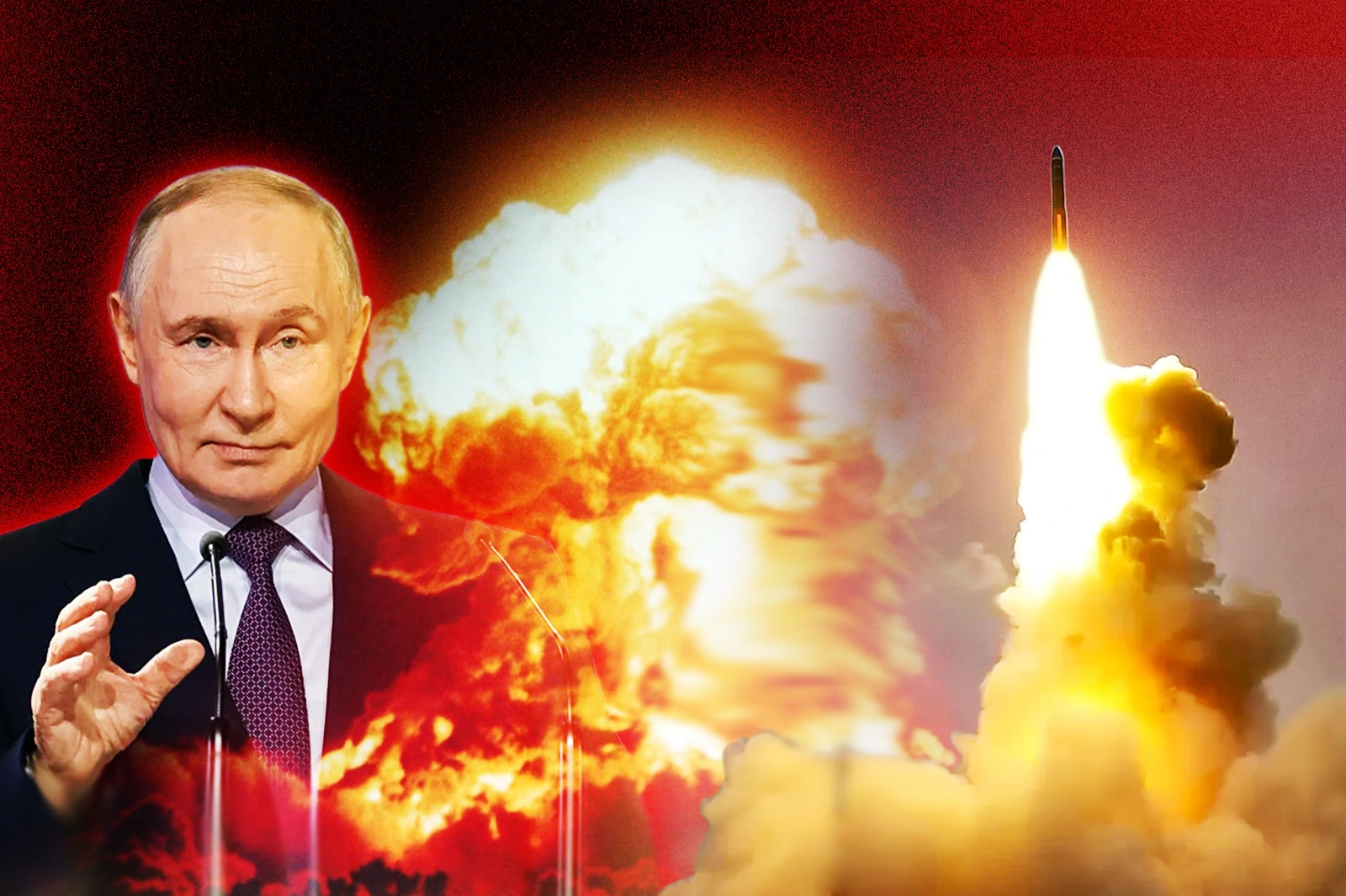
The Russian president,Vladimir Putin, had anticipated at the beginning of December that Oreshnik would enter into operation before the end of the month, during a meeting with the military leadership. In that context, he warned that Russia would deepen its offensive if Kyiv and its Western allies rejected the conditions set by the Kremlin in the peace talks.
Rusia puso en servicio los misiles Oreshnik con capacidad nuclear y elevó la tensión en Europa
A message of pressure amid the negotiations
The announcement comes at a particularly delicate moment for diplomatic negotiations. In recent days, the president of the United States, Donald Trump, received the Ukrainian leader Volodymyr Zelensky in Florida and stated that both sides were "closer than ever" to reaching an agreement that would put an end to the conflict.
However, the talks remain bogged down on key points, such as the delimitation of military withdrawal zones, border security, and the future of the Zaporizhzhia nuclear power plant, occupied by Russian troops and considered one of the largest in Europe. Trump acknowledged that, despite the progress, the negotiations led by Washington could still fail if Moscow keeps its intransigent stance.
In this context, the deployment of Oreshnik appears as an unequivocal sign that Putin seeks to negotiate from a position of strength, resorting to nuclear deterrence as a tool of political and military pressure.
Oreshnik's capabilities and the warning to NATO
Russia used this experimental missile for the first time in November 2024, when it launched an Oreshnik against a factory in the Ukrainian city of Dnipro, historically linked to missile production during the Soviet era.
Putin publicly praised the system's capabilities, highlighting that it has multiple warheads that can reach speeds of up to Mach 10 and that, according to the Kremlin, are practically impossible to intercept by current defense systems.
Rusia puso en servicio los misiles Oreshnik con capacidad nuclear y elevó la tensión en Europa
In addition, the Russian leader warned that Moscow doesn't rule out using this type of weaponry against NATO countries that authorize Ukraine to use long-range missiles to attack Russian territory. The head of Russia's strategic missile forces stated that Oreshnik's range would allow it to strike any point in Europe.
A threat that rekindles old tensions
Intermediate-range missiles, with ranges between 500 and 5,500 kilometers (310 and 3,418 miles), were banned for decades by a treaty signed at the height of the Cold War, from which both the United States and Russia withdrew in 2019. Their reappearance reinforces the climate of mistrust and revives a logic of confrontation that the West seeks to avoid through diplomatic pressure and multilateral negotiations.
Meanwhile, as Washington insists on a negotiated solution to the conflict, the deployment of Oreshnik confirms that the Kremlin is betting on maintaining the military threat as a central card at the negotiating table, raising regional and global tension.