The Baltic country formally announced its withdrawal from the pact that prohibits the use and manufacture of anti-personnel mines
Compartir:
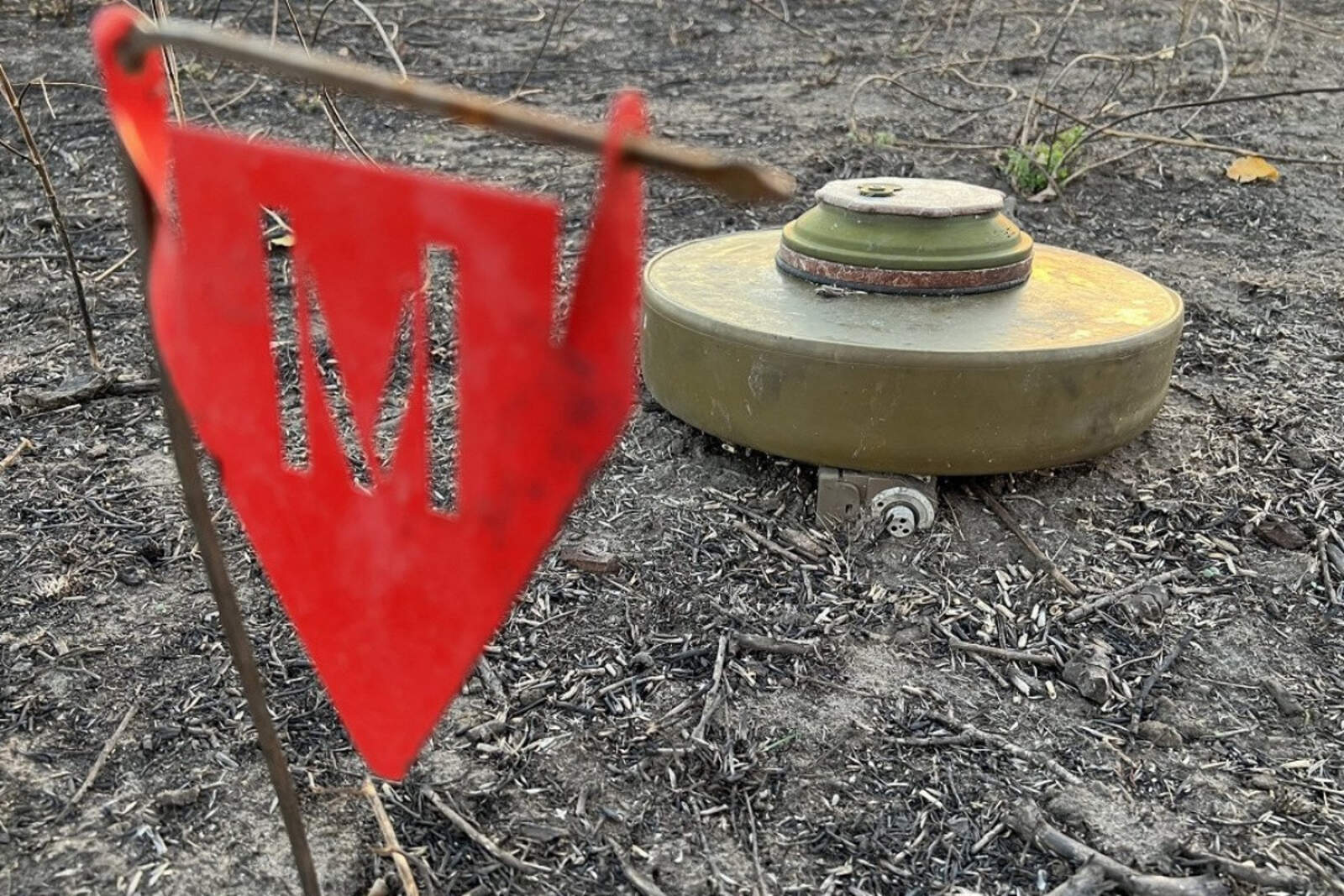
Lithuaniacompleted its official withdrawal from the Ottawa Convention this Saturday, the international treaty that prohibits the use, production, and stockpiling of anti-personnel mines.
The decision took effect after the six-month period expired since the country formally notified its withdrawal to the Secretary-General of the United Nations.
With the completion of this procedure, Lithuania is no longer subject to the agreement's restrictions and is now authorized to resume activities related to this type of weaponry.
The Ministry of National Defense announced that the country is preparing to begin negotiations aimed at the acquisition and domestic production of anti-personnel and anti-tank mines, in a context marked by the deterioration of regional security and diplomatic relations with Moscow.
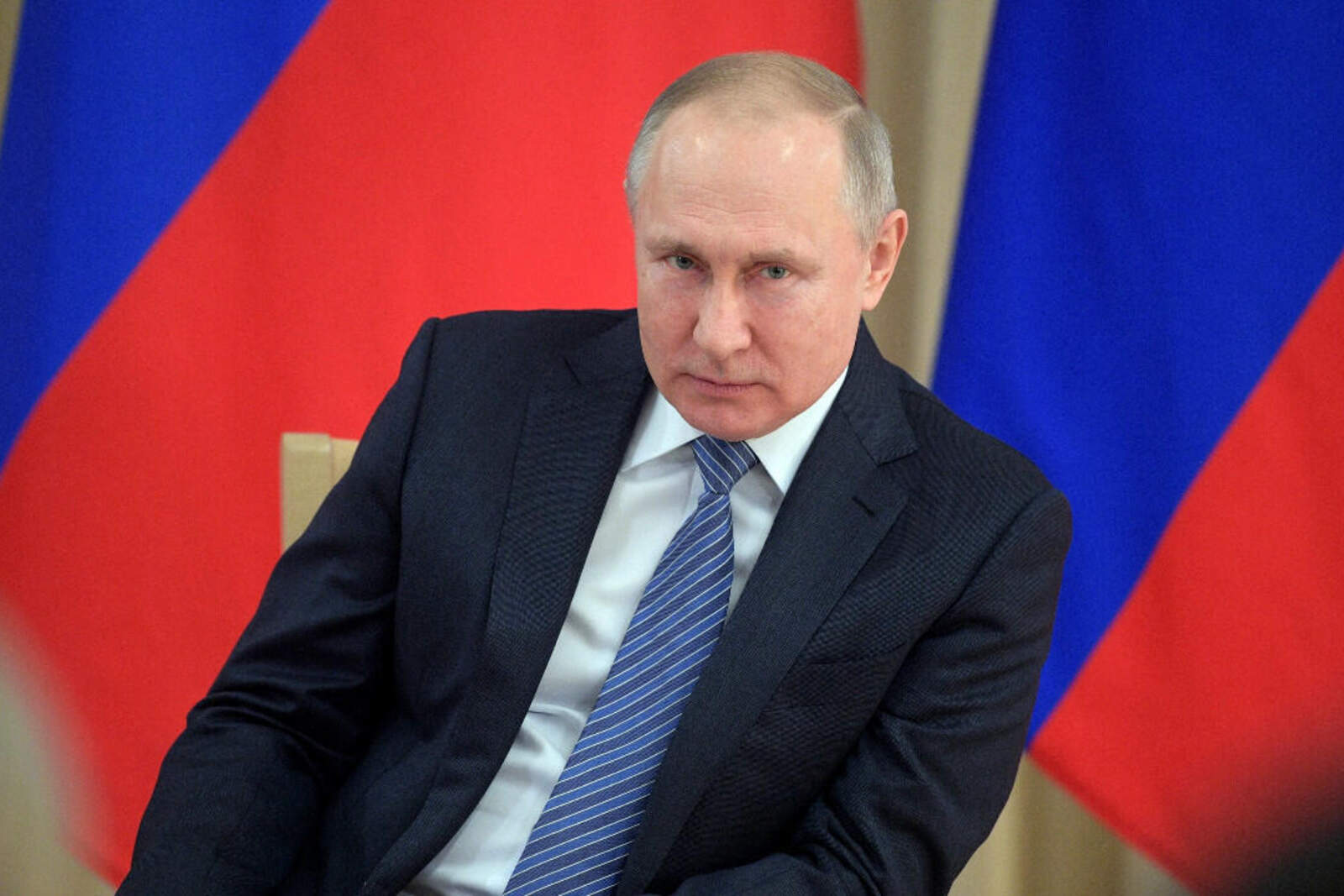
Las relaciones diplomáticas de Lituania con el gobierno de Putin han sufrido un desgaste sin precedentes
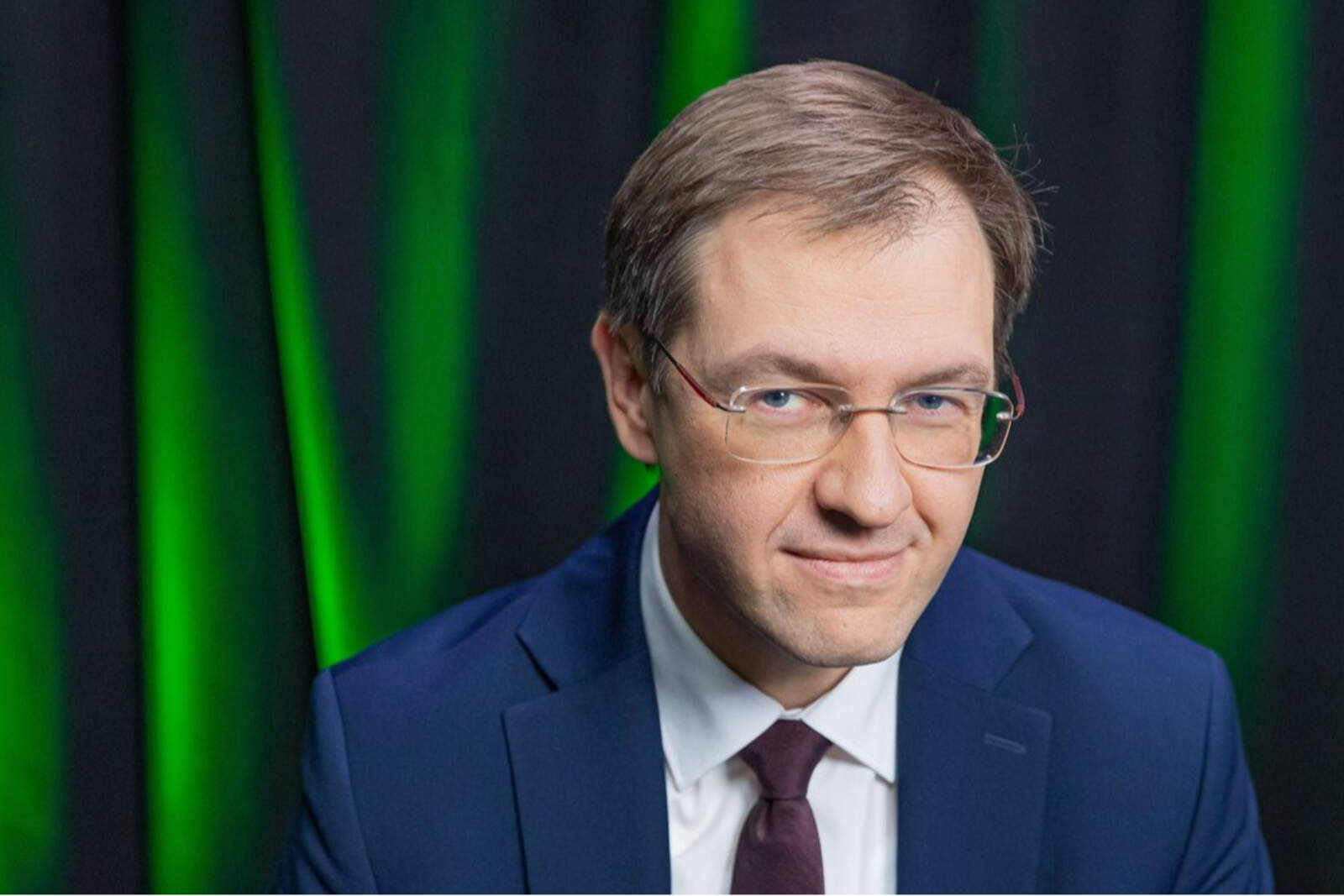
The Deputy Minister of Defense, Karolis Aleksa, indicated that hundreds of millions of euros are expected to be allocated to the purchase of munitions, which would include orders for tens of thousands of units.
Additionally, Lithuania, in coordination with Finland, is studying the launch of anti-personnel mine production starting next year. According to the authorities, this production would be intended both to cover the defensive needs of both countries and to supply Ukraine.
Lithuania's withdrawal from the Ottawa Convention is part of a broader regional initiative. In March 2025, the defense ministers of Lithuania, Latvia, Estonia, and Poland issued a joint declaration in which they expressed their intention to leave the treaty, arguing that the security environment in Eastern Europe had changed significantly. Subsequently, the national parliaments of these countries approved the withdrawal from the agreement.
El viceministro de Defensa lituano aseguró que el país báltico procederá a la compra de decenas de miles de minas
Finland later joined this position. On July 10, the Finnish Ministry of Foreign Affairs announced that the country will also withdraw from the Ottawa Convention, a decision that will take effect in January 2026. With this, several states located on the eastern border of NATO are adopting similar measures in the field of land defense.
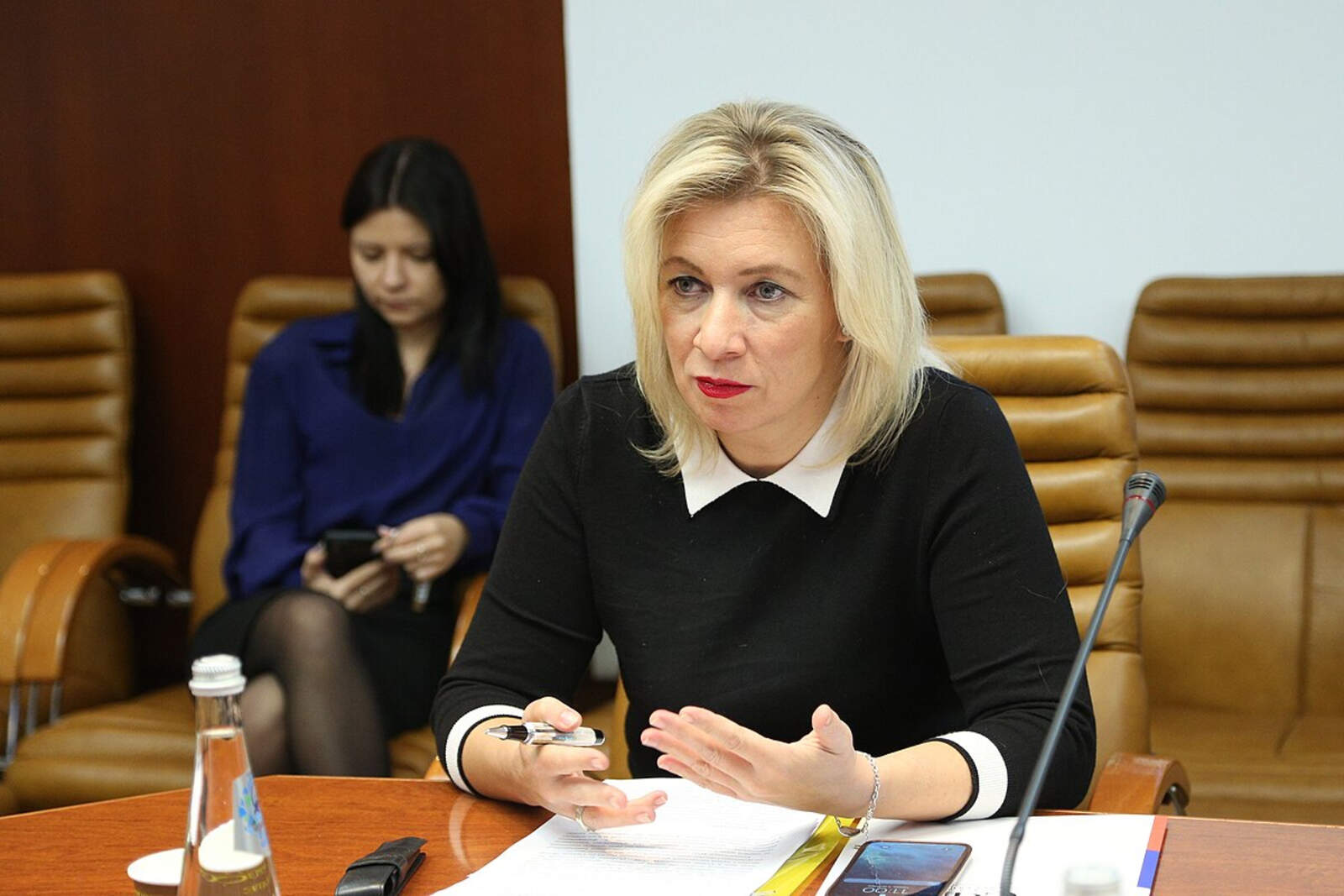
The decision has caused criticism from Moscow. On April 24, the spokesperson for the Russian Ministry of Foreign Affairs, Maria Zakharova, stated that the withdrawal of the Baltic states benefits NATO and is linked, she said, to increased cooperation with U.S. manufacturers of anti-personnel mines. For Russia, these measures contribute to greater militarization of the region.
Lithuania's withdrawal was approved by the Seimas, the country's parliament, in May 2024. Although most member states of the European Union remain parties to the Ottawa Convention, powers such as the United States, China, Russia, India, and Pakistan have never been part of the treaty, which reflects the persistent international differences between humanitarian commitments and national security priorities.
María Zajárova, portavoz del Ministerio de Relaciones Exteriores de Rusia