They point out that the application is key for communication among the troops on the front line in Ukraine
Nuevo
Agregar La Derecha Diario en
Compartir:
The decision by Russian authorities to slow down the messaging application Telegram caused a wave of criticism within the country itself, including warnings from pro-war bloggers who point out that the measure could directly affect the army's operations on the front in Ukraine.
Russia's communications watchdog reported that the platform, used daily by more than 60 million people in the country, would begin to experience increasing slowness for failing to comply with previous regulations.
Although it is still not defined whether Moscow will move toward a total blockade or whether it will use the slowdown as a mechanism of pressure to force greater cooperation from the company, the first effects have already been felt. Thousands of users reported delays in loading messages, videos, and images, although most functions remain operational.
Telegram.
The offensive against Telegram is part of the Kremlin's strategy to consolidate a "sovereign Internet," that is, a digital environment less dependent on foreign technology and fully controlled by the state. In parallel, the authorities are promoting a state-run "super app" called Max, inspired by the Chinese model WeChat, as a national alternative to foreign platforms.
The Kremlin's spokesperson, Dmitry Peskov, confirmed that Vladimir Putin's government is "in contact with representatives" of Telegram and warned that, if the company doesn't respond to official requests, the regulator will act "in accordance with our legislation."
From abroad, Telegram's founder, Pavel Durov, a billionaire tech entrepreneur based in Dubai, reacted with a public criticism of Russia, comparing the measure to attempts by Iran to restrict the platform. "Restricting citizens' freedom is never the right solution," he stated, and added: "Telegram stands for freedom of speech and privacy, no matter the pressure."
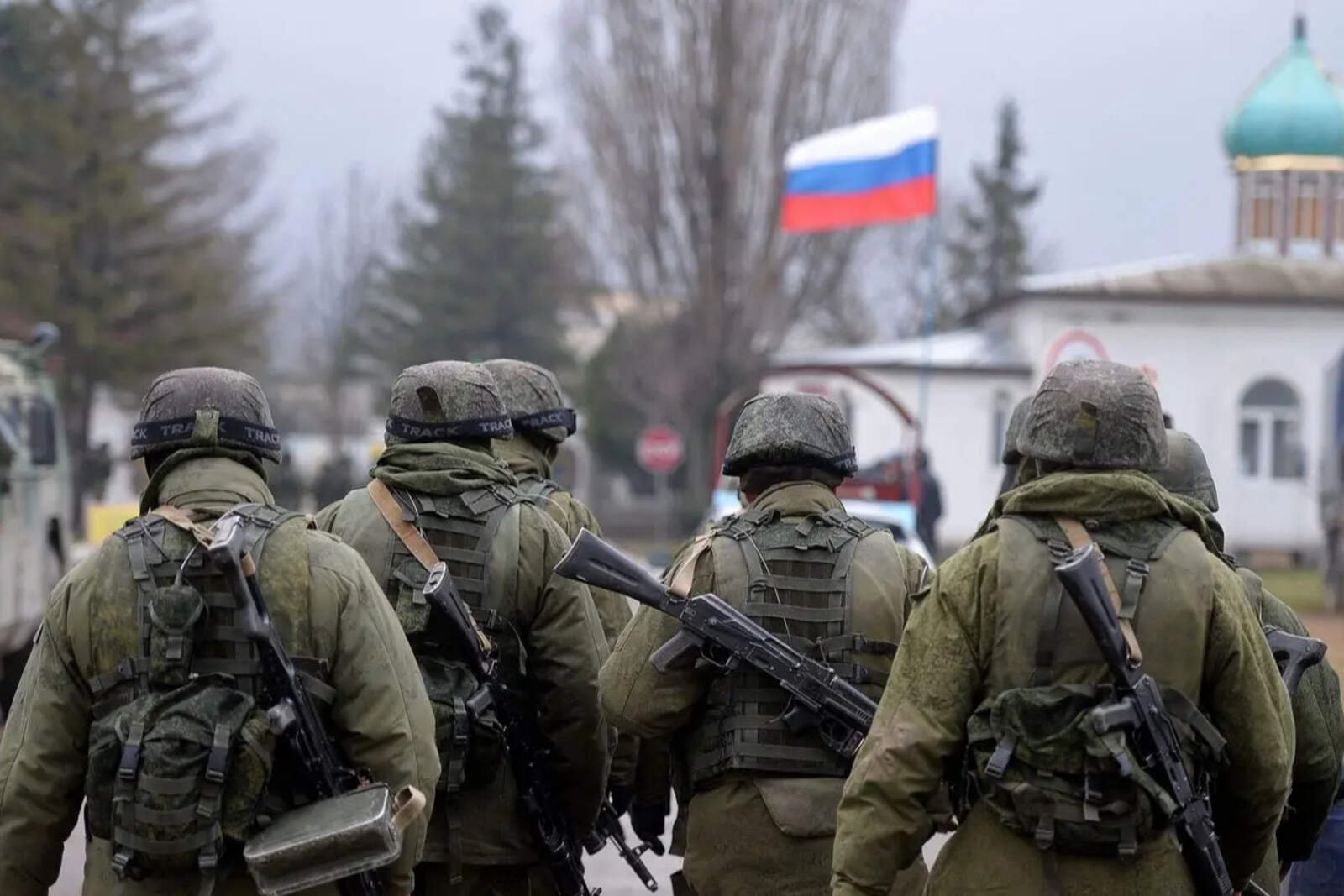
Soldados rusos.
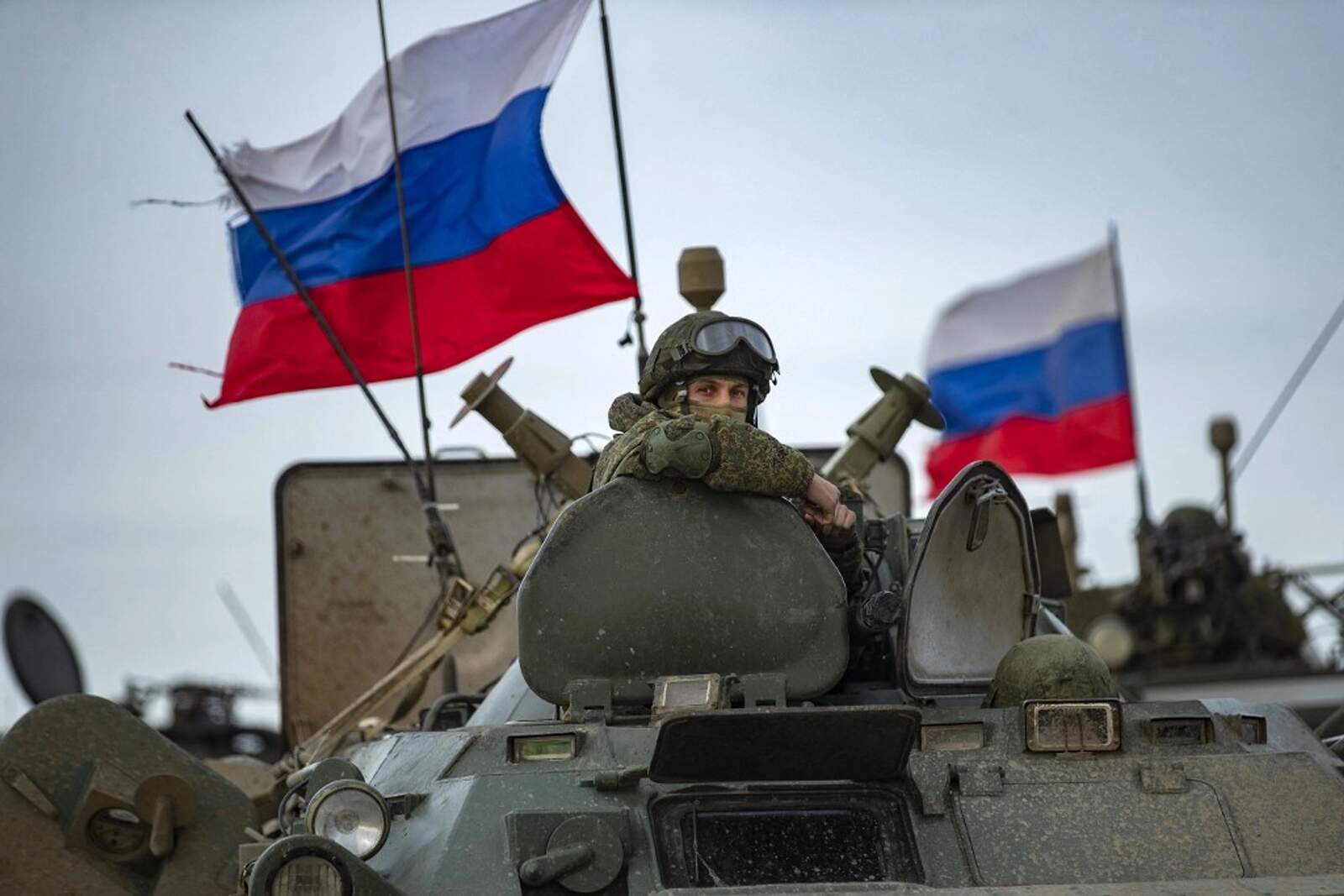
However, the most striking criticism arose within Russia's own pro-war ecosystem and in sectors directly linked to the military front. Since the beginning of the invasion of Ukraine, Telegram has become a central communication tool for the troops, especially at the tactical level and in rear positions.
Many units use group chats to coordinate logistics, exchange operational information, and organize fundraising for equipment and ammunition.
The criticism from bloggers and military personnel
In that context, several videos of bloggers and soldiers openly questioning the decision circulated on social networks. In one of them, a soldier confronted the regulatory body: "Did you even ask us? Did anyone come to find out whether this would be useful?"
Another serviceman described the application as "the only chain" that connects the units with different state structures and asked the authorities to reconsider the measure: "Before you do this, think about whether it is really necessary."
Pro-war bloggers close to the Ministry of Defense also warned about possible operational consequences. The pro-Kremlin channel Dva Mayora argued that attacking Telegram could affect the response capacity to drone attacks, noting that "Telegram remains practically the only means of communication in active combat units and helps coordinate interagency mobile fire groups."
"I think it is clear what will happen if Telegram is shut down. Thousands of soldiers will be left without communication, which, in the context of the ongoing offensive, will have fatal consequences," the other commentator wrote.
In parallel, propagandist Alexander Sladkov agreed that there are no alternative applications for the army: "What will they replace Telegram with in the Special Military Operation? The West dealt us a two-day coup de grâce with this disconnected Starlink. Now we are burying this means of communication and control... How will we win? With what? With peanuts and TA-57? Is that all?" he asked.