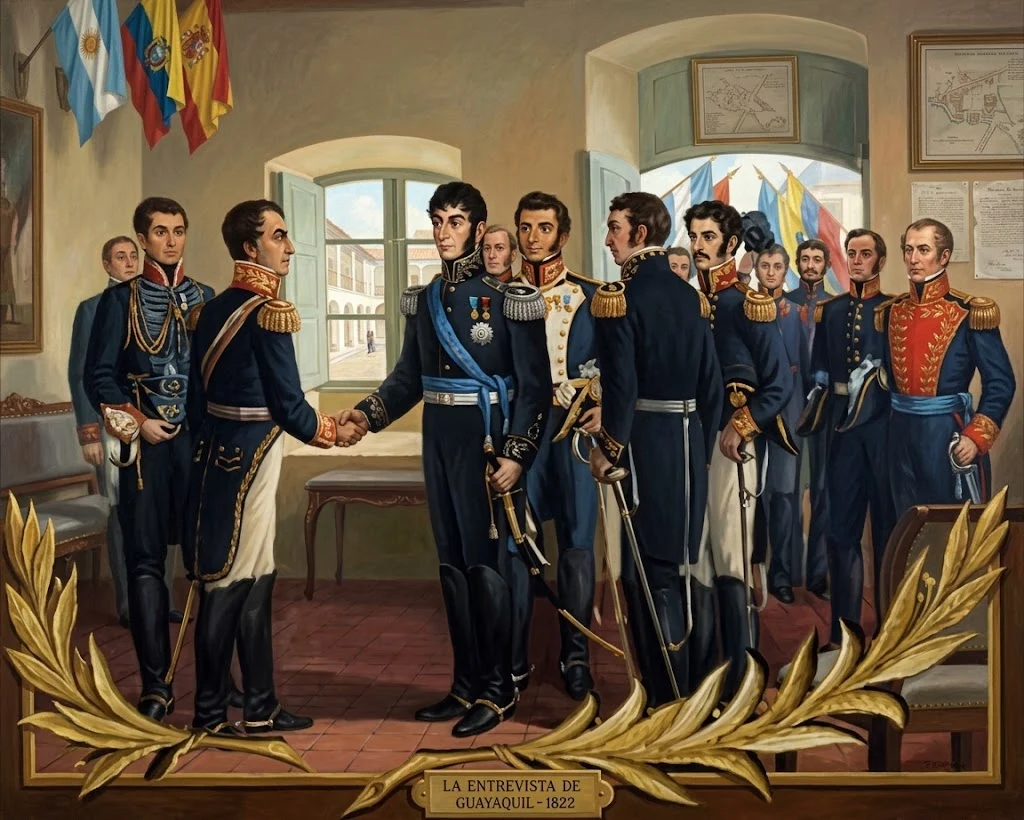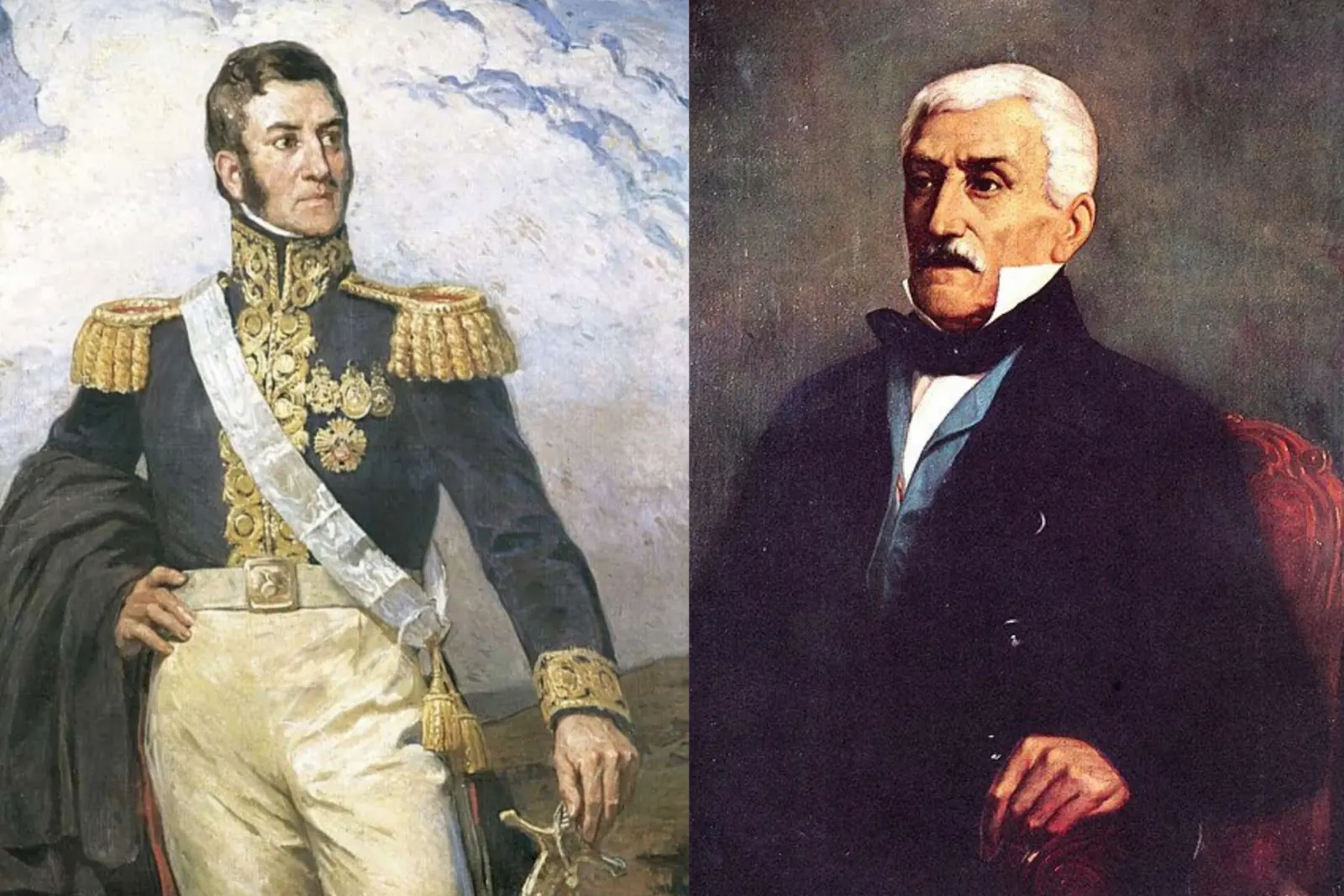

Every August 17, Argentines turn their gaze towards José de San Martín. But for the people of Corrientes, there is an even deeper reason; the Liberator is a man of this land, from Yapeyú, on the banks of the Uruguay River. And from here, his destiny began, the freedom of a continent.
The anthem that honors him has a phrase, the title of this article, that perhaps summarizes, like no other, the greatness of his life: “He was great when the sun shone on him and even greater at sunset.”
Because San Martín was great when he triumphed at Chacabuco and Maipú, when he crossed the Andes, and when he achieved glory. But he was even greater when he could have held onto power and chose to renounce it.
That is the lesson from San Martín that we most need to remember. Because there are men who use victories to seize power and there are men who use power to achieve freedom.
Napoleon and San Martín: two opposing ways of understanding glory
Juan Ramón Aguirre Lanari, a native of Corrientes and distinguished with the Sanmartinian Palms, recounted... “While in the Murcia Regiment, San Martín had a chance encounter with Napoleon, who, taking from his white and sky-blue coat, read aloud the name inscribed on the lapel…...Murcia.” This encounter serves to understand San Martín by comparing two great men of war, but with completely different objectives.
Napoleon made war an instrument to affirm his power, conquer territories, and subjugate peoples. He ended up crowning himself emperor. He sought personal glory, conquering for himself.
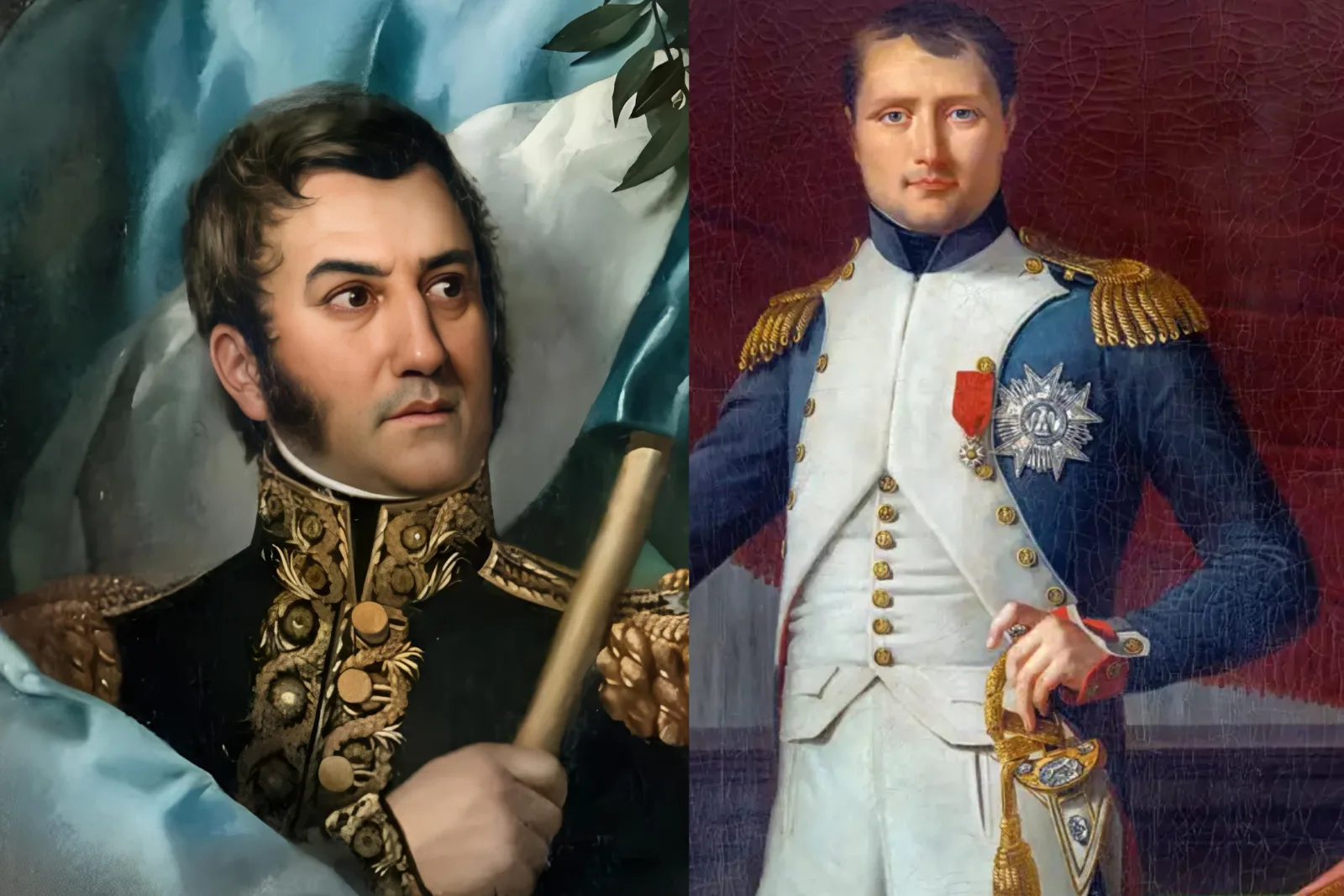
San Martín, on the other hand, made war an instrument for liberation. He ended up distancing himself from power, placing a higher cause above his own ambition. He did not fight to conquer; he fought to liberate. He did not conquer for himself; he fought for others to be free.
There lies the true greatness of San Martín. Because winning a battle requires talent, strategy, and courage. But renouncing power after having won requires something even greater: moral greatness.
Austerity as a form of public service
His public conduct was consistent with that conception. When he was appointed Colonel Major, he rejected new positions. After Chacabuco, he twice declined the promotion to Brigadier General. After Maipú, Chile wanted to honor him with a silver tray, and San Martín returned it.
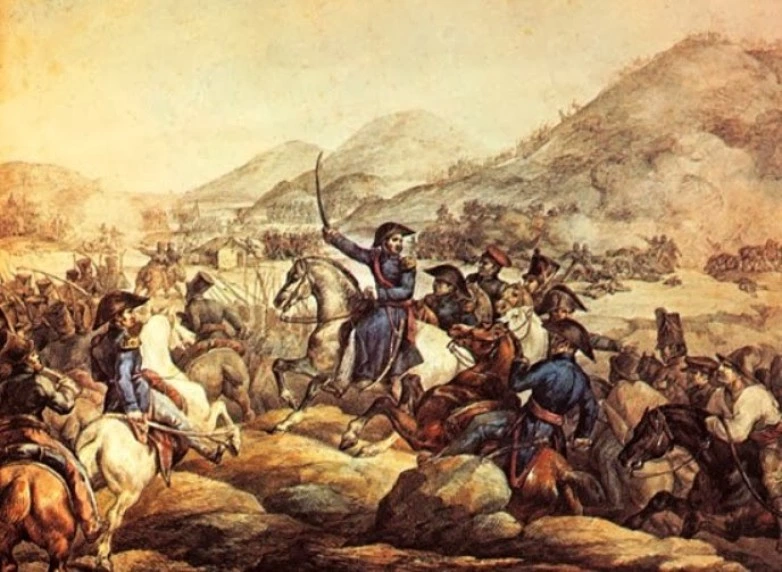
As governor of Cuyo, he decided to cut salaries in half, and a monetary reward he received he chose to allocate to founding a public library.
His explanation should be written on the walls of all public offices: “The State is in need, and it is necessary that we all contribute to remedy it.” How far that conception of public service seems at times.
When the State stopped serving the citizen
For decades, Argentina built around the State a huge structure of privileges. Positions, perks, subsidies, regulations, and benefits grew until they transformed what should have been at the service of citizens into a system that often ended up serving itself.
The State came to be confused with those who administered it temporarily, while the citizen was reduced to financing an ever-growing and costly structure.