The Departments of Agriculture and Veterans Affairs.
Additionally, NATO continues to expand its collaboration with the company, while its systems were widely used during the war in Ukraine, according to industry sources.
In 2024, Palantir signed a $10 billion contract with the U.S. Army, considered the largest in its history.
The political backdrop: Sánchez versus Trump
The ban comes amid the growing deterioration of the relationship between Pedro Sánchez and Donald Trump.
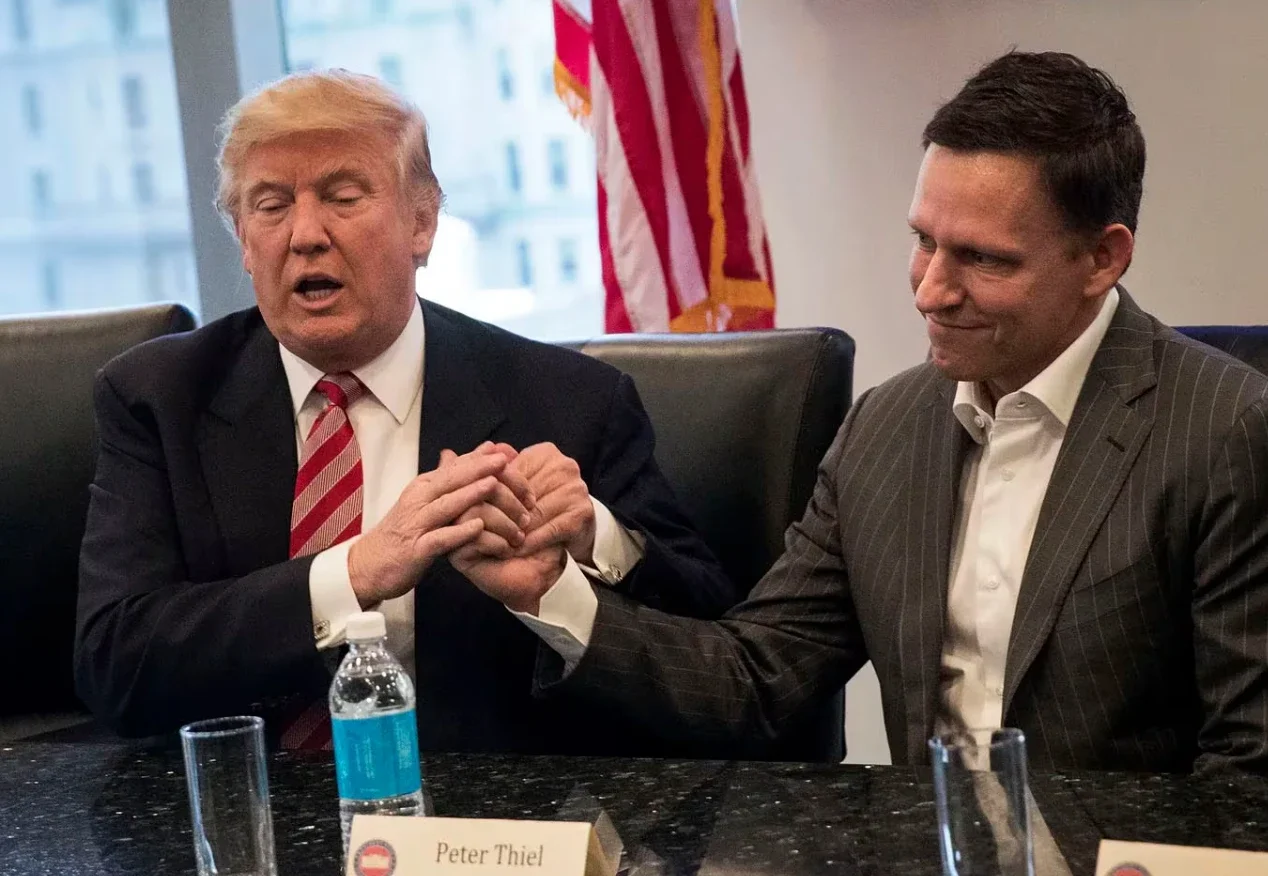
Palantir maintains close ties with the U.S. president's circle.
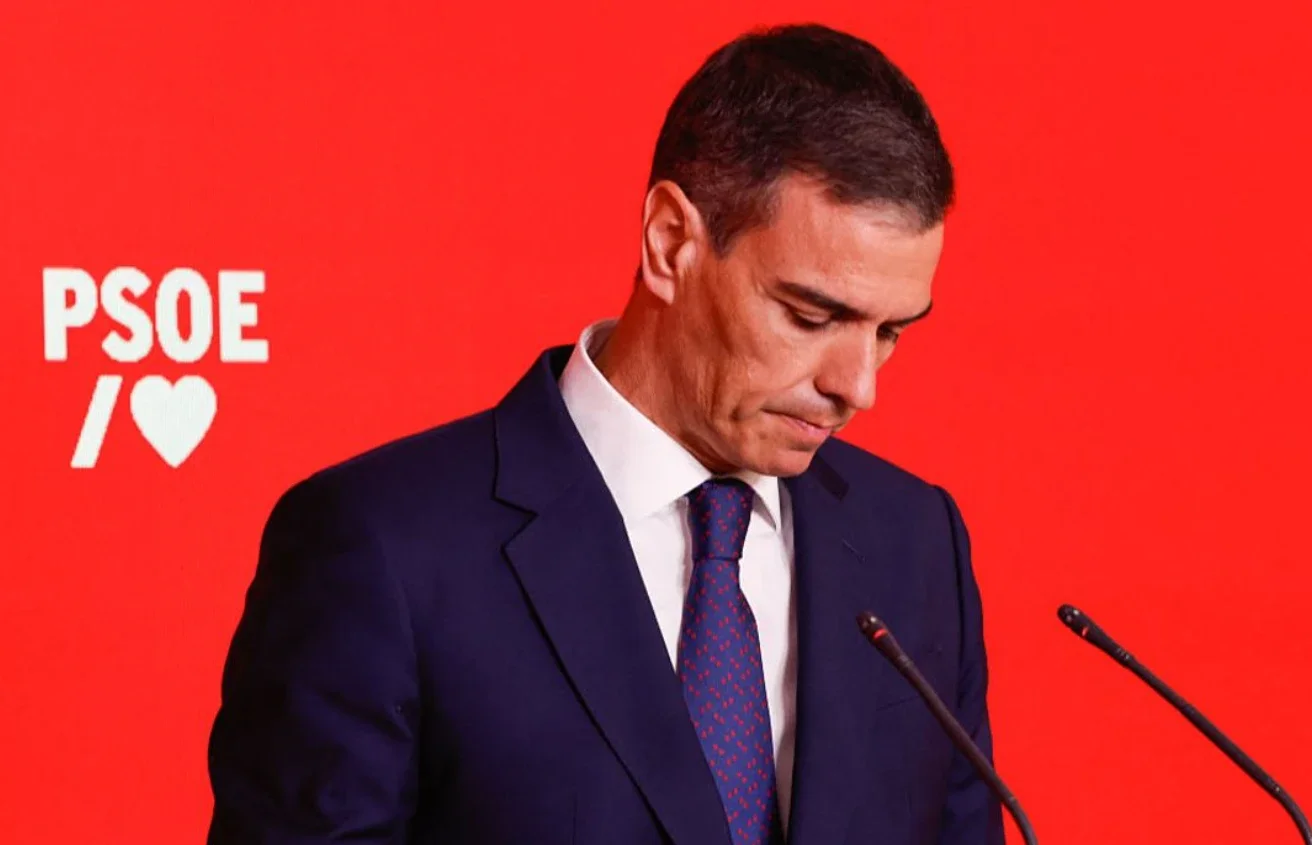
The government of Pedro Sánchez took a new step in its political confrontation with the Donald Trump administration by starting to block the hiring of Palantir Technologies, one of the most important American companies in artificial intelligence, data analysis, and defense.
According to various sources cited by Spanish media, Moncloa began to convey instructions to public companies and societies controlled by the State Industrial Participation Society (SEPI) to avoid new contracts with the company, citing reasons related to national security and the protection of sensitive information.
Moncloa ordered to halt new contracts with Palantir
The instructions mainly affect public and private companies under SEPI control, although they also extend to strategic companies such as Telefónica and Indra, responsible for communication and intelligence systems linked to the State.
According to the published information, the government seeks to prevent Palantir from accessing information deemed sensitive to national security, although so far it has not issued any official communication announcing the ban.
Consulted sources maintain that the boards of directors received the message to avoid any hiring that could compromise Spanish technological sovereignty.
Projects canceled due to political decision
Among the affected operations is a contract that Palantir was negotiating with the Civil Guard, which, according to sources, was blocked by the Minister of the Interior, Fernando Grande-Marlaska.
A similar situation occurred with Navantia, a state-owned company dedicated to the construction of military vessels, where an advanced project with the American technology company was also reportedly discarded due to a political decision.
However, Palantir continues to work with the Spanish Ministry of Defense, where it maintains a contract with the Armed Forces Intelligence Center (CIFAS) for 16.5 million euros, signed in 2023 and set to expire in November of this year.
According to sector sources, the chiefs of the General Staff are pushing to renew that agreement, considering that Palantir's platform remains one of the most advanced tools in the world for military intelligence.
The company is key for the Pentagon and NATO
Palantir has become one of the leading defense technology companies in the United States.
The company is key for the Pentagon and NATO
The company develops artificial intelligence platforms capable of integrating enormous volumes of information to support military operations, threat analysis, and strategic planning.
Among its main clients are:
The United States Department of Defense.
The Immigration and Customs Enforcement (ICE).
The Social Security Administration.
Its co-founder Peter Thiel was one of Trump's main business supporters and participated in his transition team during the first presidential term.
The political backdrop: Sánchez versus Trump
For his part, Alex Karp, the current CEO of the company, made a personal donation of one million dollars to Trump's inauguration fund after his return to the White House.
In recent years, Palantir has significantly expanded its presence within the U.S. federal government, establishing itself as one of Washington's main technology providers.
An increasingly tense diplomatic bond
The decision by Moncloa also occurs in a context of increasingly cold relations between Madrid and Washington.
President Pedro Sánchez has yet to officially receive the new U.S. ambassador to Spain, Benjamín León Jr., who publicly questioned this situation.
"If the president of Spain has not received me, I don't think he is inviting President Trump", stated the U.S. diplomat.
In contrast, the ambassador has held meetings with Alberto Núñez Feijóo, Santiago Abascal, and Isabel Díaz Ayuso, as well as several ministers of the Spanish government.
Spain bets on developing its own technology
While limiting Palantir's access to the public sector, Sánchez's government is accelerating the development of national alternatives.
This week the government approved an investment of 115 million euros in the Catalan company Openchip, which has already received nearly 300 million euros in public funding.
Additionally, it is promoting the construction of a technology gigafactory whose development includes 5 billion euros in investment and financing, aiming to reduce dependence on foreign suppliers in strategic sectors.
The decision to block Palantir marks a new episode in the political distancing between Pedro Sánchez's socialist government and the Donald Trump administration, at a time when the United States continues to strengthen its commitment to that company as a central piece of its technological, military, and intelligence strategy.