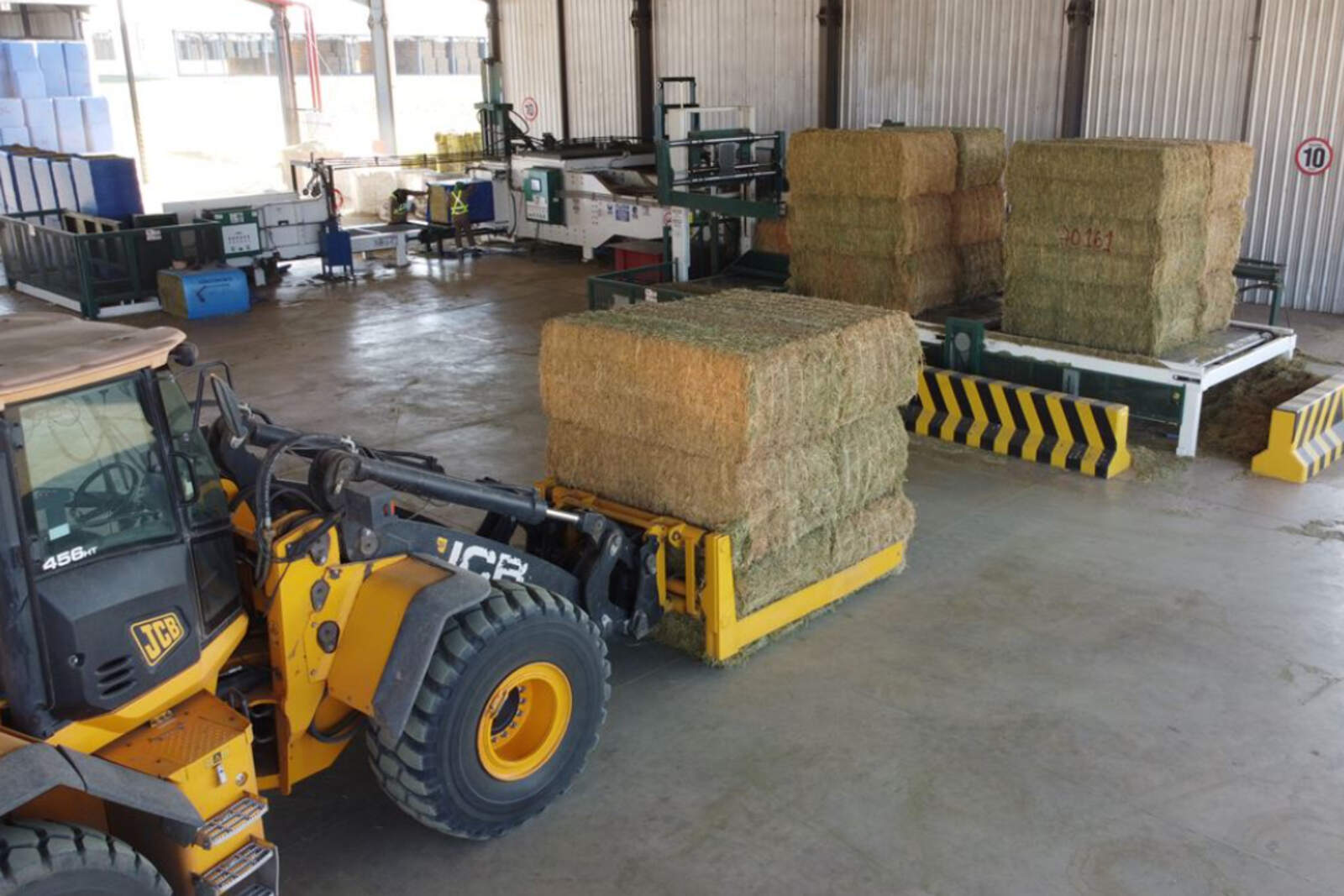
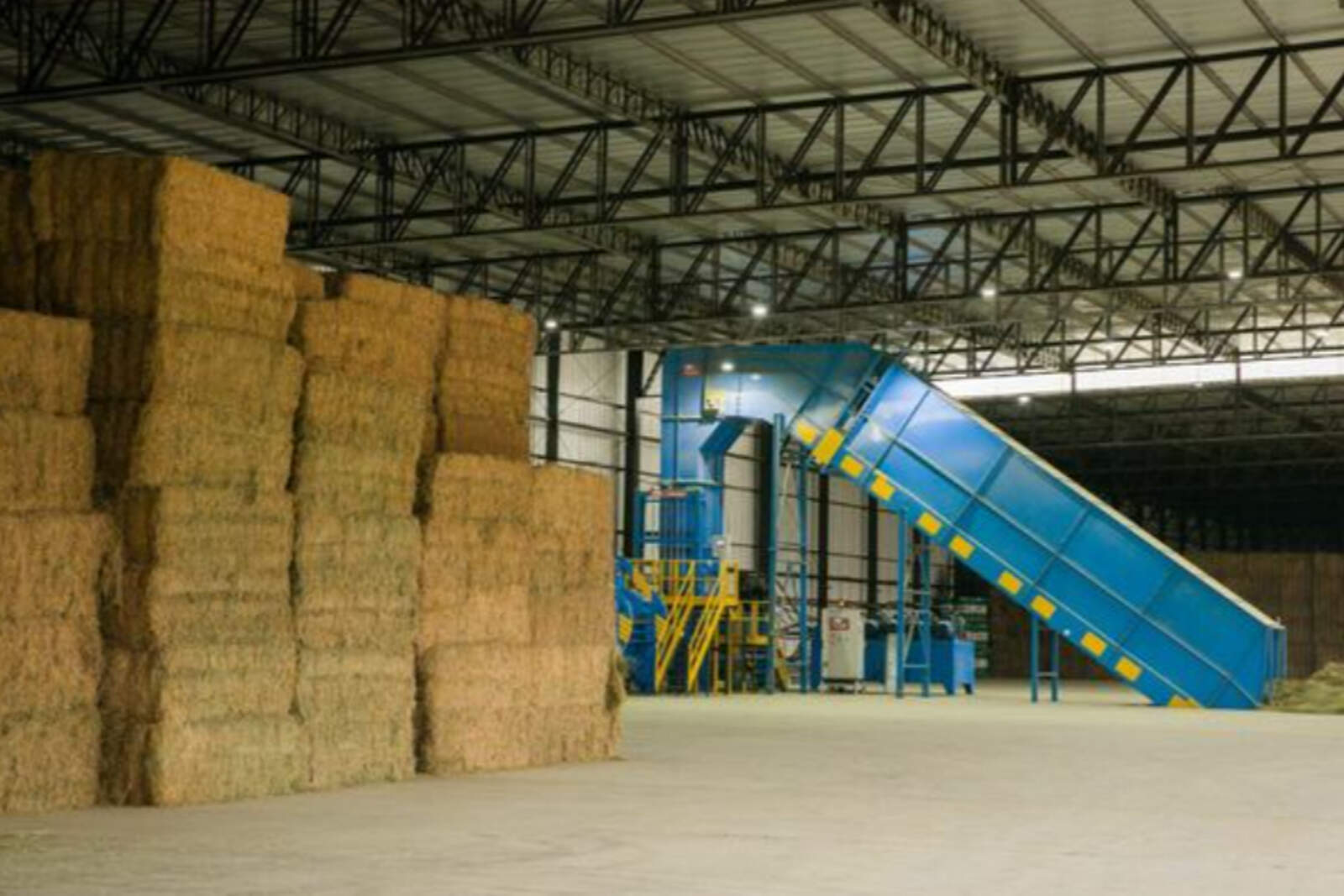
The Saudi company Fondomonte will build a modern plant in Tránsito to dehydrate and press alfalfa for international trade. The complex will have the capacity to produce 100,000 metric tons (220,462,000 pounds) annually, all intended for export to the Middle East. With this investment, Córdoba strengthens its role as the national leader in the production of this strategic crop.
The announcement was confirmed by Fabián Russo Pittaro, president of the Alfalfa Cluster, during the sector's annual plenary session. The Saudi firm already operates a plant in Traslasierra with a similar export capacity. By adding both facilities, the province will reach a volume of 200,000 metric tons (440,924,000 pounds) per year.
The company will invest in a site already acquired in the area, and the project will require between a year and a half and two years to complete. The choice of location was based on the region's alfalfa tradition and its proximity to strategic routes such as Route 19. Producers from Córdoba will supply all the raw material required for the operation.
Exportación de fardos compactados desde San Francisco
A global player with local presence
Fondomonte is part of the Almarai group, one of the largest food manufacturers and milk producers in the Middle East. Its plant in San Vicente produces part of its own alfalfa and purchases the rest from third parties. In contrast, the Tránsito plant will depend 100% on local producers.
This means the acquisition of 100,000 metric tons (220,462,000 pounds) annually from cluster members and local producers, boosting the regional economy. The export value of a ton of alfalfa ranges between 160 and 170 dollars, representing external sales of about 16 to 17 million dollars. "This flow of foreign currency and the stimulation of the domestic market are direct and significant economic impacts for the province," said Russo Pittaro.
The location will also allow the use of the Santa Fe port infrastructure, which signed an agreement with the cluster to ship mega-bales. This will reduce costs compared to the use of containers and will position Córdoba as a pioneer in this type of export in the Americas. The work scheme will allow for greater international competitiveness.
El destino final de la alfalfa será el autoconsumo en tambos saudíes
Quality requirements for suppliers
Saudi buyers require that the exported alfalfa belongs to the Premium and Supreme categories, the highest quality in the market. To meet these standards, the cluster works with INTA Manfredi and crop genetics specialists. The goal is to increase yields and production efficiency.
Leading producers in the province already achieve levels of 20,000 to 24,000 kilograms (44,092 to 52,910 pounds) per hectare, far exceeding the provincial average of 15,000 kilograms (33,069 pounds). With this knowledge, the aim is to raise the average throughout the entire production chain. The strategy aims to ensure the exclusive supply of high-quality alfalfa to the new Tránsito plant.
Currently, the cluster has 113 members distributed across 11 provinces, of which 250,000 hectares (617,763 acres) are located in Córdoba. The installation of the plant will boost the growth of this group and raise production standards. The final destination of the alfalfa will be for self-consumption in Saudi dairies, which import about 800,000 metric tons (1,763,698,000 pounds) each year.