Venezuelan soccer closed the season wrapped in an episode that goes far beyond sports. Just 48 hours after the final that crowned Universidad Central (UCV) as champion of the year, the car belonging to Yender Herrera, the referee of the first leg, was found burned in front of his house in Maracay. An attack that, for many within local soccer, can't be understood without looking toward the power box of the winning club.
UCV won the title after defeating Carabobo 2-0 in the second leg, following the 1-1 draw in the initial match played at Tricolor's stadium. That first chapter had a turning point: the expulsion of Alexander Gramko Jr., midfielder for the team and, above all, son of the president of the institution.
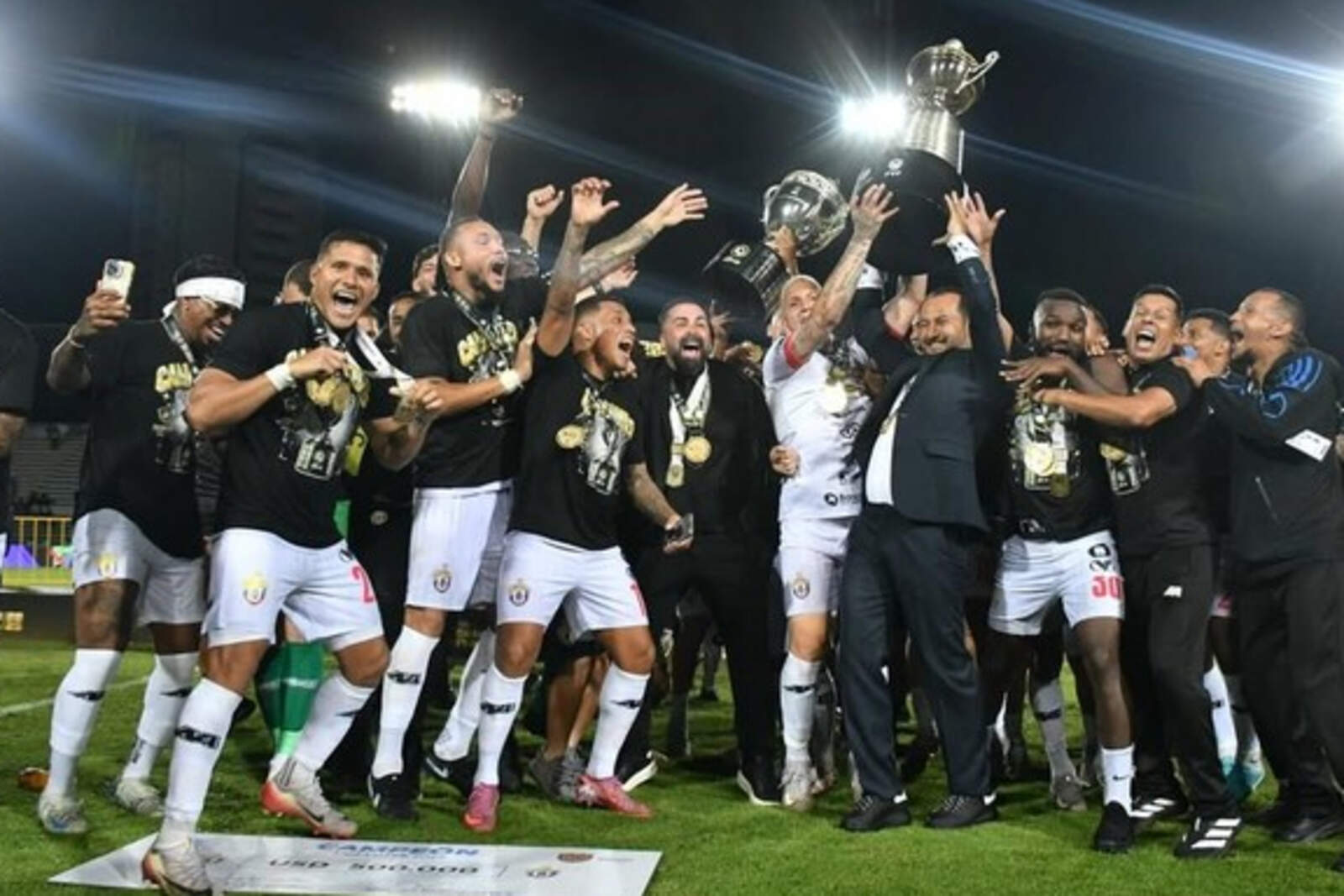
That refereeing decision quickly took on another dimension. Two days later, Herrera's vehicle was found completely burned in front of his home. Although the investigation has not yet determined responsibility, the version that has gained traction in the environment points to a message linked to that red card.
What fuels these suspicions is the profile of Alexander Granko Arteaga, president of UCV and a political figure in Venezuela. Lieutenant Colonel of the Bolivarian National Guard and head of the Directorate of Special Affairs of the DGCIM (an agency sanctioned by the United States), he has been accused by multiple international reports of human rights violations, where he is described as a "torturer." In the orbit of Nicolás Maduro, he is described as one of the regime's most trusted men and a direct executor of its repressive apparatus.