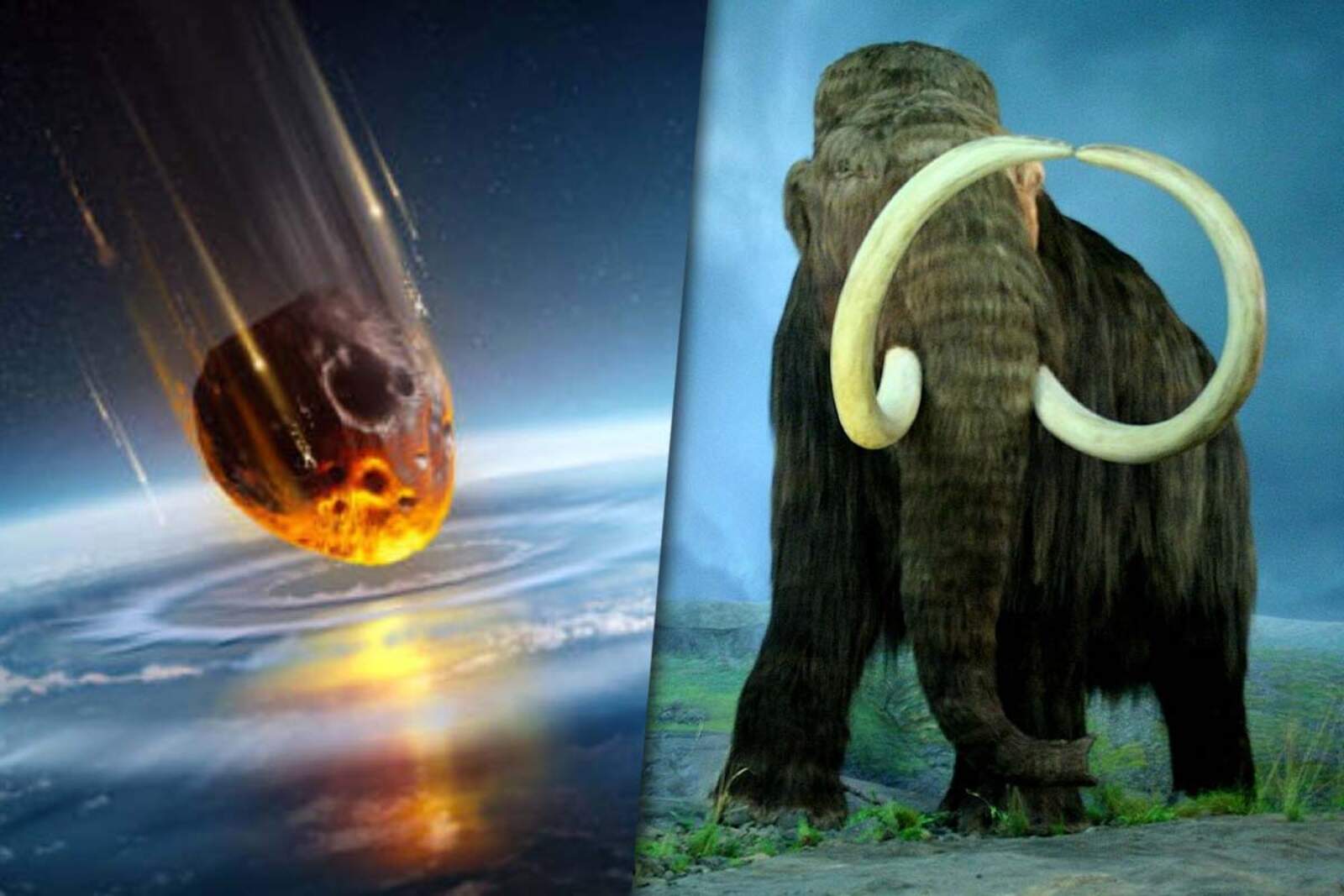
An international team of scientists supports the hypothesis that a comet exploded over North America about 12,800 years ago. This event would have caused an abrupt cooling of the climate and led to the extinction of the megafauna, including the woolly mammoth.
The study, published in PLOS One, found shocked quartz in archaeological sites, evidence that is only observed in impact craters or nuclear explosions.
Este evento habría generado un enfriamiento abrupto del clima
Evidence in the Younger Dryas layer
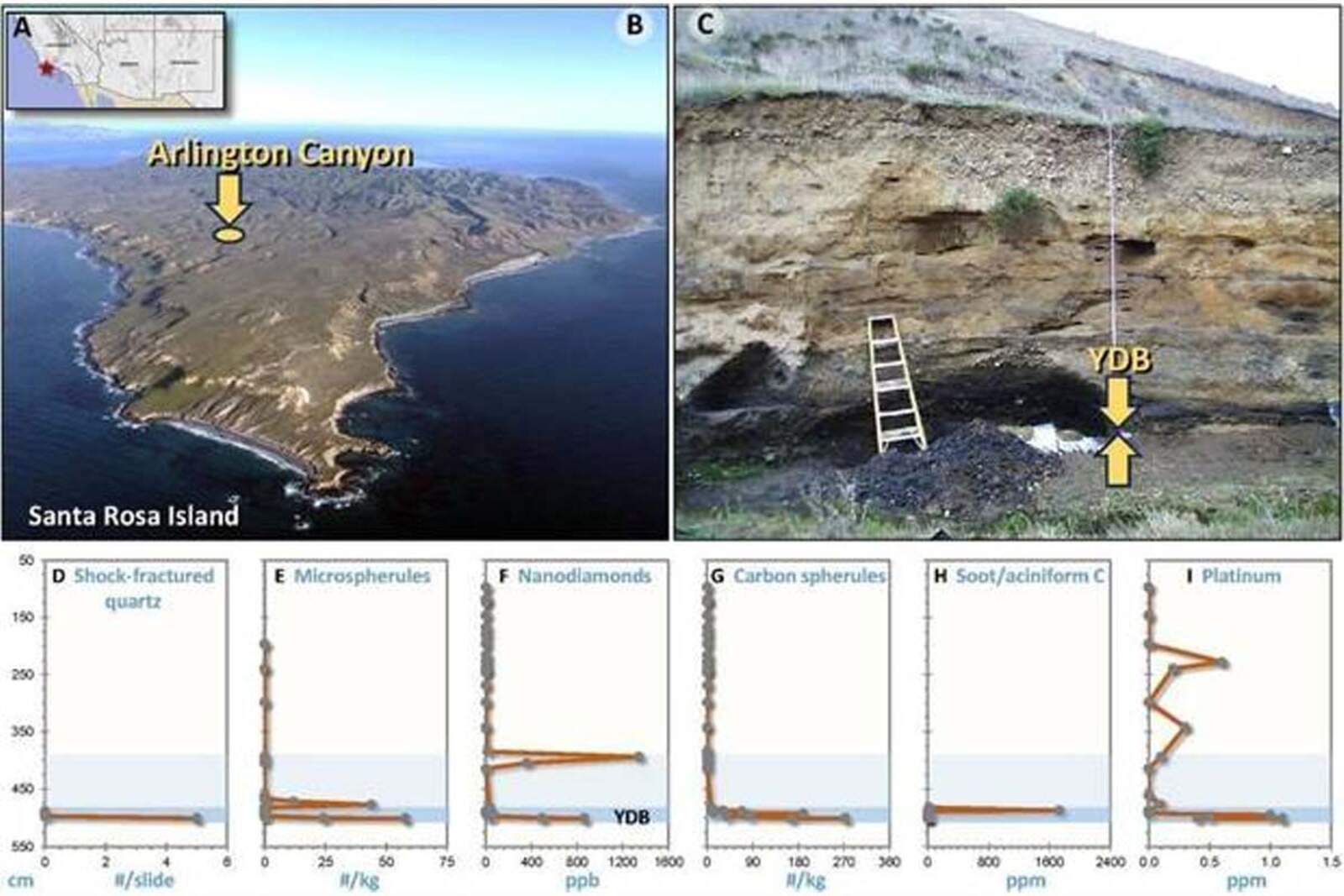
The researchers found anomalous concentrations of platinum, microspherules, nanodiamonds and melted glass, all indicators of a cosmic event. According to Kennett, these elements are difficult to explain by natural fires or conventional geological processes.
The findings were located at sites such as Murray Springs (Arizona), Blackwater Draw (New Mexico) and Arlington Canyon (California), consolidating the evidence of the cosmic impact during the Younger Dryas.
Scientific controversy
The impact hypothesis remains debated, since an associated crater has not yet been identified. Critics point out that abrupt climate changes have occurred in other periods without the intervention of celestial bodies.
Evidencias en la capa del Younger Dryas
James Kennett's team proposes that it could have been a shower of cometary fragments that exploded in the atmosphere without leaving a single crater.
Historical impact
If confirmed, this event would rewrite part of the history of the last glaciation and the peopling of America. The Younger Dryas lasted about 1,200 years and forced human groups to radically adapt in order to survive.