An experimental therapy made it possible to reduce toxic proteins and reverse cognitive decline in mice
Nuevo
Agregar La Derecha Diario en
Compartir:
An international team of specialists achieved very encouraging results in Alzheimer's research. They applied a therapy based on nanoparticles that allowed them to reverse cognitive damage in mice.
The findings open a new possibility for the future treatment of this neurodegenerative disease. It is still in the experimental stage and has not been tested in humans.
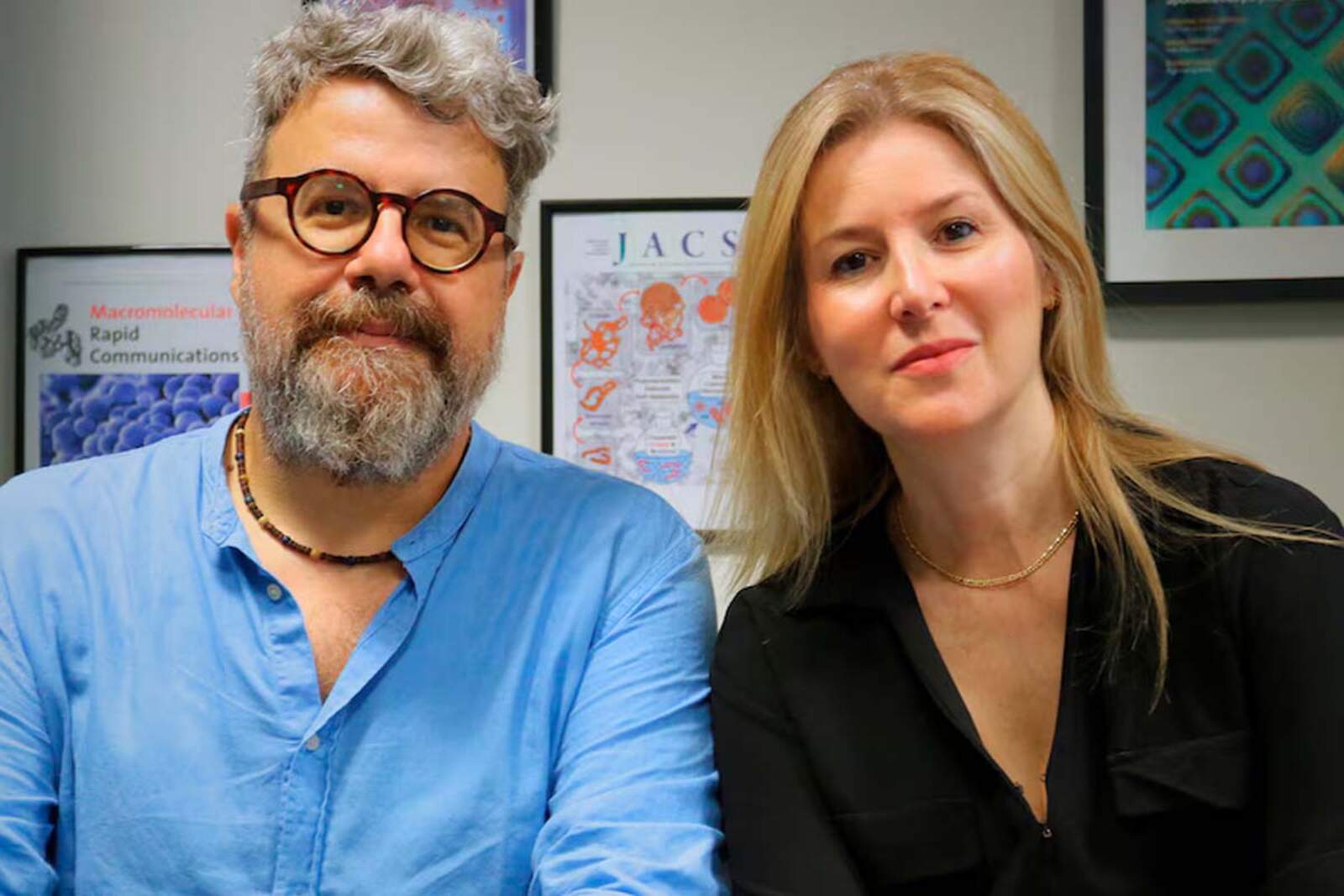
Giuseppe Battaglia y Lorena Ruiz Pérez (IBEC)
A strategy targeting the blood-brain barrier
The study was led by scientists from the Institute for Bioengineering of Catalonia (IBEC) and was published in the journal Signal Transduction and Targeted Therapy. The key to the approach was to restore the function of the blood-brain barrier (BBB), which protects the brain from external agents.
By repairing this critical interface, the experts enabled the body to eliminate toxic proteins associated with Alzheimer's and recover affected brain processes.
How does nanoparticle therapy work?
These nanoparticles act as supramolecular drugs that mimic the function of a protein responsible for transporting waste out of the brain. This way, they facilitate the elimination of amyloid-β (Aβ), whose accumulation causes neuronal damage.
Los especialistas probaron el tratamiento en ratones genéticamente modificados para desarrollar Alzheimer
What is novel is that they do not function as simple drug carriers. They act as autonomous therapeutic agents capable of activating natural cleaning mechanisms of the nervous system.
Results that surprised the researchers
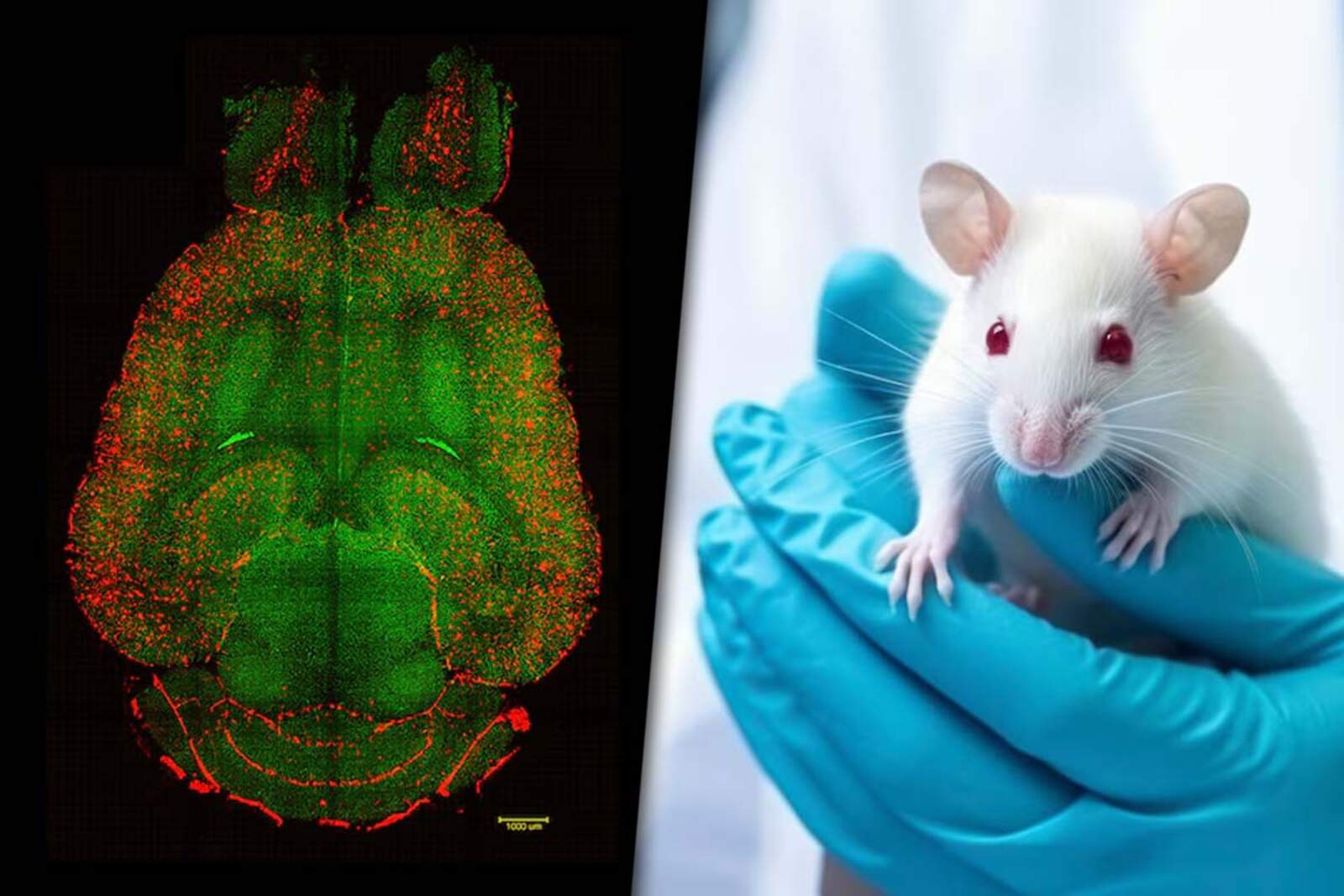
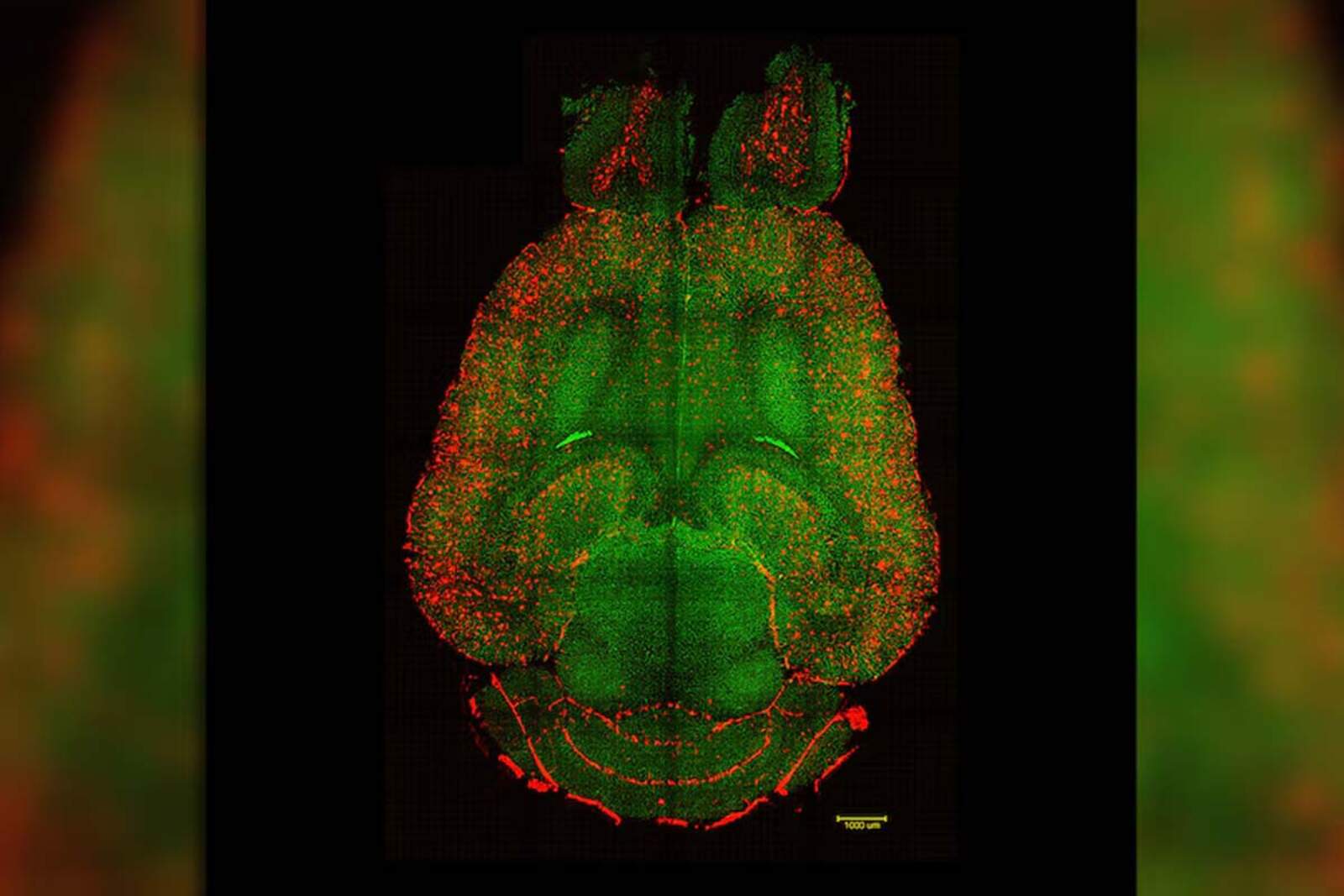
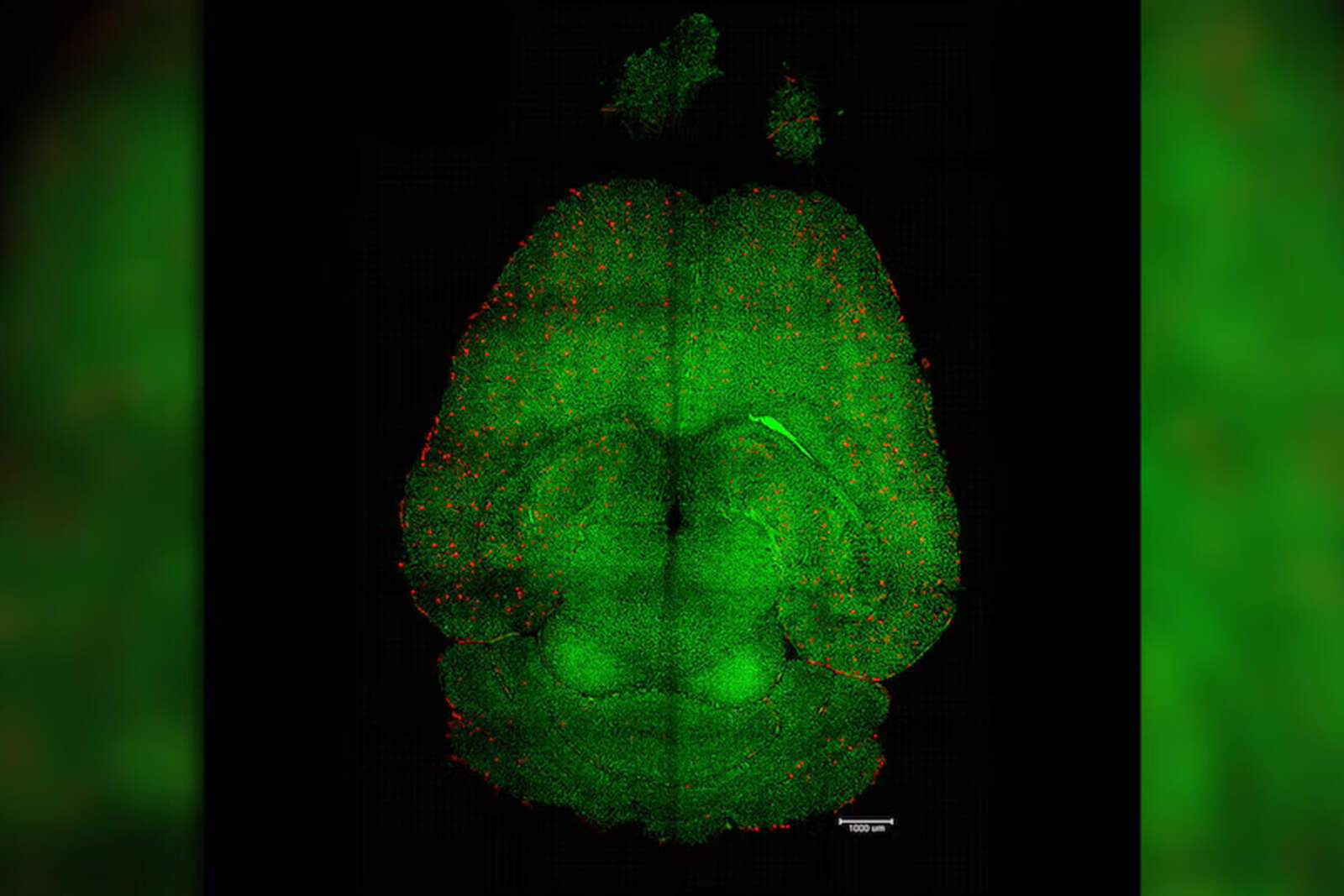
The specialists tested the treatment in genetically modified mice to develop Alzheimer's. After only three doses, they observed a 50-60% reduction in the toxic protein within one hour.
Tras solo tres dosis, observaron una reducción del 50-60% de la proteína tóxica
In addition, they recorded a complete cognitive recovery in animals that already showed advanced deterioration. Even mice of an "age" equivalent to 90 human years behaved like young specimens again.
What's next: from the laboratory to the clinic
The study also confirmed the safety of the treatment and the restoration of cerebral vasculature, a key aspect in the progression of Alzheimer's.
The researchers warned that there is still a long way to go before starting trials in humans. Nevertheless, they emphasize that this is a very promising therapeutic avenue.