With 69 votes in favor and only 3 against, the upper chamber approved the pact that had been under debate for 26 years
Nuevo
Agregar La Derecha Diario en
Compartir:
The Argentine Senate ratified this Thursday the trade agreement between Mercosur and the European Union, turning it into law after two and a half decades of negotiations.
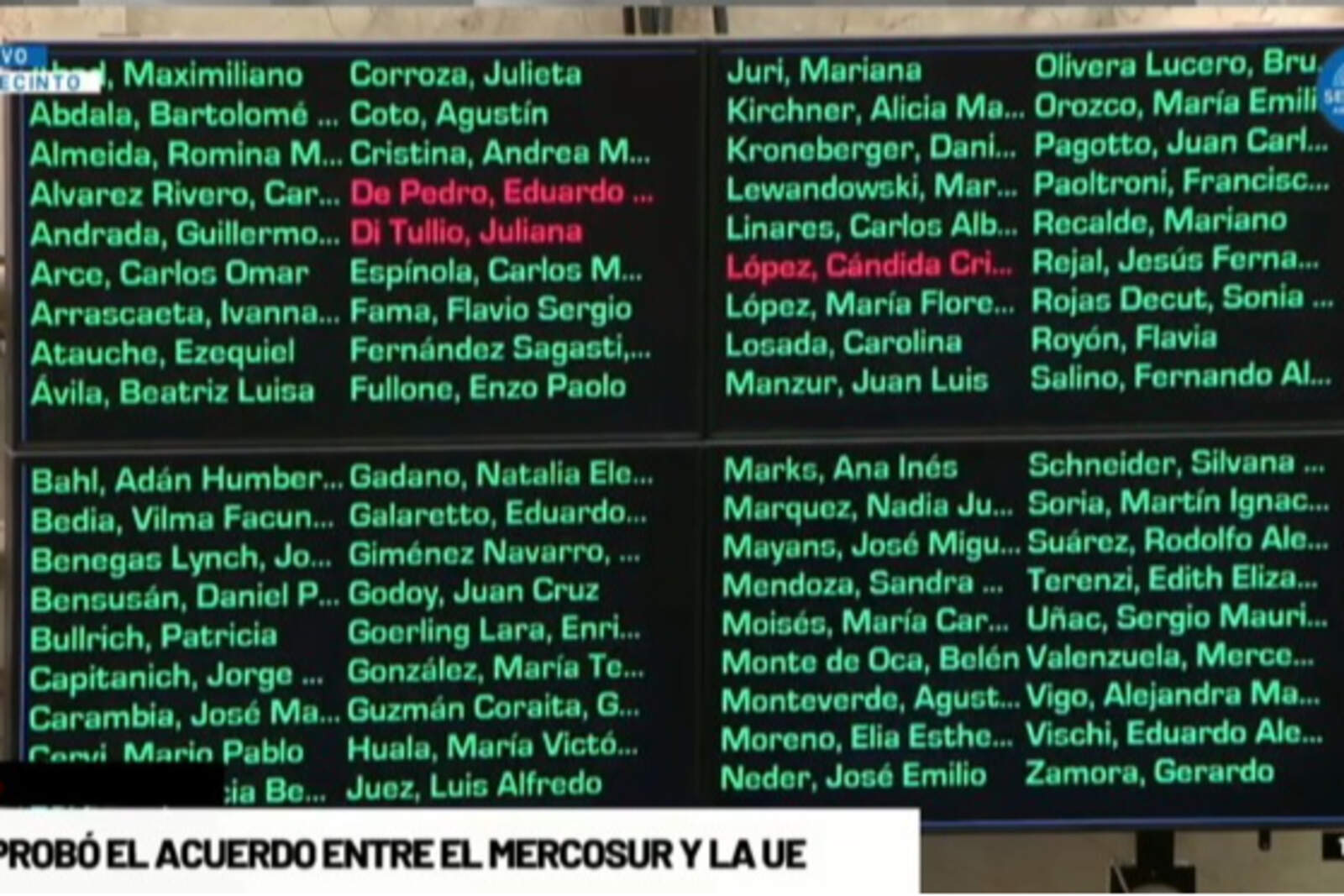
With 69 votes in favor and only 3 against, the upper house approved the pact that had been under debate for 26 years and that now positions Argentina as one of the first countries to formalize its parliamentary adherence to the economic agreement.
The treaty links the Mercosur bloc, made up of Argentina, Brazil, Paraguay, and Uruguay, with the European Union. It is a strategic association and free trade agreement signed at the beginning of 2026, after 25 years of uninterrupted negotiations.
El voto de los senadores.
The understanding connects a market of more than 700 million people and eliminates tariffs for more than 90% of the goods traded between both blocs.
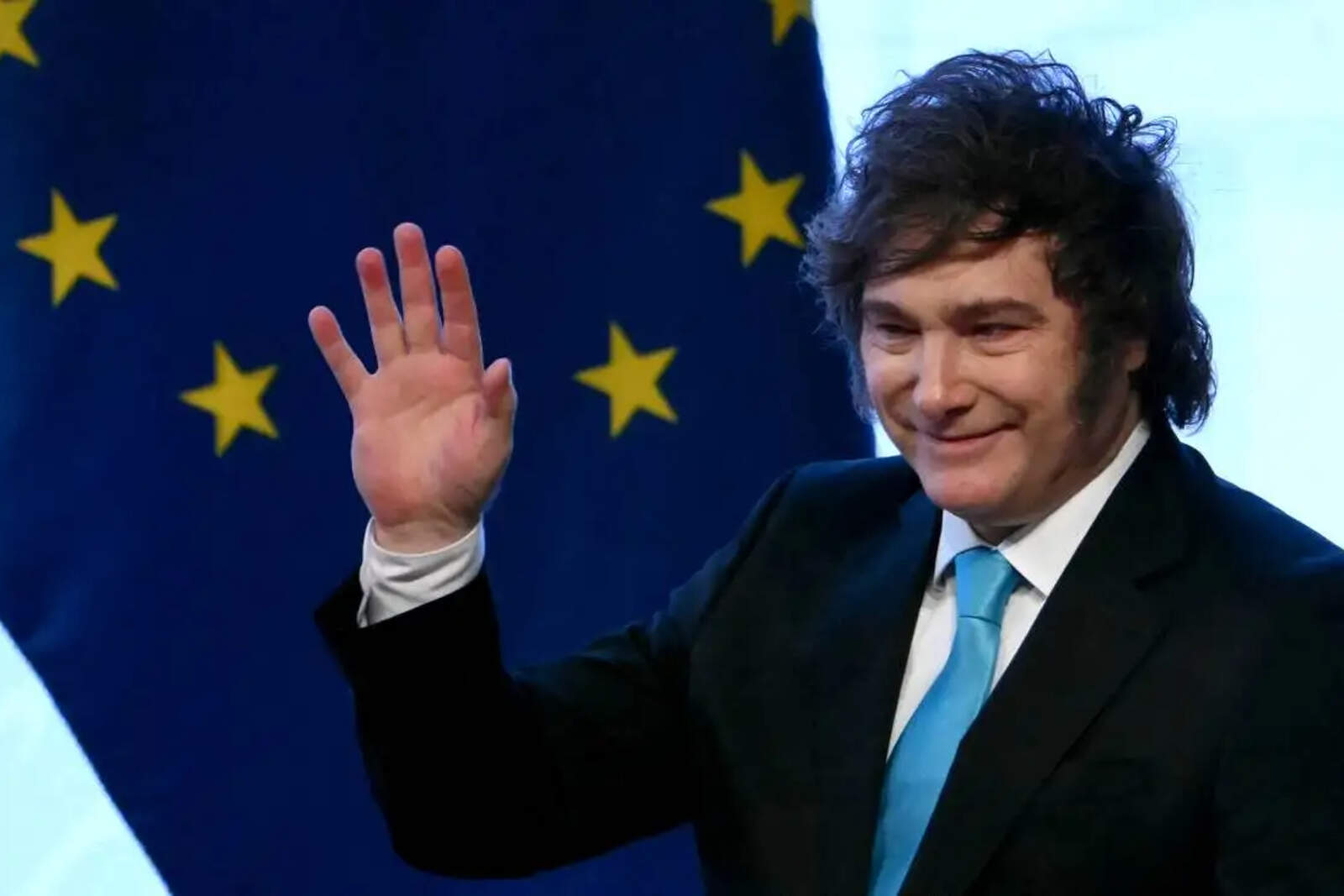
During the debate in the Senate, the libertarian ruling party tried to speed up the vote after learning that the Uruguayan Parliament is also moving forward with the consideration of the agreement. The intention was to fulfill President Javier Milei's request that Argentina be the first country in the region to approve it.
In that context, and taking advantage of the consensus with Peronism to secure the votes, the ruling party promoted a maneuver to vote in the middle of the list of speakers and then continue with the presentations.
El aprobó el acuerdo Mercosur-Unión Europea.
However, the proposal caused a strong clash with Kirchnerism in the chamber, which rejected the proposal and ultimately led to Uruguay becoming the first country to approve the trade agreement between Mercosur and the European Union.
Beyond the symbolic race, the approval by a wide majority consolidates a key step for the country's international integration. The agreement not only reduces tariffs and expands markets, but also establishes a long-term framework of political and economic cooperation between two blocs that together represent one of the largest trading areas in the world.
With the Senate's passage, Argentina formalizes its adherence to a treaty that redefines its foreign trade framework and that, after 26 years of negotiations, finally becomes law under Milei's government.