








The opposition led by Kirchnerism managed to confirm the rejection of the president's vetoes in both chambers
Nuevo
Agregar La Derecha Diario en
Compartir:
The National Senate rejected President Javier Milei's vetoes of the University Funding and "Pediatric Emergency" laws. Both initiatives were promoted by Kirchnerism and its allies with the aim of increasing public spending and undermining fiscal balance.
The session, which lasted several hours, ended with the opposition's victory in a vote that nullifies the presidential vetoes. Previously, the Chamber of Deputies had already given preliminary approval to the rejection, with the support of opposition blocs that act in a coordinated manner against the austerity and fiscal consolidation program led by the president.
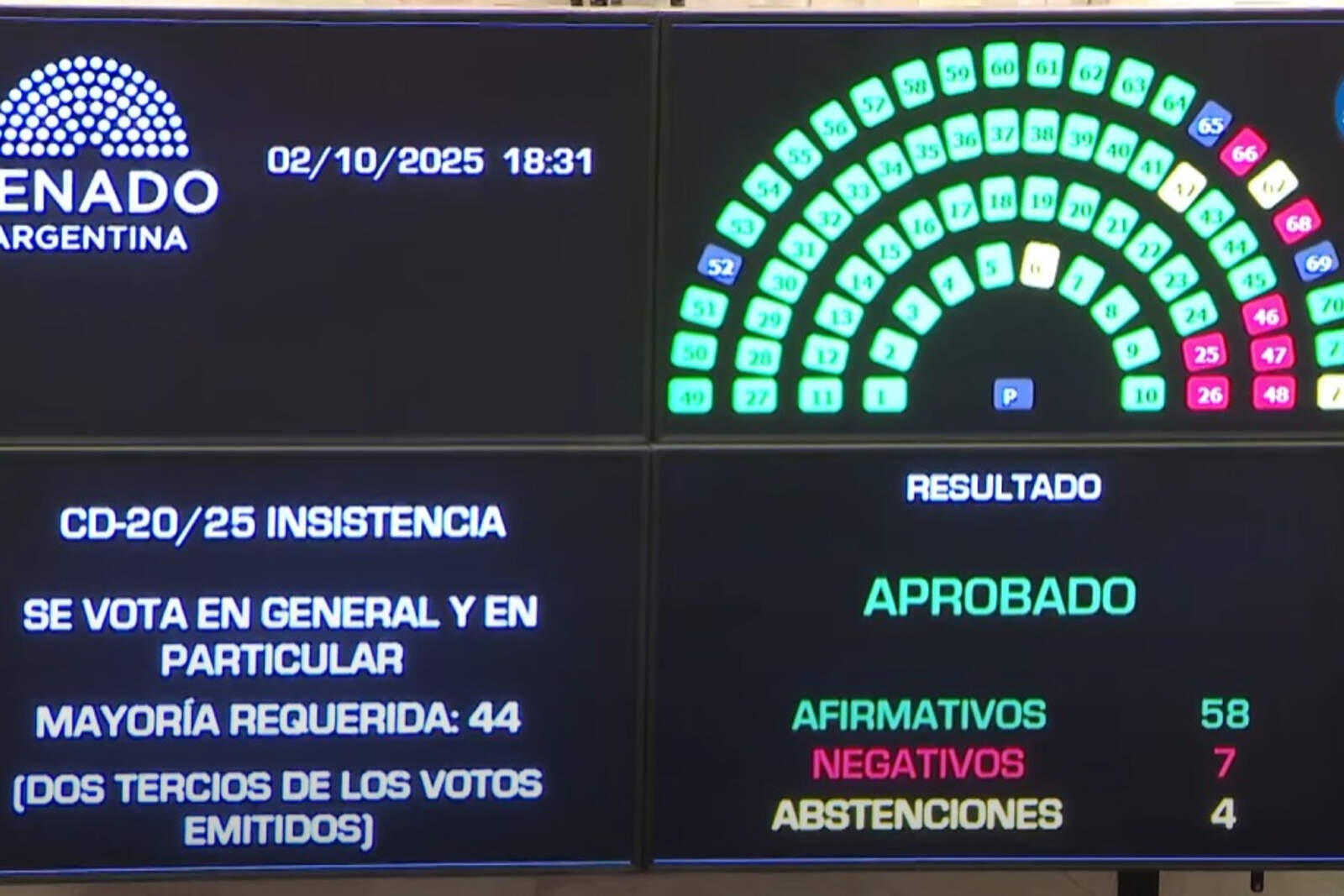
Resultado de la votación contra el veto presidencial a la Ley de Financiamiento Universitario.
In the case of the "pediatric emergency," the opposition secured 181 affirmative votes in the Chamber of Deputies, against 60 negative votes and one abstention. The scenario was very similar in university funding: 174 affirmative votes, 67 negative votes, and 2 abstentions. With the ratification in the Senate, the laws were enacted, despite the Executive's warnings about their deficit and destabilizing nature.
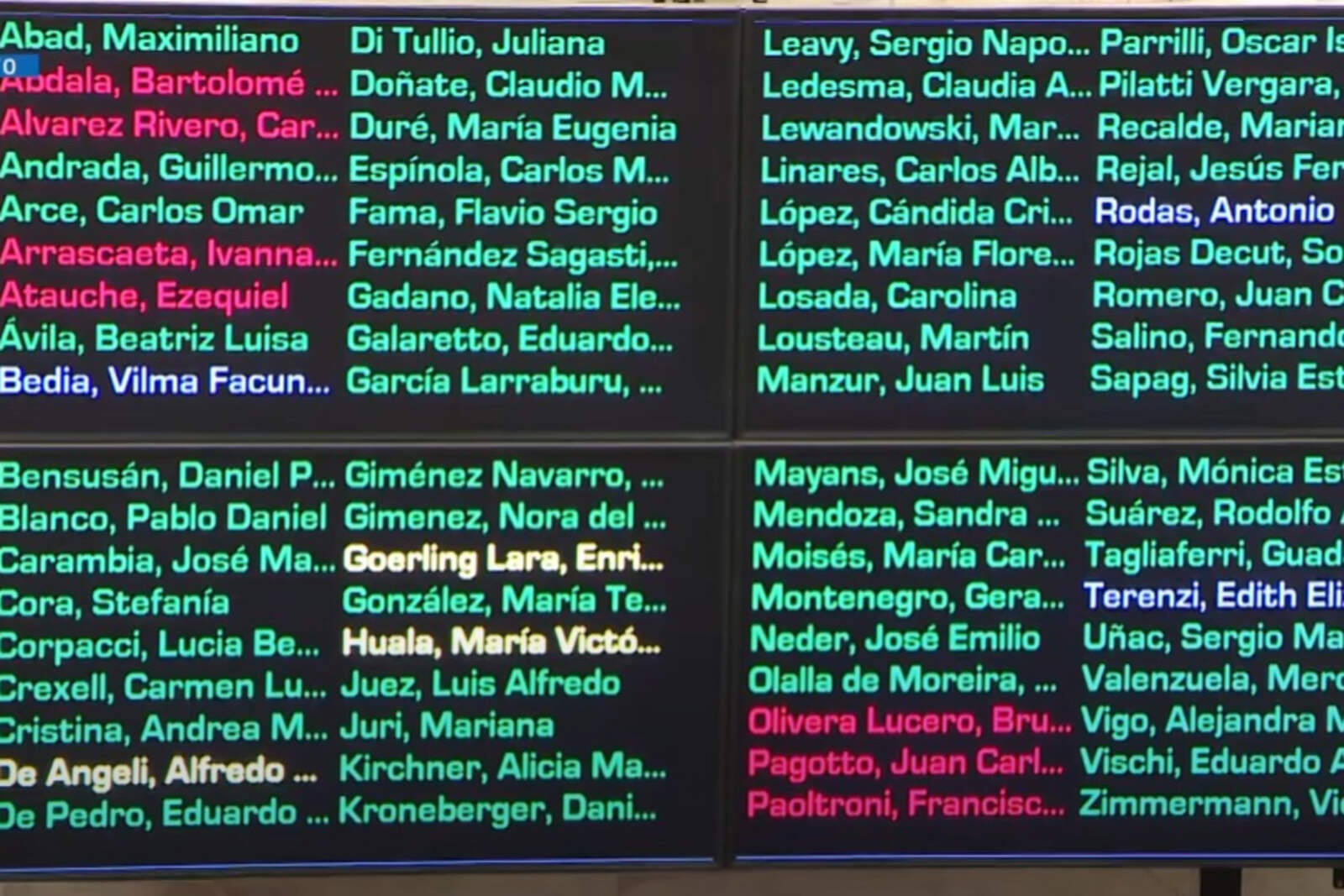
In the case of the upper house, the "pediatric emergency" was insisted upon with 59 affirmative votes, 7 negative votes, and 3 abstentions out of a total of 72 senators. Meanwhile, the insistence on the deficit-ridden "University Funding Law" was approved with almost identical results: 58 affirmative votes, 7 negative votes, and 4 abstentions.
Lista de senadores que votaron a favor de resistir el veto presidencial en la "Emergenica Pediatrica".
Attacks on the surplus
The Casa Rosada has emphasized that these measures do not respond to real needs, but rather to a strategy against the national administration. In the case of Garrahan Hospital, the epicenter of the "Pediatric Emergency" initiative, the allocated budget has increased by 247% since December 2023, that is, 124 points above accumulated inflation. In addition, the doctors at that center received a 63% salary increase in 2024, showing that pediatric care has already been strengthened.
Regarding the university system, OECD reports revealed that Argentina already allocates a level of spending on higher education comparable to or even higher than G20 countries such as Japan, Israel, or Ireland. Argentine university funding is above the international average, which exposes the political background of the Kirchnerist maneuver.
An opposition in regime-change mode
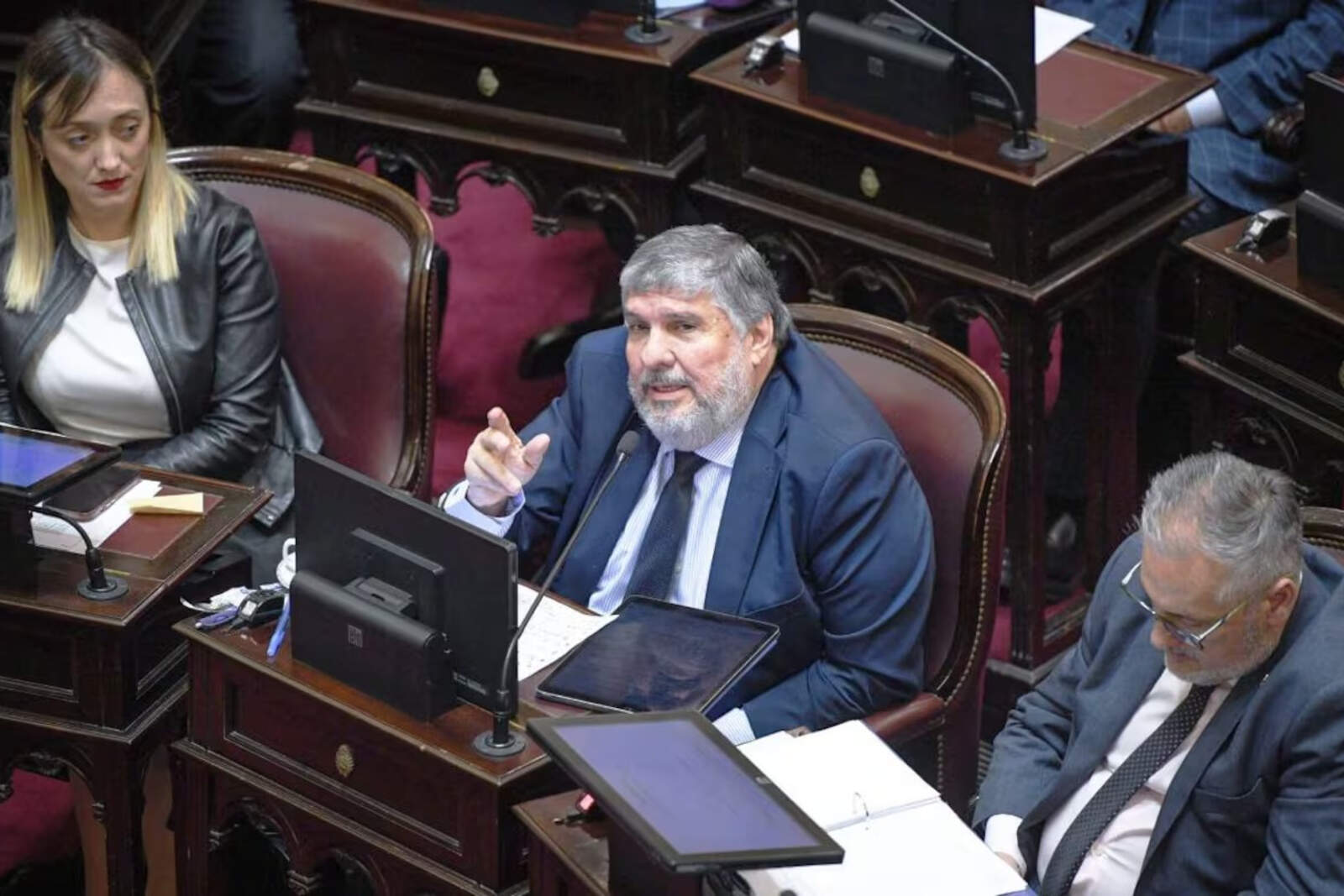
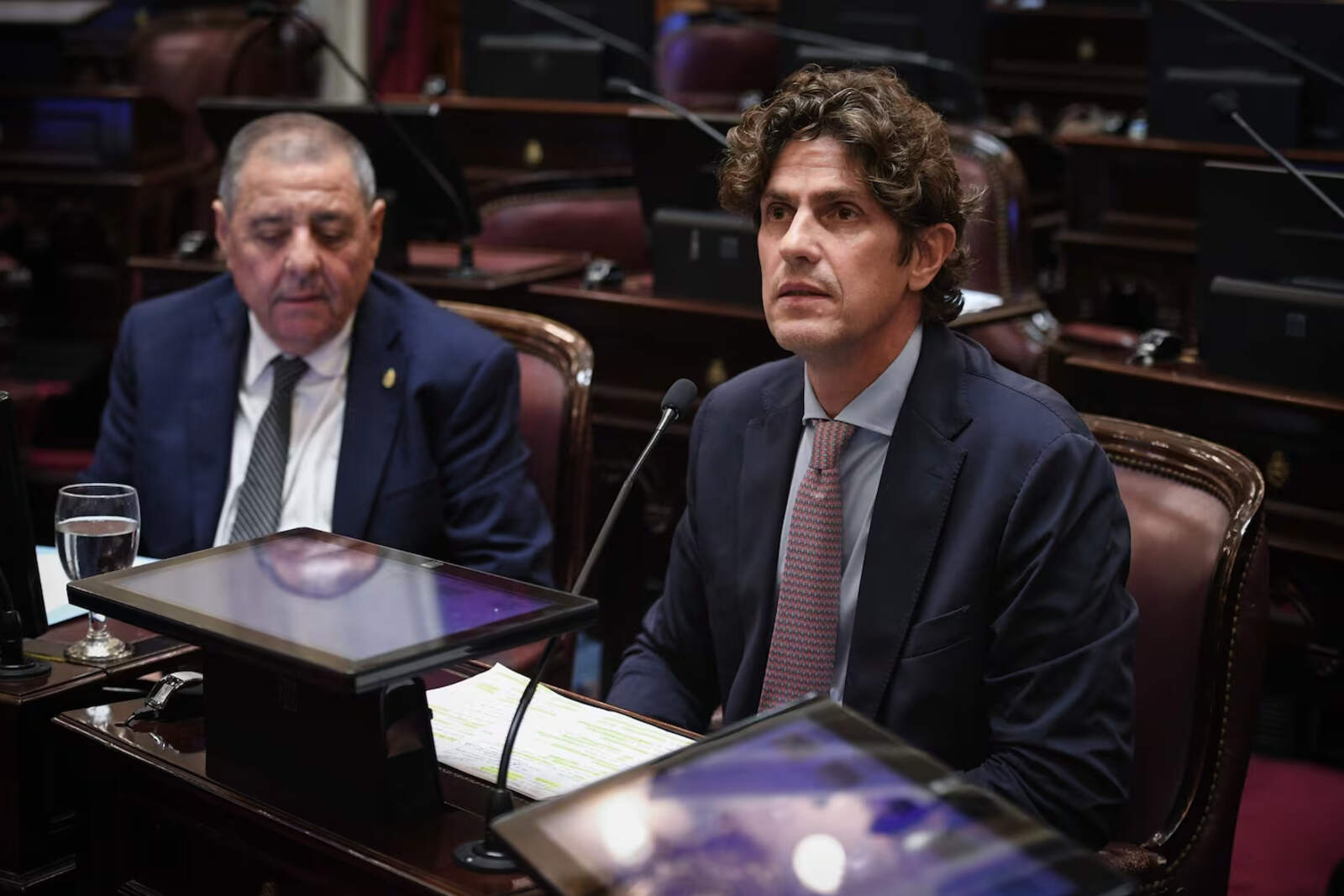
Martin Lousteau, lider de la UCR y autor de la 125.
The rejection of the vetoes, in a pre-electoral climate, confirms that Kirchnerism and its partners consider destabilization and the erosion of governability as an electoral tool. Meanwhile, as the executive strives to consolidate the fiscal surplus and restore stability to the Argentine economy, the opposition advances with laws that artificially increase spending and force the State to finance unnecessary budget items.
Analysts point out that this type of move is reminiscent of Kirchnerism's classic modus operandi: establishing "emergency" narratives to justify uncontrolled issuance, disordering public accounts, and constraining the Executive.